
Understanding Margin in Forex Trading in Kenya
📈 Learn how margin works in forex trading with clear examples for Kenyan traders, covering leverage, margin requirements, and risk management tips for smarter trades.
Edited By
Thomas Bradley
When you step into forex trading in Kenya, one of the first things you'll notice is the concept of spreads. At its core, the spread is the difference between the buying price (bid) and selling price (ask) of a currency pair. This gap isn’t just a small detail — it directly impacts your trading costs and ultimately your profits.
Imagine you want to trade the USD/KES pair. If the bid price is 110.20 and the ask price is 110.25, the spread is 0.05 KSh. This may seem tiny, but every trade you open or close carries this cost, which accumulates over time, especially if you trade frequently.
Spreads come in two main types:
Fixed spreads: These stay the same regardless of market conditions. You might see a fixed spread of 2 pips on EUR/USD, for example. This helps you predict costs but can be higher during stable times.
Variable (or floating) spreads: These change with market volatility and liquidity. In active market hours, spreads might shrink, but during off-hours or news events, they can widen drastically.
Knowing how spreads behave is key, especially with Kenyan shilling pairs where liquidity isn’t as deep as global majors. Brokers often apply wider spreads on KES pairs, so picking an account type with tighter spreads can save you KSh thousands in trading fees annually.
Understanding forex spreads helps you:
Estimate your entry and exit costs better.
Choose brokers and accounts that match your trading frequency and style.
Manage risk more effectively, especially during major economic events.
Next, we’ll discuss factors that influence spreads and how to select trading accounts with more favourable rates to keep your costs low.
Understanding spreads is essential for anyone looking to trade forex effectively, especially in the Kenyan market where every shilling counts. The spread reflects the difference between the price at which you can buy a currency and the price at which you can sell it. This difference directly influences your trading costs and potential profits.
In forex trading, prices come in pairs – the bid and the ask. The bid price is what buyers are willing to pay for a currency, while the ask price is what sellers want. The spread is the gap between these two. For example, if the EUR/USD pair has a bid price of 1.1000 and an ask price of 1.1003, the spread is 0.0003 or 3 pips. This difference exists because brokers need compensation for facilitating trades.
Spreads can be seen as the fee for opening a trade, even if a broker doesn’t charge a direct commission. When you enter a trade, you effectively start with a small loss equal to the spread since the buy price is higher than the sell price. If the spread widens due to market conditions, your costs increase. For instance, during Kenyan market hours, spreads may tighten on popular pairs like USD/KES, lowering trading costs. However, exotic or less-liquid pairs tend to have wider spreads, increasing costs.
Spreads affect profitability straight away. A narrow spread means less cost and more chance for gains, especially for traders who enter and exit quickly, like scalpers. For example, a scalper trading EUR/USD with a 1-pip spread stands to make more quick wins than one facing a 5-pip spread. Even long-term traders must consider spreads since they add up over many trades and can eat into net profits.
Spreads influence when and how traders enter or exit the market. A wide spread means you need the price to move further before you start making a profit. Suppose you enter a trade on USD/JPY with a 10-pip spread; the price must rise an additional 10 pips beyond your entry level to break even. This affects timing decisions and can discourage trading during volatile periods when spreads widen. Kenyan traders often watch market hours closely to trade when spreads are smallest, such as during overlap of London and New York sessions.
Managing spreads wisely can help Kenyan forex traders reduce costs and improve their overall trading strategy.
By grasping the basics of spreads – how they work and why they matter – traders position themselves to make smarter trade choices and better manage expenses in the dynamic forex market.
Understanding the different types of spreads is key to managing trading costs in forex. The spread represents the gap between the buying (ask) and selling (bid) prices of a currency pair. Brokers offer either fixed or floating spreads, each with unique features that affect trading strategies and expenses. Kenyan traders should grasp how these spreads behave to pick options that match their risk appetite and market conditions.
Fixed spreads remain constant regardless of market conditions. For example, a broker might charge a flat spread of 2 pips on the USD/KES pair throughout the trading day. This consistency helps traders forecast their transaction costs accurately, an advantage especially for those just starting out or trading on tight budgets.
Fixed spreads are often preferred during less volatile periods or when trading currency pairs with low liquidity, such as exotic pairs including the KES against other African currencies. However, brokers may widen these fixed spreads during major economic events to shield themselves from sharp market moves.
Traders aiming for predictability typically favour fixed spreads. This is useful for those using trading robots or scalping strategies which require precise cost calculations. Since fixed spreads don’t fluctuate, there’s less chance of sudden cost surprises.
In Kenya, a trader focusing on the USD/KES pair might choose fixed spreads to avoid unexpected spread widening during local trading hours when liquidity is thinner. It provides peace of mind, especially in markets prone to rapid price shifts.
Floating spreads, also known as variable spreads, change based on market liquidity and volatility. During quiet market hours, spreads tend to narrow — sometimes as low as 0.5 pips for major pairs like EUR/USD. However, during active periods or economic announcements, spreads can widen significantly.
For instance, USD/UGX or KES/NGN pairs might exhibit tighter spreads when African markets are open, then widen sharply during off-peak hours or political instability. This behaviour reflects how supply and demand impact the bid-ask gap in real time.
Floating spreads often offer lower costs during stable periods, making them attractive for day traders and those with flexible strategies. They reflect true market conditions and allow traders to benefit from favourable liquidity.
However, the risk lies in unpredictability. Sudden news or crises can cause spreads to widen unexpectedly, increasing trading costs or triggering stop-losses prematurely. Therefore, traders must be cautious and perhaps avoid big orders during high volatility if using brokers with floating spreads.
Choosing between fixed and floating spreads depends on your trading style and tolerance for cost surprises. For Kenyan traders, understanding this can sharpen decision-making and protect profits.
In summary, both fixed and floating spreads have their places in forex trading. Fixed spreads offer cost stability but may be more expensive during quiet markets. Floating spreads offer potential savings but come with volatility risk. Knowing when and how to trade with each can improve your overall forex experience.
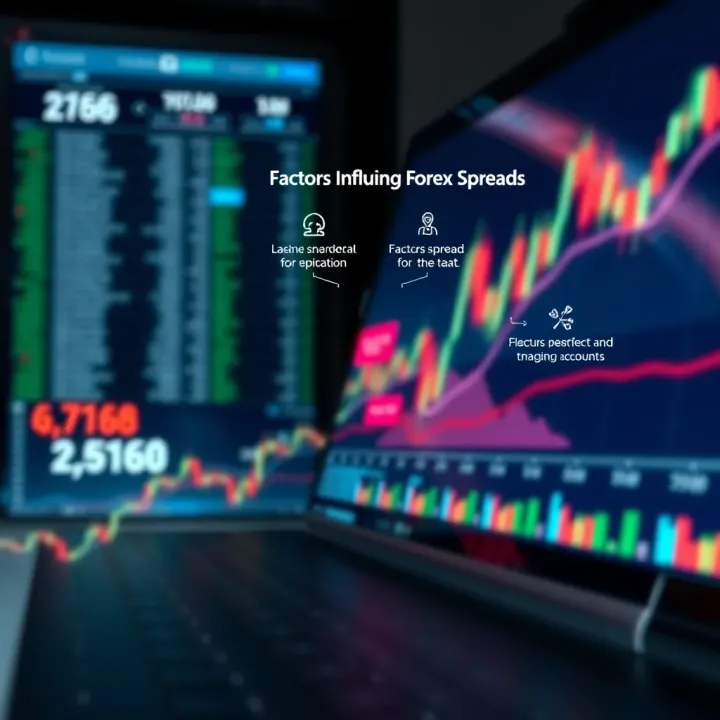
Several elements influence the size and behaviour of spreads in forex trading. Understanding these factors helps traders make better decisions, avoid unexpected costs, and select brokers or times that favour tighter spreads. This section breaks down the main forces affecting spreads.
Liquidity in forex markets means how easily currency can be bought or sold without causing large price changes. When liquidity is high, spreads tend to be narrower because many buyers and sellers compete for trades. Conversely, low liquidity widens spreads as market makers try to cover risks from fewer participants.
Major currency pairs like USD/KES or EUR/USD usually have high liquidity thanks to immense daily volumes. These pairs often offer some of the tightest spreads available, which benefits traders by lowering entry and exit costs. On the other hand, exotic pairs such as USD/ZAR or KES/UGX generally experience lower liquidity, leading to wider spreads and sometimes unpredictable costs, especially during off-peak hours.
Broader broker policies directly impact spreads. Some brokers bundle their fees into the spread itself, marking it slightly wider to cover commissions and operation costs. This means you might not pay separate commissions but see a bigger spread instead. Other brokers offer raw spreads but charge explicit commissions, which can sometimes be cheaper for active traders.
Technology also plays a key role. Platforms that execute trades quickly and reliably help keep spreads consistent. For example, brokers using advanced execution engines reduce latency and slippage, which otherwise can widen the effective spread you pay. A Kenyan trader using a fast platform like MetaTrader 5 or cTrader will often see better spreads than one on a slower or less efficient system.
Market volatility spikes naturally widen spreads. Especially during major economic releases like Central Bank of Kenya rate decisions or US Non-Farm Payrolls, brokers often widen spreads to manage risk. The sudden bursts of trading interest and rapid price changes make liquidity scarce, so wider spreads protect brokers from losses.
Managing spreads in such volatile conditions requires awareness and strategy. Traders should use economic calendars to anticipate these events and consider holding positions before or after to avoid unexpected wide spreads. Some also switch to more liquid pairs or delay trades until the market stabilises, limiting cost impact during such periods.
Keeping an eye on these factors helps you estimate likely trading costs and adapt your approach accordingly. By understanding what drives spreads, Kenyan traders can reduce surprises and trade more confidently.
Managing spreads effectively can make a big difference in your forex trading results. Spreads directly affect your cost of trading and hence your profitability, so knowing how to choose brokers, time your trades, and use smart techniques can lower your trading costs. For Kenyan traders, this advice helps avoid unnecessary losses and improves chances of success in a competitive market.
When picking a broker, it’s important to check their spreads closely. Some brokers offer fixed spreads, while others have floating spreads that vary with market liquidity. For example, a broker might offer a typical spread of 1.5 pips on the USD/KES pair, while another might list 2.0 pips. Comparing these numbers across popular platforms like HotForex, FXPesa or Exness Kenya gives you an idea of who offers more cost-effective trading. Remember, tighter spreads save you money especially if you trade frequently.
A broker with clear, upfront information about spreads and any extra fees helps you manage your costs better. Some brokers bundle commissions within spreads, while others charge them separately. Knowing which one you’re dealing with ensures you won’t face surprises later. For instance, if a broker advertises low spreads but charges high commission fees, your overall cost might be higher than expected. Transparency also signals reliability, which is valued in Kenya’s growing forex community.
Spreads tend to shrink during the busiest market hours when liquidity is highest. For forex pairs linked to the US or Europe, this usually means from 3 pm to 11 pm Nairobi time. Trading during these hours can help you get better rates and reduce costs. For Kenyan shilling pairs, local market hours might shift the best times to slightly earlier or later depending on market activity.
Economic news events often cause spreads to widen sharply due to increased volatility and uncertainty. Consulting an economic calendar helps you avoid these spikes by planning trades away from major releases like US Non-Farm Payrolls or Central Bank announcements. For example, if Kenya’s Central Bank Monetary Policy Statement is due, spreads on KES pairs may spike for a few hours, so it’s wise to pause trading during that time.
Trading pairs with high liquidity generally comes with tighter spreads. Major currencies like USD, EUR, and JPY tend to have lower costs than exotic pairs involving less popular currencies. In Kenya, currency pairs like USD/KES and EUR/USD offer more reliable spreads compared to more obscure combinations. Concentrating on these pairs can reduce your overall trading costs.
Careful trade sizing helps manage the cost effect of spreads on profits. Opening multiple small positions might rack up several spread costs, whereas fewer, well-sized trades reduce this expense. Planning entry and exit points strategically to avoid whipsaws where spreads widen can also preserve your gains. For instance, avoiding market entry right before weekends or public holidays can prevent costly spread hikes.
Managing and choosing spreads is a straightforward but often overlooked way to improve your trading edge. Kenyan traders who pay attention to brokers’ spreads, pick the right trading times, and apply smart techniques will keep more of their profits in hand.
📈 Learn how margin works in forex trading with clear examples for Kenyan traders, covering leverage, margin requirements, and risk management tips for smarter trades.

📊 Understand forex spread, how it impacts trading costs in Kenya, factors influencing its size, and top tips to manage spreads for better trading success.
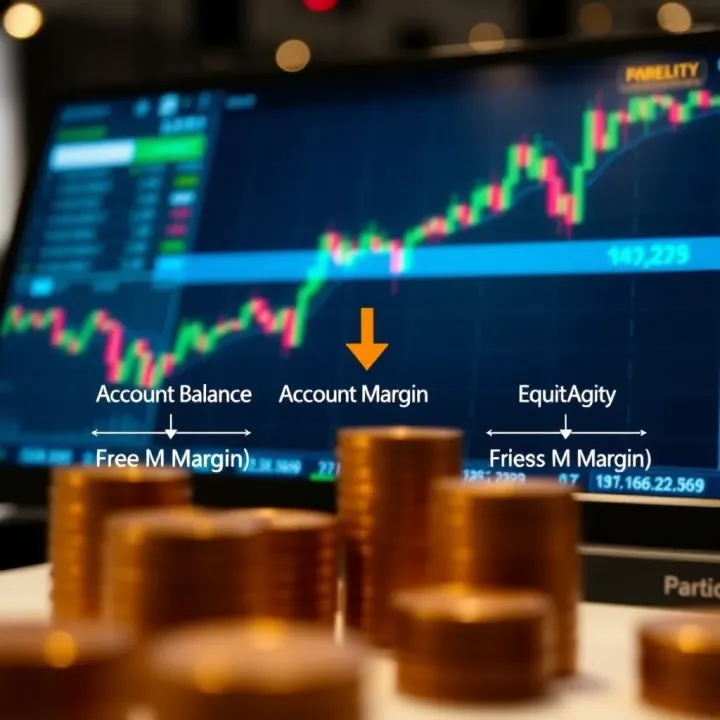
📊 Learn how free margin in forex affects your account balance, equity, and risk. Calculate it right to trade smart and protect your KSh investments effectively.

💱 Learn forex trading basics, broker tips, regulation, and fund management tailored for Kenyan traders. Navigate currency markets confidently and safely with practical insights.
Based on 8 reviews