
Understanding Derivative Trading in Kenya
Explore the essentials of derivative trading in Kenya 📈. Learn types, benefits, risks, key strategies, and local regulations to make informed investment decisions.
Edited By
Charlotte Whitmore
Understanding free margin is essential for anyone trading forex, as it directly influences your ability to open new trades and manage risk effectively. Free margin represents the amount of money in your trading account that is available to open additional positions or maintain existing ones without facing a margin call.
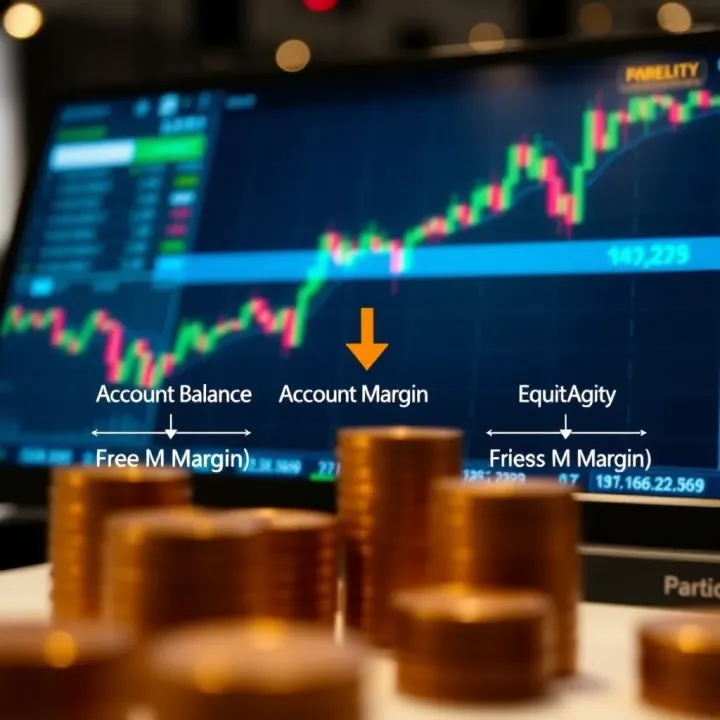
At its simplest, free margin is the difference between your equity — the current total value of your account including unrealised profits or losses — and the margin your broker requires to keep your open trades running. For example, if you have KSh 100,000 in equity and your open positions use KSh 30,000 as margin, your free margin would be KSh 70,000.
Why does this matter? Because without enough free margin, you won’t be able to open new trades or might even face forced closures of your active positions. Brokers monitor free margin closely, and if it falls below zero, they may start closing your trades to prevent losses from exceeding your account balance.
Free margin acts like a buffer, ensuring you can weather market fluctuations without being forced out of trades prematurely.
Here are some key points to understand about free margin:
Equity fluctuates constantly with prices of open positions; profit increases equity, while losses reduce it.
Margin used is fixed per open trade, calculated at the time of opening based on the broker’s leverage and position size.
Free margin is available margin, which you can use to open new trades or keep current ones open.
To calculate free margin:
text Free Margin = Equity – Margin Used
For example, say you start with KSh 150,000 in your account and open a trade requiring KSh 20,000 margin. If the trade gains KSh 10,000 in value, your equity rises to KSh 160,000, and free margin becomes KSh 140,000 (160,000 – 20,000). If the trade loses KSh 15,000 instead, equity falls to KSh 135,000 and free margin becomes KSh 115,000.

By regularly monitoring your free margin, you can avoid unnecessary closeouts, manage your leverage wisely, and protect your account from margin calls. For Kenyan traders, who often use brokers offering leverage between 1:10 and 1:50, keeping an eye on free margin helps you keep control amid the fast-changing forex markets.

Understanding free margin is not just about numbers — it’s about knowing when and how much risk you can take without jeopardising your account safety.

## What Free Margin Means in Forex Trading

Understanding free margin is key for anyone trading forex because it directly influences how many positions you can open and how well you handle market fluctuations. Simply put, free margin is the amount of available funds in your trading account that you can use to open new trades or absorb losses without triggering a margin call.

### Defining Free Margin and Its Role

Free margin is what remains in your account after deducting the margin currently used for all your open trades. It acts like a buffer, giving you room to manoeuvre when new opportunities come up or the market moves against you temporarily. For example, if you have KS00,000 in your account and your open trades are using KS0,000 as margin, your free margin is KSh70,000. This means you still have KSh70,000 to deploy for other trades or to support your current positions.

Free margin is crucial when markets turn volatile. Suppose the [Kenyan](/articles/understanding-derivative-trading-kenya/) shilling weakens suddenly against the US dollar. If your margin is tight with little free margin left, the broker may force close your positions to protect both your account and itself. Having a healthy free margin helps avoid such forced closures, giving you time to decide your next move.

### Difference Between Free Margin, Equity, and Margin

The terms free margin, equity, and margin often cause confusion, but they refer to distinct concepts. Your **equity** is the total value of your trading account at any given moment, including your account balance plus or minus any unrealised profit or loss on open positions. It represents your current net worth in the trading account.

**Margin**, on the other hand, is the portion of your funds set aside by the broker to open and maintain positions. It's not a fee but a security deposit, often a fraction of the full trade value, thanks to leverage.

Finally, **free margin** is the difference between your equity and the used margin. If your equity falls due to losses, your free margin shrinks accordingly. For instance, if your equity is KSh95,000 and your used margin is KS0,000, your free margin is KSh65,000.

> Keeping an eye on free margin is vital—it tells you how much breathing space you have before your broker might step in to close trades. This awareness can save you from avoidable losses.

In summary, free margin acts as your reserve capital, letting you stay active in the market while protecting your account from unexpected shocks. Traders in Kenya, especially with the ever-changing [forex](/articles/deriv-forex-trading-guide-kenya/) market influenced by global economic events, must understand how these figures interact to manage their risk effectively.

## How to Calculate Free Margin

Knowing how to calculate free margin is vital in forex trading because it shows the funds available to open new trades or to keep current positions safe. Without this knowledge, traders risk over-exposing their accounts and slipping into margin calls or stop outs, which can quickly erode their capital.

### Using Account Balance and Open Positions

Free margin depends on two key figures: your account balance and the margin tied up in open positions. **Account balance** is the amount of money you deposited, plus profits or losses from closed trades. However, the **equity**—account balance adjusted by floating profits or losses on current positions—is also critical. Free margin is basically your equity minus the margin used for all open trades.

Here’s the formula in simple terms:

> **Free Margin = Equity – Used Margin**

For example, if your account balance is KS00,000 and your open positions require KS0,000 as margin, your free margin reflects what's left after reserving that margin.

### Examples of Free Margin Calculations

Suppose you start with a KS00,000 balance and open a position requiring KS0,000 margin. If your trade is currently winning and your equity moves up to KS10,000, your free margin will be:

> Free Margin = KS10,000 – KS0,000 = KSh90,000

This means you have KSh90,000 available to open more trades or withstand market swings.

On the other hand, if the trade turns against you and equity drops to KSh75,000, then your free margin becomes:

> Free Margin = KSh75,000 – KS0,000 = KS5,000

Now, your free margin is lower, signalling less buffer for risk. If free margin gets too low, you risk a margin call.

Let’s take another scenario where you have multiple trades:

- Account balance: KS50,000
- Open positions margin: KSh60,000
- Current floating losses reducing equity to KS30,000

Here, free margin:

> Free Margin = KS30,000 – KSh60,000 = KSh70,000

Even though the account balance is healthy, floating losses reduce the cushion you have.

Understanding these changes can help you manage your trades better, avoiding surprises. Always watch free margin closely, especially during volatile moments to keep your trading account safe.

> Accurate free margin calculation is not just a number—it's a key tool for smart money management in forex trading.

## Why Free Margin is Important for Traders

Free margin plays a significant role in forex trading because it determines how much of your funds remain available to open new positions or absorb losses. Without enough free margin, your trading account risks a margin call or forced liquidation of positions, which can wipe out your earnings or, worse, your capital.

### Impact on Opening New Trades

Your free margin sets the limit for how many trades you can open. For example, if you have an account balance of KS00,000 and your current open trades are using KSh60,000 as margin, your free margin is KS0,000. This amount is what you can use to enter additional trades without borrowing or risking margin calls. If you try opening a position that requires more margin than your free margin, the trade will be rejected. This prevents overexposing your account and keeps risk manageable.

In fast-moving markets, some traders attempt to open multiple positions simultaneously to capitalise on opportunities. Here, keeping an eye on free margin helps avoid ‘overtrading’—a common pitfall where excessive trades lead to rapid margin depletion. This can be like trying to carry too many parcels at once; sooner or later, something falls.

### Role in Avoiding Margin Calls and Stop Outs

Maintaining adequate free margin is critical to prevent margin calls and stop outs, which occur when your equity dips too low to support open positions. Let’s say your account’s equity drops due to a losing trade. If your free margin becomes zero or negative, your broker may issue a margin call, requiring you to add more funds or close positions. In extreme cases, the broker might automatically stop out some trades to protect you and themselves from further losses.

This is why managing free margin is vital during volatile periods. For instance, if unexpected news causes large price swings, your equity and free margin may drop sharply. Traders with tight free margins risk getting stopped out prematurely, missing chances to recover or waiting for markets to stabilise.

> *Monitoring free margin acts as an early warning system to avoid sudden forced closures, giving you more control over your trades and capital.*

To safeguard against such risks, it’s advisable to leave a comfortable buffer of free margin, rather than using up all available funds. Regularly checking your free margin and equity helps you adjust your trading size, hedge positions, or top up your account timely.

In summary, free margin is crucial as it directly impacts your ability to open new trades and shields your account from margin calls and stop outs. Understanding and managing it carefully can mean the difference between steady growth and sudden losses in your forex trading journey.

## Managing Your Free Margin Effectively

Managing your free margin wisely is key to staying solvent and flexible in forex trading. Since free margin represents the available funds to open new positions, neglecting it can leave you vulnerable to margin calls or forced closures, especially in volatile markets. Proper management helps you keep control, minimise risks, and seize trading opportunities without running out of available capital.

### Strategies to Protect Free Margin

One effective strategy is to limit the size of your open positions based on your free margin. For instance, if you have KSh 50,000 as free margin, avoid opening trades that would push you to the edge of your margin limit. Setting stop-loss orders where losses automatically cut off at a certain point also prevents your equity from dropping too low and eating into your free margin.

Diversification can further shield your free margin. Instead of betting heavily on a single currency pair, distributing your trades across different pairs or asset classes reduces the risk of large equity swings. Also, consider using lower leverage, which, although it lowers potential profits, greatly reduces the chance of wiping out your free margin quickly.

Regularly review your open trades when the market is volatile. Sudden price swings can reduce your equity fast, impacting free margin availability. In such times, it might be wise to close or adjust some positions to keep enough free margin for flexibility.

### Tools and Platforms to Monitor Margin Status

Modern trading platforms, such as MetaTrader 4, MetaTrader 5, and cTrader, provide real-time margin status displays. They show your equity, used margin, and free margin clearly on the screen, allowing you to monitor your account health without guessing.

Alerts are another valuable feature. You can configure notifications to trigger when free margin falls below a specific threshold. For example, setting an alert for when free margin drops below KSh 10,000 can give you early warning to adjust your trades before a margin call.

Mobile trading apps with integrated margin monitoring allow Kenyan traders to keep track even while on the move, whether commuting in a matatu or attending a meeting. This keeps you ready to manage your positions actively and protect your investments.

> Keeping a close eye on your free margin and managing it actively is not just about avoiding losses; it’s about maintaining the ability to trade smartly and confidently as market conditions change.

In short, protecting free margin involves balancing your trade sizes, using stop-losses, diversifying your portfolio, and leveraging technology to stay informed. This way, you safeguard your account health and ensure you can operate smoothly through the ups and downs of forex trading.

## Common Mistakes That Affect Free Margin

Managing free margin is key to sustaining your forex trading account. However, many traders trip up on basic errors that drain this crucial buffer, making them vulnerable to margin calls and eventual stop outs. Understanding common pitfalls, like overleveraging and ignoring equity changes during volatility, helps keep your trading on solid ground.

### Overleveraging and Its Consequences

Taking on too much leverage means using borrowed funds to open larger trades than your account can comfortably support. While leverage can multiply profits, it also magnifies losses, quickly eating into your free margin. For example, if a trader with KS00,000 in equity uses 1:100 leverage to open a KS0 million position, even a small price movement against them can wipe out the free margin. This mistake often leads to margin calls, where the broker demands extra funds or automatically closes positions to limit loss.

Overleveraging shows itself as a false sense of security; the account balance might look healthy until rapid price swings cause equity to drop steeply. This sudden dip in equity reduces free margin, restricting the trader’s ability to open new positions or even maintain current ones. It’s risky to place bets larger than your risk tolerance allows — so it pays to calculate leverage carefully and stick to sensible limits.

### Ignoring Equity Fluctuations During Volatility

Volatility in the forex market can come unexpectedly, especially when economic reports, political events, or central bank announcements hit. During these periods, equity — your account’s total value including unrealised gains or losses — can fluctuate wildly. Failing to monitor these changes affects your free margin directly since free margin equals equity minus used margin.

If a trader ignores a sharp decline in equity caused by adverse price moves, they risk trading as if their free margin is stable. This oversight can force margin calls without warning. For instance, imagine a trader holding multiple open positions during a volatile period like the Federal Reserve interest rate decision. Equity might drop from KS50,000 to KSh90,000 within minutes, slashing free margin and increasing the chance of automatic position closures.

To prevent such surprises, traders should regularly check their account balance and equity, using tools inherent in most trading platforms to track free margin in real-time. Setting alerts helps catch worrying margin levels early enough to adjust or close positions responsibly.

> Maintaining awareness of free margin, especially during volatile times or when using leverage, is essential to avoid unnecessary losses and keep your trading account healthy.

## Key takeaways:

- Avoid opening positions that heavily strain your free margin through excessive leverage.
- Monitor equity changes continuously to protect your free margin during volatile markets.
- Use trading platform alerts to manage margin risks proactively.

By steering clear of these common errors, you’ll fortify your ability to trade safer and keep your capital intact in the often unpredictable forex market.Explore the essentials of derivative trading in Kenya 📈. Learn types, benefits, risks, key strategies, and local regulations to make informed investment decisions.
📈 Curious about CFD trading in Kenya? Learn how CFDs work, key strategies, risks, and regulatory tips to trade smart and protect your investments.

🤖 Explore bots on Deriv.com: how they work, pros & cons, legal tips, plus user advice and support for safer automated trading experiences.
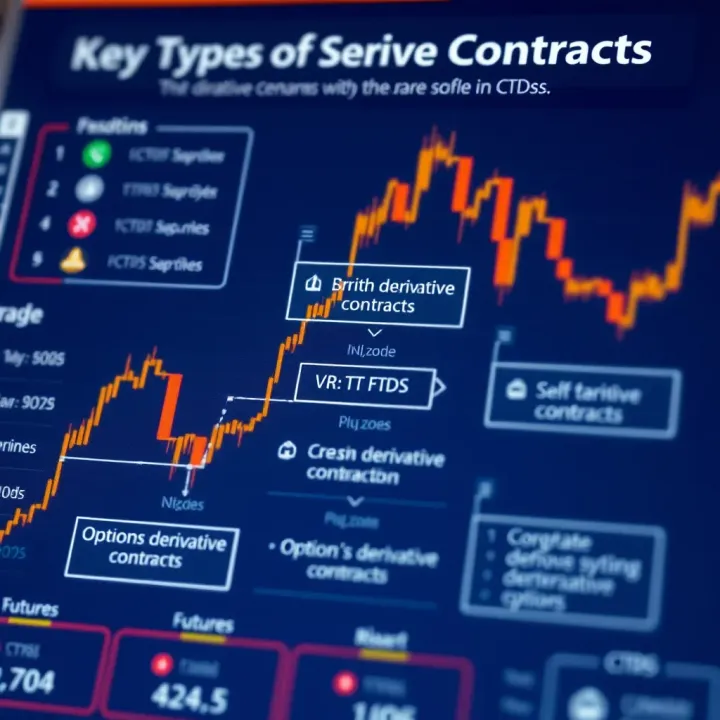
Explore Deriv trading in Kenya 📊: Learn how derivatives work, key types, trading platforms, risks, and smart strategies to trade confidently and safely.
Based on 11 reviews