

Understanding Derivative Trading in Kenya
Explore the essentials of derivative trading in Kenya 📈. Learn types, benefits, risks, key strategies, and local regulations to make informed investment decisions.
Edited By
Sophie Bennett
In forex trading, the term spread refers to the difference between the buying price (bid) and the selling price (ask) of a currency pair. This gap represents the cost a trader pays to open a position in the market. For example, if the USD/KES pair has a bid price of 110.50 and an ask price of 110.55, the spread is 0.05 Kenyan Shillings. This might seem small, but when trading large volumes, the costs add up quickly.
Understanding how spreads work is essential for traders, whether new or experienced. It directly affects profitability because it determines the point at which a trade needs to move in your favour before you begin making gains. Tight spreads reduce trading costs, while wider spreads increase them. In Nairobi’s increasingly active forex market, spreads can vary significantly depending on market conditions and the broker you use.

There are two main types of spreads traders will encounter:
Fixed Spread: This remains constant regardless of market changes. It’s common in brokerages offering predictable trading costs but might be slightly higher to cover risks during volatile times.
Variable (Floating) Spread: Changes according to market liquidity and volatility. During active trading sessions, spreads tend to narrow, while in quieter hours or major news announcements, spreads can widen noticeably.
Kenyan traders often deal with brokers based internationally and locally. Spreads impact not just direct trading costs but also the strategies applied. For instance, scalpers and day traders need tight spreads to make multiple quick trades profitable. On the other hand, long-term investors might not feel spreads as heavily but should still be mindful of cumulative costs.
Choosing a broker with transparent and competitive spreads can save substantial amounts over time. Some brokers may add hidden fees or offer low spreads but compensate with commissions. It’s wise to compare all costs before committing.
Understanding spreads helps you plan your trades better, avoid surprise costs, and select trading hours with the best rates. Keep an eye on the spread every time you trade to improve your overall results.
The spread is a fundamental concept in forex trading that all traders must understand. It represents the difference between the bid price (what buyers are willing to pay) and the ask price (what sellers offer). Knowing what spread means helps traders assess their trading costs more realistically and plan their strategies accordingly.
At its core, the spread is the cost you pay to enter or exit a trade—though it’s not always obvious as a separate fee. For example, if the EUR/USD currency pair shows a bid price of 1.1000 and an ask price of 1.1002, the spread is 0.0002, or 2 pips. In practical terms, this 2-pip difference means that immediately after placing a buy order, the trade starts with a small loss equal to the spread. To break even, the price must move at least 2 pips in your favour.
Forex spreads vary widely depending on currency pairs, market conditions, and broker policies. Major pairs like USD/KES typically have tighter spreads due to high liquidity, while exotic pairs may have wider spreads. This difference is vital because the spread directly affects how much you pay per trade and therefore your overall profitability.
Many traders confuse spread with commissions or fees charged by brokers, but they are not the same. The spread is built into the market price—when you buy, you pay the ask price; when you sell, you receive the bid price. Commissions, on the other hand, are explicit charges added per trade, often shown separately on your account statement.
For instance, some brokers offer zero spread accounts but charge a fixed commission per trade. Others embed costs mainly in the spread with no commission. Understanding this difference helps traders choose brokers that align with their trading style and cost preferences.
Beyond spreads and commissions, traders may face rollover fees or swaps for holding positions overnight, which are separate costs. By recognising that spread is the primary cost per trade entry and exit, especially for short-term traders, one can better manage expenses and set realistic profit targets.
Tip: Always check both spread and commission costs before trading. Low spread with high commissions might be costlier than a slightly wider spread with no commissions.
In summary, the spread is the hidden yet immediate cost factored into every forex trade. Knowing its size and behaviour helps traders in Kenya and elsewhere control their expenses and sharpen their trading strategies effectively.
Understanding the types of spreads in forex trading helps Kenyan traders choose the right trading conditions and manage costs better. Spreads represent the difference between the bid (selling price) and ask (buying price) of a currency pair. The two main types are fixed and variable spreads, each with distinct features and suited to different trading styles.

Fixed spreads remain constant regardless of market conditions, providing predictability for traders. Brokers offering fixed spreads usually set them slightly wider to cover potential market fluctuations. For example, a fixed spread on the USD/KES pair might stay at 5 pips throughout the trading day, even during volatile periods.
This stability is attractive to traders who prefer to know their exact transaction costs before entering a trade. It is especially useful for beginners or traders using automated strategies that rely on consistent cost inputs. However, fixed spreads can sometimes be higher than variable spreads during calm market periods, making them less cost-effective over time.
Brokers offering fixed spreads may also widen these spreads during major news releases or outside regular market hours to protect themselves. Kenyan forex traders should check the broker’s terms carefully and confirm if spreads widen during off-hours, such as late nights when the local market is closed.
Variable spreads change in real-time, reflecting market supply and demand. They tend to be narrow during highly liquid periods, like when the London and New York markets overlap, and widen during illiquid moments or economic announcements.
For instance, the EUR/USD spread might be as low as 1 pip during peak hours but jump to 8 or more pips when a significant news report hits or during low liquidity times such as weekends or public holidays. This makes variable spreads attractive to active Kenyan traders who focus on high liquidity times to reduce costs.
Traders using variable spreads should be prepared for sudden changes in transaction costs, especially if trading news events or less popular currency pairs like KES against emerging market currencies. Variable spreads often suit scalpers or day traders aiming for quick entries and exits.
Choosing between fixed and variable spreads depends on your trading style, cost sensitivity, and market conditions. Fixed spreads offer cost certainty, while variable spreads can be cheaper during normal market action but unpredictable during volatility.
In summary, knowing the difference between fixed and variable spreads helps Kenyan forex traders plan better and select brokers and times that align with their trading needs. Always consider how spread type interacts with your risk management and trade timing to keep costs reasonable.
The spread directly impacts the cost of every trade that forex traders make. Since the spread is the difference between the buying price (ask) and selling price (bid), it is effectively the cost the trader pays to enter the market. For example, if you buy a currency pair at a price with a spread of 2 pips, your position needs to move at least 2 pips in your favour to break even. This means tighter spreads reduce your upfront cost and help you start profiting sooner, especially on frequent trades.
Spread is a hidden trading cost that can quietly eat into profits if not managed well.
Spread size directly affects profitability by increasing entry and exit costs. Suppose you're trading the USD/KES pair with an average spread of 4 pips. Every buy or sell position you open immediately loses you those 4 pips. If the price moves against you slightly before improving, you might get stopped out earlier than expected because of the cost burden.
Traders often overlook this cost, especially when making small gains. For instance, a scalper targeting just 5 pips profit could see nearly all gains wiped out by a 4-pip spread. Longer-term traders may ignore small spreads more easily because their targets are dozens or hundreds of pips away. But even for them, consistently high spreads mean eating into overall returns over many trades.
In short-term trading, like scalping or day trading, spread is a major factor. Since trades are opened and closed quickly, frequent spread costs add up fast. Kenyan traders who prefer to scalp during volatile Nairobi Stock Exchange hours or economic news releases should seek brokers offering tight spreads to stay profitable.
Conversely, long-term traders generally face less pressure from spreads. The focus here is on larger price moves over weeks or months where a small spread is less significant. For example, a swing trader chasing a 100-pip move won’t mind a 3-4 pip spread as much because the relative cost is small. Still, consistently high spreads can erode returns over many trades, so it pays to choose your broker carefully.
Overall, understanding spread can help you plan your trading strategy better. If your style demands quick profits, pick currency pairs and brokers with small, stable spreads. For slower strategies, spread remains relevant but less urgent.
Use spread information alongside other trading costs to get a full picture of your expenses and potential profits. Monitoring how spread changes during different market hours or events also helps you avoid costly traps. Kenya’s forex traders can save costs simply by timing trades during high liquidity sessions when spreads usually narrow.
In the end, paying attention to spreads means more control over your trading costs and better chances of building consistent profits over time.
Understanding what impacts spread size helps traders anticipate costs and plan better. Several key factors influence how wide or tight spreads will be, directly affecting profitability and trading strategies.
Liquidity refers to how easily a currency pair can be bought or sold without causing big price changes. High liquidity pairs—like USD/KES or EUR/USD during main market hours—tend to have tighter spreads. This is because there are many buyers and sellers active, ensuring smooth trade execution.
Volatility, on the other hand, is about how much a currency’s price fluctuates in a short time. When markets experience sharp moves due to unexpected news or economic releases, spreads often widen as brokers protect themselves from sudden risk. For example, during the Central Bank of Kenya’s interest rate announcements, forex spreads on the KES pairs might expand temporarily.
Common major pairs, such as USD/EUR and GBP/USD, generally have narrower spreads because they attract huge daily trading volumes internationally. Conversely, exotic pairs—like USD/TRY or USD/ZAR—often have wider spreads due to lower liquidity and larger risks.
Broker choice also affects spread size. Market maker brokers often offer fixed spreads but might widen them during volatile periods. ECN (Electronic Communication Network) brokers instead provide variable spreads that reflect real market conditions, usually benefiting experienced traders seeking the tightest spreads during calm markets.
Spread sizes vary with trading hours. Active market hours—like the London and New York sessions overlapping—provide high liquidity, resulting in tighter spreads. Outside these times, spreads generally widen due to reduced participants.
Geopolitical events heavily affect spreads too. Political unrest, elections, or trade negotiations can cause uncertainty, pushing spreads wider as traders and brokers factor in risks. For example, ahead of major elections in Kenya, forex pairs involving KSh might see increased spreads.
Monitoring these factors is vital. Knowing when spreads are likely to widen helps you avoid unnecessary trading costs and plan entries and exits more effectively.
In summary, the mix of liquidity, volatility, chosen currency pairs, broker type, timing, and current global or local political events shapes spread size in forex trading. Being aware of these elements puts you in a better position to manage your trading costs and enhance profitability.
Managing spread costs is vital for forex traders in Kenya who aim to keep trading expenses low and preserve profits. Spread—the difference between the buying (bid) and selling (ask) prices—affects entry and exit points directly. Even a slight reduction in spread can make a meaningful difference, especially for traders working with tight margins or trading frequently.
Picking a broker suited to your trading style matters a lot. Brokers offer various account types, each with different spread models. For example, an ECN (Electronic Communication Network) account typically offers tighter spreads but charges a commission per trade, while a standard account might have wider spreads but no added commission. Kenyan traders should compare both options based on trading volume and strategy. A trader who enters multiple short-term trades daily may benefit from a tighter spread, even if they pay commissions.
Also, consider the broker’s reputation and regulatory compliance. Brokers regulated by the Capital Markets Authority (CMA) in Kenya or other respected regulators usually ensure fair trading conditions and transparent spread reporting.
Spreads fluctuate through the day, mostly influenced by market liquidity. For currency pairs involving the Kenyan shilling (KES), liquidity peaks during business hours in Nairobi and major global centres like London and New York. Trading during these hours typically results in narrower spreads. For instance, trading USD/KES around Kenya’s 9 am to 5 pm is likely to be cheaper compared to off-hours when volumes dip.
Kenyan traders should also avoid opening positions around major economic announcements, which tend to widen spreads due to increased volatility. Planning trades around these periods helps prevent unexpected costs eating into profits.
Incorporating spread data into your trade analysis can improve precision. Always check the current spread before placing orders, especially if you use limit or stop orders where execution price matters. For example, if a spread widens unexpectedly, a stop-loss triggered at an unfavourable price might cause a bigger loss than anticipated.
Some Kenyan traders track average spread ranges during different times and adjust their trade size or frequency accordingly. This simple practice can save costs and reduce surprises. Also, using spread calculators and tools provided by brokers helps model potential costs before finalising trades.
Managing spread costs is not just about saving money; it’s about improving your overall trading discipline and decision-making. With the right choices, Kenyan forex traders can keep expenses manageable and boost long-term success.
By choosing the correct broker, timing trades smartly, and factoring spreads into every decision, Kenyan traders position themselves better in a competitive forex market. These steps, combined with solid strategy and risk management, can make a real difference.
Explore the essentials of derivative trading in Kenya 📈. Learn types, benefits, risks, key strategies, and local regulations to make informed investment decisions.

📈 Curious about CFD trading in Kenya? Learn how CFDs work, key strategies, risks, and regulatory tips to trade smart and protect your investments.

🤖 Explore bots on Deriv.com: how they work, pros & cons, legal tips, plus user advice and support for safer automated trading experiences.
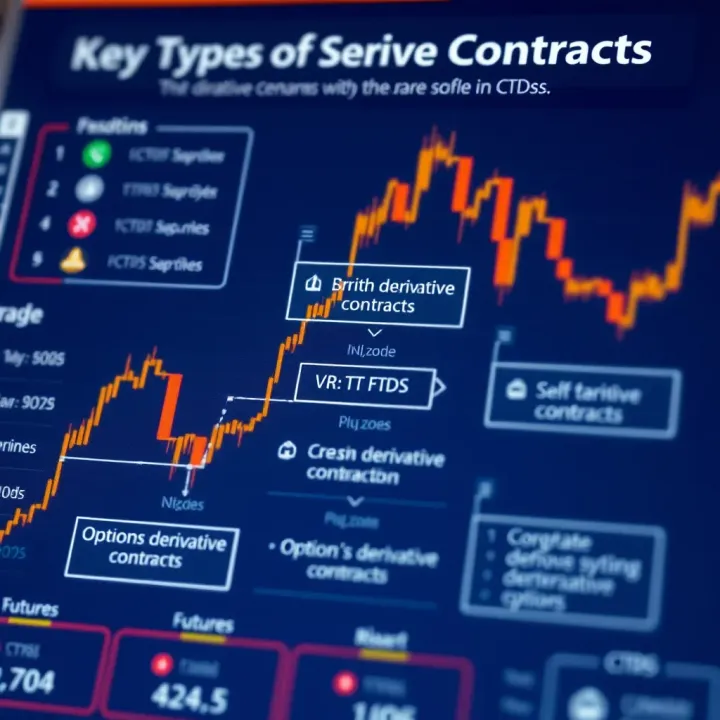
Explore Deriv trading in Kenya 📊: Learn how derivatives work, key types, trading platforms, risks, and smart strategies to trade confidently and safely.
Based on 8 reviews