

Understanding Derivative Trading in Kenya
Explore the essentials of derivative trading in Kenya 📈. Learn types, benefits, risks, key strategies, and local regulations to make informed investment decisions.
Edited By
Thomas Wright
Margin in forex trading is the amount of money a trader needs to open and maintain a position. It's not the full value of the trade but a fraction, allowing traders to control larger sums with a smaller capital outlay. This concept ties directly to leverage, which amplifies your potential gains or losses.
Kenyan traders often hear about margin when signing up with brokers or using platforms like MetaTrader. Understanding margin is vital because it affects how much you can trade and the risks involved. For example, if you want to buy USD/KES worth KSh 100,000 and the broker requires a 5% margin, you’ll need KSh 5,000 in your trading account to open that position.
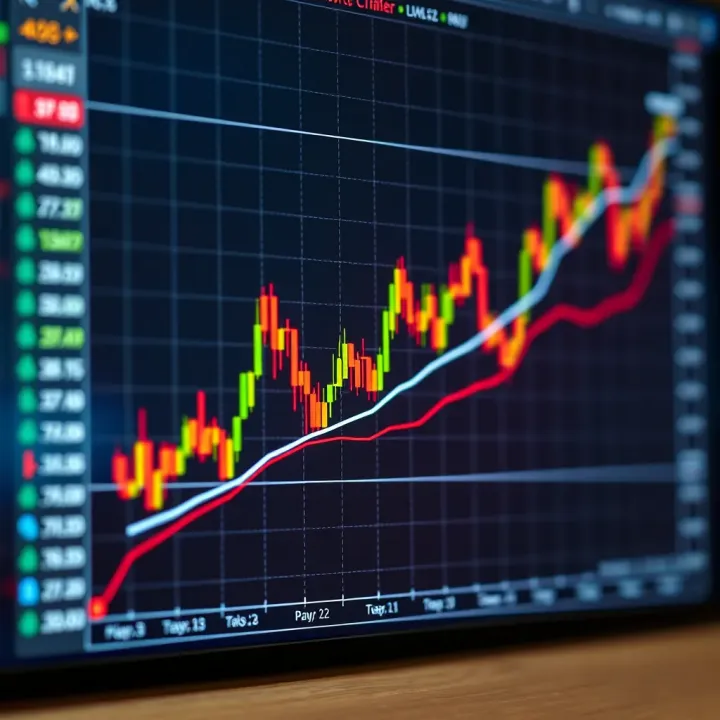
Using margin is like borrowing from your broker to increase your market exposure, but it comes with the risk of losing more than your initial money if the market moves against you.
Leverage: This shows how much your margin allows you to control. A 20:1 leverage means for every KSh 1 you deposit, you can trade KSh 20.
Margin Requirement: The percentage your broker asks to cover a trade. This differs among currency pairs and brokers.
Margin Call: When your account balance drops below the required margin, brokers may request additional funds or close positions to prevent further losses.
Suppose you have KSh 10,000 in your trading account and want to trade EUR/USD with 50:1 leverage. You effectively control a position worth KSh 500,000. If the market shifts a bit against you, your losses can quickly exceed your free margin, triggering a margin call. This shows why managing margin carefully is crucial.
It dictates your trading power and risk.
Understanding margin helps avoid surprise margin calls, especially since forex markets can be volatile.
Local brokers in Kenya might have different margin requirements compared to global platforms, so awareness prevents overexposure.
In a nutshell, margin lets you trade bigger positions without large capital but demands caution. Managing your margin well is key to staying in the game longer.
Margin plays a key role in forex trading by acting as the trader’s financial foothold to hold positions in the market. It's not the full cost of the trade but a fraction set aside to open and maintain trades. Understanding what margin means helps you manage your trading capital better and avoid unexpected losses.
Margin is essentially a good faith deposit a broker asks to back your trades. It shows you have enough funds to cover potential losses while the trade is open. For example, if you want to trade a position worth KSh 1 million but your broker requires a 2% margin, you only need to set aside KSh 20,000 in your account to open that position. This margin acts as a form of security and lets you control larger trades than your available cash.
It’s important to differentiate between margin and deposit. The deposit is the actual cash you put in your trading account, while margin is the portion of that deposit earmarked to secure specific positions. You can think of margin as a 'reserved' part of your deposit that cannot be used for other trades or withdrawals until you close positions.
When you open a trade, the broker holds the margin amount to keep your position active. This means your margin is locked to support each open trade and covers any potential shortfall if the market moves against you. If your account balance falls below the margin, the broker may issue a margin call demanding more funds or start closing your positions to limit losses.
Margin is closely tied to leverage, which multiplies your buying power. Through margin, you can trade amounts far bigger than your actual deposit, enhancing your opportunity to earn profits. For instance, with a 1:50 leverage, putting up KSh 10,000 margin allows you to control a position worth KSh 500,000. However, this also means losses are amplified, so understanding margin helps you balance risk and reward.
Understanding the role of margin is fundamental because it determines how much you can trade and also influences your exposure to market risks.
In short, margin is the key to using leverage efficiently and managing your trading capital prudently.
Leverage and margin are closely connected in forex trading. Leverage allows you to control a large trading position with a relatively small amount of your own money, which is the margin. Understanding how these two work side by side helps you know how much capital you need upfront and what risks you take when trading.

Leverage ratios in forex commonly range from 1:10 to 1:500, depending on the broker and the market regulations. For Kenyan traders, local brokers usually offer leverage up to 1:100 or 1:200, which means for every KSh 1,000 you put down as margin, you can control KSh 100,000 or KSh 200,000 worth of currency. This multiplication effect increases your buying power but also your risk exposure.
The effect of leverage on trading power is significant. It essentially magnifies both profits and losses. For example, with a 1:100 leverage, a 1% price movement in your favour could double or triple your invested capital, but a similar move against you can wipe out your margin quickly. So, managing leverage carefully is essential to avoid blowing your trading account.
To estimate the margin you need, there is a simple formula:
Margin = (Trade size / Leverage)Here, the trade size is the amount of currency you want to control. Knowing this helps you calculate exactly how much money you must set aside as margin before opening a position.
For instance, if you want to trade a standard lot of USD/KES worth KSh 1,000,000 with a leverage of 1:100, your required margin would be:
Margin = 1,000,000 / 100 = KSh 10,000This means you only need KSh 10,000 from your account to control KSh 1,000,000 in the market. However, remember that while leverage can increase your trading power, it also means losses can exceed your initial margin if the market moves unfavourably.
Understanding how to calculate and manage margin in relation to leverage is a key skill for every forex trader, especially when dealing with fluctuating Kenyan shilling rates.
In summary, using leverage wisely with a clear grasp of margin requirements lets you trade larger positions and potentially increase profits while keeping risks under control. Always consider both your margin capacity and your risk tolerance before placing any trade.
Margin requirements define the minimum amount of money a trader must have in their account to open or maintain a trading position. These requirements ensure that traders provide enough capital to cover potential losses, protecting both the trader and the broker. For example, if a forex broker sets a 2% margin requirement on a KSh 1 million trade, you need at least KSh 20,000 as margin to enter that trade. This rule helps manage risk and prevents overextending beyond available funds.
Margin calls happen when your account equity drops below the broker's required margin level. Understanding this threshold is essential because traders can lose more than their initial deposit if they ignore margin levels. Brokers offer varied margin requirements, and knowing these differences is key to choosing a broker that matches your risk tolerance.
Standard margin requirements typically range between 1% and 5%, depending on the trading platform and the currency pairs involved. For instance, major pairs like EUR/USD usually have lower margin requirements since they are less volatile, while exotic pairs involving currencies such as the Kenyan shilling may demand higher margins. This variation ensures that brokers manage their exposure appropriately.
From a trader’s standpoint, meeting these margin requirements means keeping adequate funds in the account and monitoring open positions regularly. Failing to do so might result in forced position closures, which can lead to unexpected losses. In Kenya, local forex brokers usually communicate their margin rules clearly on their websites or trading platforms, so always check these before committing funds.
Variations by forex brokers become evident especially between international and local brokers. International brokers often offer higher leverage with lower margin requirements, but these come with stricter margin call policies. Local Kenyan brokers, on the other hand, may show more conservative margin policies because of regulatory controls by the Capital Markets Authority (CMA) and to protect traders new to forex.
Choosing a broker also involves considering how quickly they execute margin calls. Some may allow a bit more buffer before calling a margin, while others act swiftly. For traders, understanding these nuances can protect your money and trading strategy from abrupt stops.
Triggers for margin calls occur when your equity falls close to or below the required margin level due to adverse price movements. For example, if you opened a position with KSh 100,000 margin and losses bring your account equity to KSh 90,000 under a 100% margin call level, the broker will notify you to either top up your account or close some positions.
In Kenyan trading realities, this often happens when unexpected global events cause rapid price swings, or when traders over-leverage by using very high multiples. It’s wise to keep some buffer funds to absorb sudden shocks and avoid margin calls.
Consequences and how to avoid margin call losses are straightforward. When a margin call is triggered, brokers may liquidate positions automatically, often at unfavourable prices. This can wipe out your account or leave very little balance. Using stop-loss orders to limit downside and regularly monitoring margin levels are practical ways to avoid these losses.
Additionally, avoid trading with excessively high leverage beyond your experience level. Risk management tools, such as alerts on your trading platform, can notify you when margin levels drop dangerously low. Kenyan traders should remember that disciplined risk management beats chasing quick profits, especially when trading on margin.
Always remember: Margin rules are there to protect both you and the broker from excessive losses. Understanding and respecting these requirements can save you from costly margin calls and help you trade smoother.
By keeping a close eye on margin requirements and knowing how margin calls work, you gain greater control over your trading account and can better handle the ups and downs of forex markets.
Trading forex with margin allows you to control larger positions than your deposit, but it comes with serious risks that traders must understand. The opportunity to multiply gains also means losses can swell quickly, especially when markets move against you. For anyone involved in forex trading—whether a seasoned investor or a beginner—it’s vital to recognise these risks before diving in.
Leverage magnifies both profits and losses. Say you use leverage of 50:1; a 2% adverse move in the currency pair could wipe out your entire deposit. This happens because while you initially commit a small amount of margin—say KSh 10,000—you effectively control KSh 500,000 worth of currency. If the trade turns against you, losses hit the full position size, not just the margin.
For Kenyan traders, this risk is very real. Imagine a forex trade opened during a volatile time when the Kenyan shilling weakens unexpectedly. The unfavourable currency swings could erode your margin rapidly. Unlike cash losses in a typical savings account, margin losses can happen faster and lead to owing more than you initially put in if you do not act quickly.
Your account balance directly impacts how much margin you can maintain. If losses accumulate and your equity falls below the broker’s required margin level, a margin call occurs. The broker may demand additional funds or start closing positions, sometimes without warning. This protects both you and the broker from losing more than the account balance.
Stop-loss orders are essential tools to manage such risks. Setting a stop-loss helps cap potential losses by automatically closing a position once the price hits a certain threshold. For example, if you buy the USD/KES expecting the shilling to weaken but want to limit losses to KSh 5,000, a stop-loss at the appropriate level will exit the trade before losses grow beyond this.
Effective risk management, including using stop-losses and keeping leverage moderate, can prevent margin calls and protect your account from liquidation.
In practice, many Kenyan traders have found that sticking to modest leverage levels and using stop-loss orders helps manage the unpredictability in forex markets. It also provides peace of mind, knowing losses won’t spiral uncontrollably. Without such measures, margin trading can quickly become a dangerous game.
Understanding these risks is not about scaring away from forex but about encouraging responsible trading. By knowing how amplified losses happen and how margin calls work, you can trade with caution and better protect your funds.
Managing margin safely is key to avoiding losses that can hurt your trading account deeply. This section offers straightforward tips that can reduce chances of margin calls and maximise your chances of profitable trades. For anyone trading forex, understanding how to control margin well is not just useful but essential.
Balancing risk and profit means selecting a leverage ratio that does not expose your capital to wild swings. Too much leverage can blow your account quickly, while too little might limit your earnings. For example, a leverage of 1:10 means every KSh 1,000 in your account controls KSh 10,000 in the market, increasing both potential gains and losses. Most experienced Kenyan traders tend to keep leverage moderate, especially during volatile times such as election seasons or major economic announcements.
Beginners should be cautious by starting with low leverage levels, such as 1:5 or 1:10, until they understand how margin impacts their trades. This approach helps protect against losing more than you can afford and builds confidence. It is a good practice to adjust leverage gradually as your experience grows rather than diving into high-risk settings right away.
Stop-loss and take-profit points are critical tools that control how much you lose or earn before a trade closes automatically. Setting a stop-loss keeps your losses within a manageable range, preventing margin depletion. For instance, if you buy USD/KES at 110.00, setting a stop-loss at 109.50 means you limit your loss to about 50 pips if the market moves against you.
Besides placing these orders, regularly monitoring your margin levels can help you avoid unpleasant surprises. Brokers often provide real-time margin data, so checking your margin usage before placing new trades or after price swings helps keep you in control. If your margin level drops too low, you reduce open positions or top up your account before a margin call happens.
Each broker in Kenya may have slightly different margin requirements and must follow local regulations set by authorities like the Capital Markets Authority (CMA). It is important to understand a broker’s specific margin policy and whether it suits your trading style and risk tolerance. Some brokers might offer higher leverage but stricter margin calls, while others are more conservative.
Selecting a trustworthy broker involves looking beyond just margin and leverage. Check for CMA licensing, good customer reviews, transparency on fees, as well as clear communication channels. A reliable broker will provide not only competitive margin terms but also educational support and tools to help you manage your trades responsibly.
Managing margin safely isn't about eliminating risk but about controlling it to fit your financial comfort zone. Equipping yourself with suitable leverage, solid risk tools, and a trusted broker makes trading less stressful and more sustainable.
Explore the essentials of derivative trading in Kenya 📈. Learn types, benefits, risks, key strategies, and local regulations to make informed investment decisions.
📈 Curious about CFD trading in Kenya? Learn how CFDs work, key strategies, risks, and regulatory tips to trade smart and protect your investments.
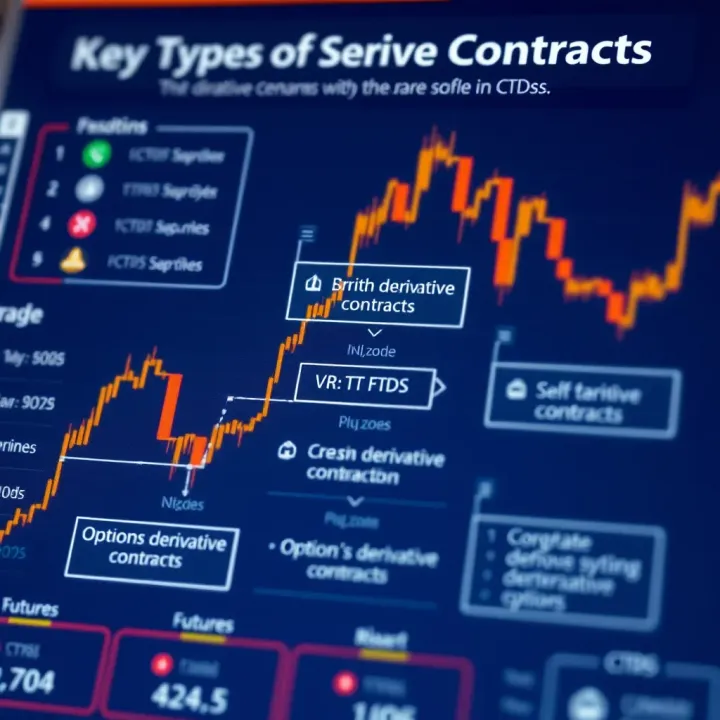
Explore Deriv trading in Kenya 📊: Learn how derivatives work, key types, trading platforms, risks, and smart strategies to trade confidently and safely.
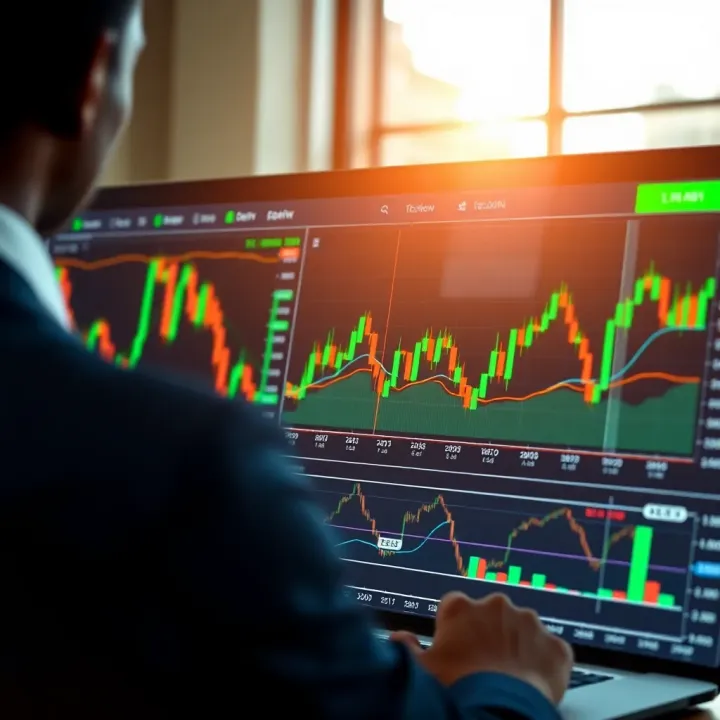
📊 Discover how Deriv Trading View helps Kenyan traders analyze markets, read signals, and customize charts to boost trading decisions effectively.
Based on 10 reviews