
Understanding Margin in Forex Trading in Kenya
📈 Learn how margin works in forex trading with clear examples for Kenyan traders, covering leverage, margin requirements, and risk management tips for smarter trades.
Edited By
Oliver Hughes
Margin is a key concept in forex trading that many new traders find tricky. Simply put, margin is the amount of money a trader must put down to open a position in the currency market. Think of it as a security deposit or collateral that your broker holds while you trade. This deposit allows you to control a much larger sum of money than the margin itself.
For example, in Kenya, if you have KSh 10,000 in your trading account and your broker offers 1:100 leverage, you can trade a position worth KSh 1,000,000. Here, your margin requirement will be 1% of the total trade size (KSh 10,000). This means margin significantly boosts your buying power but also brings in higher risk.
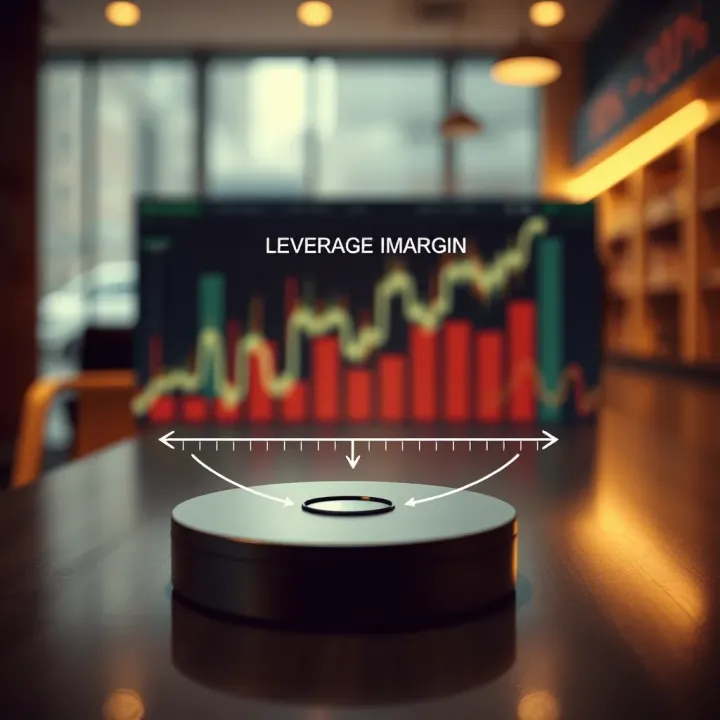
Margin amplifies both profits and losses; it does not offer free money.
Understanding how margin works can help you avoid common pitfalls like margin calls—when your account equity falls below the required margin level, forcing you to either add funds or close trades.
Opening a position: You need to deposit margin to open trades. The size depends on leverage and trade volume.
Maintaining a position: Margin must be maintained throughout the trade. If your losses eat into margin, brokers may issue a margin call.
Closing a position: Once closed, your margin is freed up and added back to your usable balance.
Imagine you've opened a trade worth KSh 500,000 with 1:50 leverage. Your margin would be 2% (1/50) of KSh 500,000, which is KSh 10,000. If the trade moves against you and your account equity drops below this margin, your broker will alert you, and you risk losing your position if no action is taken.
Traders should always calculate their margin requirements before trading to avoid surprises. In Kenya, forex brokers often provide margin calculators on their platforms. Also, managing position sizes and setting stop-loss orders protect your capital and prevent margin calls.
Understanding margin helps you trade responsibly, balancing potential gains with the real possibility of losses. It puts the power of forex trading in your hands but demands respect and caution in equal measure.
Margin in forex trading is the collateral or security a trader must have in their account to open and maintain a position in the currency market. It acts as a good faith deposit with the broker, allowing traders to control larger sums than the capital they have on hand. This means with a small initial amount, you can enter trades worth significantly more, enhancing your buying power. However, margin also means you need to be careful because profits and losses get magnified.
Margin is the amount of money a trader needs to put down to open a trade. For example, if you want to buy dollars with Kenyan shillings in the forex market, instead of paying the full amount, you only need to set aside a fraction—this is the margin. It’s not a fee or a cost but collateral held by the broker to cover potential losses.
By using margin, traders utilise leverage, which means you can control a much bigger position than your actual cash. If the margin requirement is 1%, this means with KS00,000 in your account, you can control KS0,000,000 worth of currency. Leverage can make small market moves work in your favour, but it can also increase losses if the market moves against you.
Margin should not be confused with a deposit. While both are funds in your trading account, a deposit is your own money you put into the account to trade, whereas margin is the portion of that deposit set aside to keep your trades open. If a trade closes, the margin is released back to your account balance.
When you open a position, the broker freezes the required margin amount from your available balance. For example, if you want to buy 100,000 units of EUR/USD and the margin requirement is 2%, the broker holds 2% of the trade value as margin. This ensures you have enough funds to cover potential market swings.
Margin, leverage, and position size are tightly linked. Position size is the total value of the trade. Leverage is the multiple of your capital that you can use as trading power, and margin is the actual collateral needed to open the position. A higher leverage means you require less margin for the same position size. But it also means risks increase, so it’s wise to choose leverage levels that match your risk tolerance.
Having a clear understanding of margin and leverage helps you manage trades better and avoid surprises like margin calls, which can occur if your account equity falls below required levels.
Using margin wisely can boost your trading capacity, but always keep an eye on how much margin you're using versus how much you have to avoid overexposure.
Understanding the different types of margin in forex trading is key to managing your capital effectively. Margin isn't just one-size-fits-all; it comes in forms like initial and maintenance margin, each playing a distinct role in how you operate your trades. Knowing these types helps you avoid unexpected liquidation and better control your positions, especially when trading volatile currency pairs such as USD/KES or EUR/USD.
The initial margin is the upfront collateral a trader must deposit to open a position. Think of it as a security deposit for the trade, which allows you to control a larger position than your actual capital. For example, if a broker requires an initial margin of 2% on a KSh 100,000 position, you will need to have KSh 2,000 in your account to open that trade.
Brokers set initial margin requirements based on the currency pair’s volatility and leverage options they offer. In Kenya, many brokers provide leverage ratios ranging from 1:50 to 1:200. This means your initial margin can vary significantly depending on these ratios. Brokers in regulated environments such as those licensed by the Capital Markets Authority (CMA) Kenya also adjust these requirements periodically to reflect market conditions.
Maintenance margin refers to the minimum amount of equity you need to keep in your trading account to maintain an open position. It's lower than the initial margin and acts as a buffer to prevent your account equity from dropping too low. When your account equity falls below this level, the broker issues a margin call.
This margin differs from the initial margin in both timing and purpose. While the initial margin is a prerequisite to opening a position, the maintenance margin is about ongoing support of that position. For example, if the market moves against you and your account equity dips below this threshold, the maintenance margin ensures you either top up your funds or close trades to limit losses.
The maintenance margin plays a critical role in position management. It compels traders to monitor their positions actively and avoid situations where losses run unchecked. For instance, a trader holding a position on GBP/USD must watch the maintenance margin closely during volatile sessions, such as after UK economic announcements, to avoid forced liquidation.
Remember: Keeping your account equity above the maintenance margin is vital to prevent margin calls that can disrupt your trading strategy.
In summary, both initial and maintenance margins work together to protect both traders and brokers. Understanding these will help you manage your finances prudently while navigating the dynamic forex market in Kenya and beyond.
Knowing how to calculate margin is key for any forex trader. Margin calculation determines the amount of collateral you need to open and hold a position. Without understanding this, you risk overexposing your account or facing unexpected margin calls.
Margin is generally calculated using a simple formula:
Required Margin = (Trade Size / Leverage)
Here, trade size refers to the total value of the position you want to open, and leverage is the multiplier your broker offers. For example, if you want to buy one standard lot of EUR/USD (which is 100,000 euros) with leverage of 100:1, you’d only need 1,000 euros as margin.
This shows how leverage lets you control larger positions with smaller capital, but also increases exposure to risk.
Take a Kenyan trader wanting to buy USD/KES. Suppose they aim to trade 10,000 US dollars and the broker offers 50:1 leverage. Required margin would be:
Trade size: USD 10,000
Leverage: 50
Required Margin = 10,000 / 50 = USD 200
This means the trader needs to have USD 200 (or its KSh equivalent) as margin in the account to open this position.
Leverage directly affects margin requirements. Higher leverage means lower margin needed for the same trade size. However, Kenyan regulators limit the maximum leverage brokers can offer depending on the currency pair and risk level. For instance, blue-chip pairs like EUR/USD might get higher leverage, while exotic pairs including African currencies tend to have lower allowances due to higher volatility.
Different Kenyan brokers set different margin requirements depending on their risk appetite and client type. Some might ask for a higher margin upfront to protect against sudden market swings or to comply with Capital Markets Authority (CMA) rules. It’s important to check broker margin policies on their trading platforms or terms and conditions.
Margin often shifts with currency volatility. When a currency pair becomes erratic, brokers might raise margin requirements to reduce risk exposure. For example, during periods of political uncertainty in Kenya, USD/KES margin could increase temporarily. Traders need to monitor these changes because sudden margin hikes can trigger margin calls unexpectedly.
Understanding how margin calculation and requirements work helps you trade smartly. You manage your capital efficiently and avoid forced closures that could eat into your profits. Knowing the factors affecting margin also prepares you for sudden changes and helps to select the right brokers and pairs for your risk profile.
Margin amplifies both potential gains and losses in forex trading, making risk management essential. Without careful control, traders can quickly find themselves exposed to losses that exceed their initial investment. Understanding margin calls—the broker’s alert when your account’s equity drops below required levels—is critical for protecting your capital.
A margin call happens when your account equity falls below the maintenance margin set by your broker. Typically, this occurs if your trades move against you and your losses start to eat into the margin you put up. For example, if you opened a position with KSh 100,000 leverage and the market moves unfavourably, the broker will require you to add more funds or close positions to limit their risk.
Brokers notify traders mostly through trading platforms. This can be a pop-up alert on your dashboard, an email, or even a text message, depending on your broker's system. Timely notifications help traders act before positions are liquidated automatically.
If you ignore a margin call, your broker may close some or all of your open positions without further notice to protect its capital. This can lock in losses and limit your ability to recover quickly. Being caught unaware can also disrupt your trading strategy, leaving you with reduced margin and increased risk.
To avoid margin calls, start by managing your risk appetite carefully. Only use leverage levels you’re comfortable with and keep some funds as a buffer in your trading account. Also, avoid putting all your capital into a single trade. Diversifying positions reduces the chance that one loss will trigger a call.
Stop-loss orders play a vital role in risk management. They automatically close positions when price hits a set point, limiting losses before they grow large enough to threaten your margin. For instance, if you trade USD/KESh and set a stop-loss 100 pips below your entry, losses will be cut sooner, helping preserve your margin.
Maintaining sufficient margin in your account is a continuous responsibility. Always monitor margin levels using your broker’s tools. Many platforms offer real-time alerts when you start to approach critical thresholds, giving you time to adjust your positions or deposit funds. Maintaining enough margin cushions you against sudden market swings and unexpected volatility.
Successful margin management is about staying alert, using protective orders, and keeping extra funds ready to handle market ups and downs without triggering margin calls.
By grasping these risk elements and practising disciplined margin use, you protect your capital and position yourself for longer-term trading success in Kenya’s forex market.
Using margin wisely is the difference between a successful forex trade and a costly mistake, especially in Kenya’s dynamic trading environment. Best practices help you protect your capital while making the most of leverage. Keeping a close watch on margin levels, choosing the right leverage, and understanding the regulatory environment keeps you in control and ready for market swings.
Your risk appetite guides how much leverage you should use. If you’re someone who doesn’t want to see your account wiped out after one bad trade, taking high leverage might feel like skating on thin ice. Lower leverage reduces risk and helps manage losses when the market moves against you. For example, a trader with moderate risk appetite might go for 10:1 leverage rather than the maximum offered, keeping a buffer against sudden currency swings.
On the other hand, a more daring trader looking for bigger gains might accept higher leverage—say 30:1 or even 50:1—but this means every price move could have a big impact on the account balance, both positive and negative. The key is knowing how much you can afford to lose.
Kenyan brokers typically offer leverage ranging from 10:1 up to 50:1 for retail traders, depending on their licence and regulatory guidelines. Some international brokers might provide even higher leverage, but they may not comply with Kenya’s Capital Markets Authority (CMA) rules. It's advisable to stick with CMA-regulated brokers or those who clearly disclose their leverage policies.
For instance, Equity Bank’s forex platform caps leverage at 30:1 to help traders avoid excessive risk. Meanwhile, some new brokers might tempt you with 100:1 or higher, but those come with bigger risk. Choosing the right leverage involves balancing your trading goals with these options available locally.
Margin utilisation shows how much of your available margin you are currently using. Keeping an eye on this prevents unpleasant surprises, like sudden margin calls. If you notice your margin utilisation climbing close to 80% or above, that is a clear warning to either reduce positions or add more funds.
For example, if you have KSh 100,000 in your trading account and your current positions require KSh 70,000 margin, your utilisation is 70%. It’s best to monitor these levels daily, especially during volatile times such as around Kenyans’ market news or major economic releases.
Most trading platforms, including MetaTrader 4 and MetaTrader 5, allow you to set alerts for margin levels. Enabling these notifications means you’ll get a prompt before your margin dips to dangerous levels, giving you time to act. This feature is vital for traders who do not watch the screen all day.
In practice, a trader might set an alert at 75% margin utilisation. When the platform sends a ping, they can either close some trades or inject more margin, avoiding forced liquidation by the broker. Platforms linked to Kenyan brokers often support M-Pesa for quick deposit funding, letting traders top up margin fast.
The Capital Markets Authority (CMA) in Kenya oversees forex trading to ensure fairness and protect investors. CMA mandates specific rules on margin trading, such as capping leverage for retail clients to curb excessive risk-taking. Brokers operating in Kenya need to be licensed and comply with these rules.
This regulatory framework means traders can expect certain minimum standards around transparency, execution speed, and capital requirements from their brokers. It also means those using unlicensed brokers face risks, like no recourse in case of disputes.
Regulation by CMA impacts margin trading by limiting maximum leverage and setting clear requirements for margin calls and client notifications. For example, brokers must alert you before liquidating your positions due to insufficient margin. This protects traders from sudden account wipeouts.
Moreover, CMA requires brokers to segregate client funds from their own, reducing the risks related to broker insolvency. These rules give Kenyan traders a degree of safety when trading on margin, encouraging more Kenya-based participation in forex markets. Always check your broker’s CMA licence before depositing funds or choosing margin levels.
Staying informed on these best practices—risk tolerance, margin management, and knowing the rules—lets you use margin like a tool, not a trap, in Kenyan forex trading.
📈 Learn how margin works in forex trading with clear examples for Kenyan traders, covering leverage, margin requirements, and risk management tips for smarter trades.
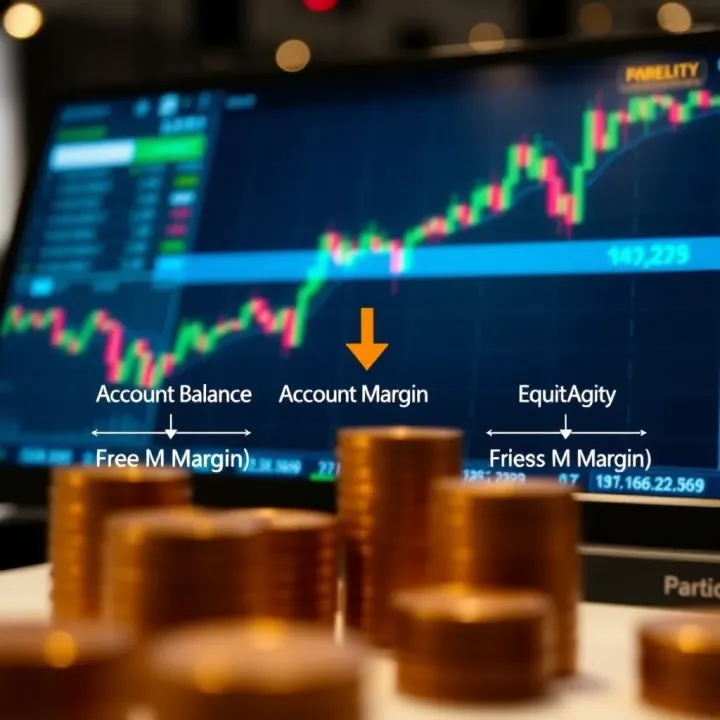
📊 Learn how free margin in forex affects your account balance, equity, and risk. Calculate it right to trade smart and protect your KSh investments effectively.
💱 Learn forex trading basics, broker tips, regulation, and fund management tailored for Kenyan traders. Navigate currency markets confidently and safely with practical insights.
Explore Maven Trading in Kenya—learn how it works, legal rules, risks, and use of M-Pesa plus digital tools to trade smartly and protect your investments 📈💼.
Based on 15 reviews