
Understanding Binary.com for Kenyan Traders
Explore how Binary.com works for Kenyan traders 🇰🇪. Learn about account setup, trade types, security, payments, and regulations to trade smartly and safely.
Edited By
Oliver Bennett
TradingView has become a popular platform for traders and investors across the globe, and Kenyan traders are no exception. Its charts offer a rich set of tools that help you analyse various financial markets including equities, forex, commodities, and cryptocurrencies. Whether you're a seasoned investor or just starting, understanding how to use these charts effectively can make a real difference in your trading outcomes.
Kenyan traders often face unique challenges such as market volatility and limited access to real-time data from certain exchanges. TradingView helps bridge some of these gaps with its interactive and customisable charts that update frequently, even during Kenya's market hours.
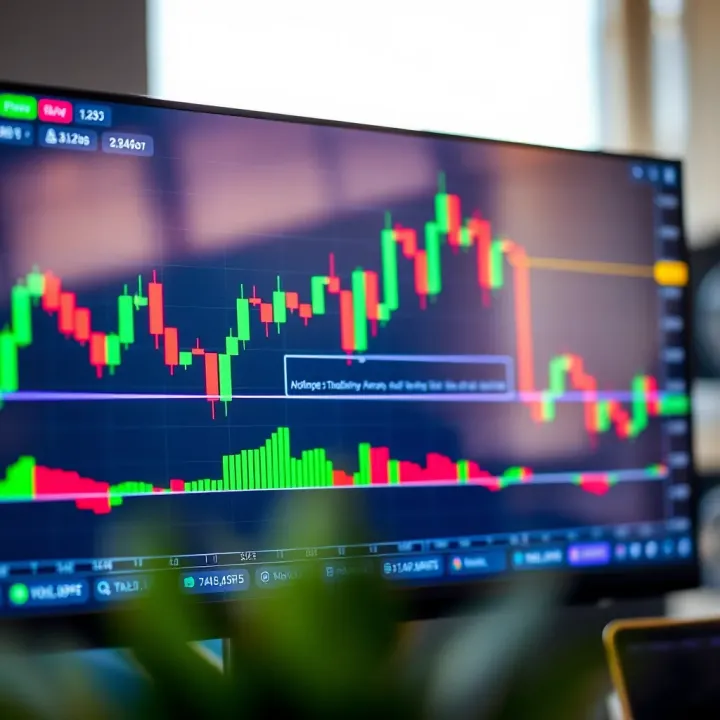
At its core, a TradingView chart provides a clear visual of price movements over time. You can adjust the timeframe—from minutes to months—depending on your trading strategy. For example, if you’re a day trader following the NSE (Nairobi Securities Exchange), you might look at 15-minute or hourly charts, while a long-term investor may prefer daily or weekly charts.
Besides price charts, TradingView lets you overlay indicators like Moving Averages, Relative Strength Index (RSI), and Bollinger Bands. These indicators help you gauge trends, momentum, and market volatility. You can even create or import custom indicators tailored for local market rhythms.
Getting comfortable with TradingView charts means you can spot entry and exit points better and avoid rush decisions that might lead to losses. For Kenyan traders using mobile money for fast transactions or dealing with country-specific taxes and fees, this clarity is crucial.
Some key features to note:
Multiple Chart Types: Choose between candlestick, line, bar, or area charts to suit your visual preference.
Customisable Timeframes: Easily switch from short intraday windows to longer historical data.
Drawing Tools: Mark support and resistance levels, trendlines, and Fibonacci retracements.
Watchlists and Alerts: Keep track of specific stocks or assets and get notified on price movements.
Understanding these basics equips you to interpret market action better and develop strategies that fit Kenyan market conditions and your personal trading style. Soon, you’ll move beyond just watching prices to actively making informed decisions.
TradingView charts have become an essential tool for traders worldwide, and Kenyan traders are no exception. This platform offers a practical way to visualise market movements, helping you make smarter trading decisions whether you trade local shares, forex, or global commodities. Understanding TradingView charts is a solid first step towards reading market trends, spotting entry and exit points, and managing your trades with greater confidence.
TradingView is an online charting platform that provides real-time financial data and powerful tools for technical analysis. It brings together data from stock exchanges, forex, cryptocurrencies, and commodities all under one interface accessible from your browser or mobile. For many Kenyan traders, especially those using local brokers or platforms with limited charting options, TradingView adds a layer of sophistication without needing expensive software.
The platform supports both individual traders and professionals by offering an intuitive way to monitor markets and test trading strategies. For example, a retail trader in Nairobi can set alerts on maize futures prices while following global currencies to hedge risks. Professionals can create custom scripts for algorithmic trading or backtest strategies against historical data to reduce guesswork.
Local trading habits in Kenya also benefit from TradingView’s flexibility. Many users trade from mobile devices on limited bandwidth, and the platform's lightweight interface and adjustable data speeds suit these conditions well. Plus, thanks to its free tier and affordable paid plans, TradingView fits the budget of both upcountry hustlers and seasoned Nairobi investors.
One key feature is the real-time pricing and live data updates. Kenyan traders need accurate price feeds, especially when forex rates or NSE (Nairobi Securities Exchange) stocks move quickly. TradingView’s data refreshes continuously, ensuring you stay current without having to refresh the page repeatedly or miss critical price changes.
The platform covers a wide range of markets, from NSE equities to global indexes like the S&P 500, forex pairs such as USD/KES, and even cryptocurrencies like Bitcoin and Ethereum. This broad coverage means you can track local assets alongside international opportunities without switching platforms.
The user-friendly interface is another big plus. Even if you’re new to charting, TradingView’s drag-and-drop tools, clear menus for adding indicators, and easy-to-read visuals make the learning curve less steep. For traders juggling work and market watching, the platform’s accessibility on smartphones means you can follow trades from bus stops or nyama choma joints without missing a beat.
For Kenyan traders, using TradingView charts isn’t just about seeing market prices — it’s about gaining a practical edge through better understanding and faster reactions to market changes.
By getting familiar with TradingView charts, you set yourself up for more thoughtful trading decisions based on solid data and clear visuals rather than gut feelings or hearsay alone.
Choosing the right type of chart can make a big difference in analysing markets and making trading decisions. TradingView offers several chart styles, each suited for different trading strategies and timeframes. Understanding these options helps you interpret market movements better and spot opportunities with more confidence.
Candlestick charts are the go-to for many Kenyan traders because they show price movement clearly over a set period. Each candlestick represents the open, high, low, and close prices in that timeframe, making it easy to spot trends and reversals. For example, you can quickly identify bullish or bearish moods by looking at the candle colour and shape, which helps when trading forex or equities listed on the Nairobi Securities Exchange (NSE).
Line charts connect closing prices over time with a simple line, offering a clean overview of price direction. While they lack the detail of candlesticks, they're useful for a quick glance at market trends. Bar charts, on the other hand, provide more detail than line charts but less than candlesticks. Each bar shows opening, closing, high, and low prices but in a different format. Traders who prefer straightforward visuals and want to avoid clutter often lean on line charts for long-term trends, while bar charts can suit those who want intermediate detail without too much complexity.
Heikin-Ashi charts smooth out price fluctuations more than traditional candlesticks by calculating averages, giving clearer signals of ongoing trends. This helps reduce noise, which is handy during volatile sessions like the Kenya Shilling currency pairs on the forex market. Renko charts focus solely on price movement and ignore time, creating uniform boxes when price moves significantly. Traders use Renko to strip away minor price changes, thus focusing on strong trends. Both styles can be powerful for spotting momentum but may require some practice to read effectively.
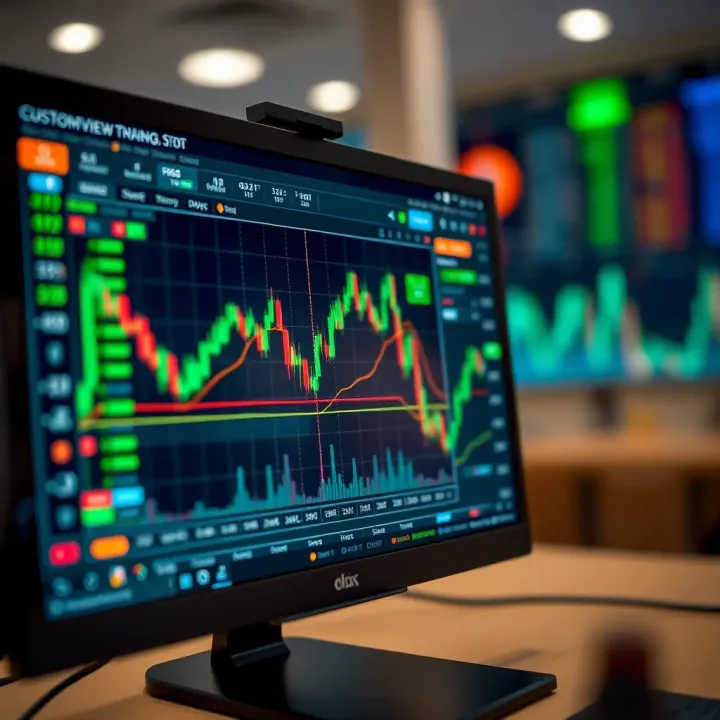
Your choice depends on whether you trade for minutes or months. Short-term traders rely heavily on detailed charts like candlesticks or Renko for quick price action insights. Meanwhile, long-term investors might prefer line charts or weekly candlesticks, focusing on broader trends rather than day-to-day swings. In Kenya, retail investors saving for long-term goals may opt for less detailed charts to avoid getting distracted by noise.
Scalpers and day traders need charts that display price changes clearly and update quickly. Candlestick and Heikin-Ashi charts are popular here because they offer visual clues about momentum and reversals within short timeframes. For instance, a scalper trading Safaricom shares may use 1-minute candlestick charts to enter and exit trades rapidly, minimising risk during Nairobi's market hours.
Swing traders holding positions for days to weeks usually combine chart styles and indicators. They often prefer candlestick charts with overlays such as moving averages to confirm trends. For fundamental analysis, they review chart patterns over longer periods, making weekly or daily charts more practical. Kenyan traders analysing companies listed on NSE might also combine chart insights with quarterly results announcements for fuller market perspective.
Selecting the right chart type sharpens your trading edge—matching it to your style can save time and improve your analysis.
Understanding these chart options enables you to tailor your TradingView experience towards what works best for your trading goals and market focus.
Technical indicators and drawing tools are vital for making sense of market data on TradingView. They help traders identify trends, reversals, and entry or exit points, offering a clearer picture than price movement alone. For Kenyan traders, who often navigate volatile markets and time constraints, these tools simplify decision-making and improve accuracy.
Moving averages (MA) serve as a foundation for many trading strategies. They smooth out price data to highlight the overall trend. For example, a 50-day moving average can show whether a stock is generally trending upwards or downwards. Kenyan traders can use MAs to avoid knee-jerk reactions to short-term price fluctuations and focus on sustained market direction instead.
Relative Strength Index (RSI) measures the momentum of price changes. It swings between 0 and 100, with common thresholds at 30 (considered oversold) and 70 (overbought). If the RSI hits above 70, it might mean the asset is overbought and due for a pullback. Kenyan investors dealing with forex or NSE stocks could use the RSI to gauge if a price rally is likely to slow down, helping them time their trades better.
Bollinger Bands and MACD combine different types of indicators for a fuller market view. Bollinger Bands create dynamic support and resistance levels around price by adding and subtracting a standard deviation from a moving average. If the price touches the upper band, it may signal overextension. Meanwhile, the MACD (Moving Average Convergence Divergence) shows changes in trend strength by crossing moving averages. Together, these tools can help Kenyan traders confirm trends and spot possible reversals in markets like FX or oil.
Applying indicators on TradingView is straightforward. After opening a chart, you click on the 'Indicators' icon and select the desired tool from the list. This quick access means traders can experiment with different indicators to find those that suit their style without hassle.
Customising indicators allows precision tailored to specific market conditions. For instance, adjusting the period length on a moving average or modifying RSI thresholds can make signals more relevant to the asset or trading timeframe. Kenyan traders often tweak settings to match the NSE or forex market hours or volatility patterns.
Combining indicators is a savvy way to avoid false signals. For example, crossing a moving average with an RSI threshold might trigger entry only when both confirm a trend. This combination helps Kenyan traders reduce losses in unpredictable markets by relying on stronger signal confirmation.
Trend lines and support/resistance levels are basic yet powerful drawing tools. Drawing a line along recent lows or highs can reveal where price might bounce or break through. Kenyan traders frequently use these lines to plan buy or sell points when the market looks rough or too fast-moving.
The Fibonacci retracement tool breaks down price moves into key percentages, often indicating potential reversal spots. Kenyan traders apply it during swings in currency pairs like USD/KES or equities to estimate where to expect price pullbacks and position themselves accordingly.
Using shapes and annotations on charts clarifies ideas visually. Circling a breakout area or adding notes about economic events (like CBK policy changes) can help keep track of what’s happening. This comes in handy for Kenyan investors juggling multiple trades and information sources.
Combining technical indicators with drawing tools on TradingView gives Kenyan traders a clearer understanding of market action, boosting confidence and aiding smart decision-making in active markets.
For Kenyan traders, mastering how to use TradingView charts goes beyond just reading price movements. Practical tips help make the platform more efficient and suited to local trading conditions. These tips improve decision-making, manage data costs which can be high with mobile internet, and integrate TradingView with brokers many traders already use. Let’s break down some of the key ways Kenyan traders can get more value from TradingView.
Creating custom alerts lets you receive notifications when a specific price level or indicator condition is met. For example, if you follow Safaricom (NSE: SCOM) shares and want to buy if the price dips to KSh 25, you can set an alert for that level. This way, you don’t have to watch the chart all day.
TradingView allows you to customise alerts on indicators like RSI or moving averages. This flexibility means you can track trends or signals that match your trading strategy.
Notifications through mobile and email keep you connected even when away from your computer. Notifications come directly to your phone via the TradingView app or through email. This is handy for busy traders in Nairobi markets or those who commute long distances using matatus, allowing quick reaction to market moves.
Getting prompt alerts helps avoid missing trades due to slow manual chart checks. For example, a trader might get notified of a breakout during the Kenya Commercial Bank’s earnings release and act fast.
Using alerts to stay active in the market means you can manage multiple instruments or strategies simultaneously without staring at screens 24/7. Alerts act as your assistant, telling you when it’s time to enter or exit trades.
This is especially valuable for day traders in Kenya who need to juggle work and family. Instead of missing an opportunity because you are offline or at a choma joint with friends, the alerts keep you in the game.
Supported brokers in Kenya include some international platforms accessible locally like Interactive Brokers or local ones with API integrations. However, many brokers in Kenya do not yet fully support direct TradingView trading.
Kenyan traders often use local brokerages like African Alliance or Britam for equities, which might not have direct links with TradingView. Still, data can be used from TradingView for analysis, then trades placed manually on these platforms.
Using TradingView for decision-making alongside local platforms means Kenyan traders can do technical analysis on TradingView’s advanced charts, then execute trades using the broker’s website or apps.
For example, a trader analysing Jubilee Holdings on TradingView can view trends and indicators, then log in to their broker’s portal like KCB Capital to place orders. This dual approach maximises TradingView’s analytic features while navigating local broker limitations.
Limitations and workarounds are common. Not all Kenyan brokers offer seamless API connections to TradingView, meaning no direct trade execution on the chart.
Workarounds include manual order entry, exporting analysis screenshots, or using TradingView alerts to remind you when to place the trade manually. Some traders pair TradingView with platforms that allow integration like MetaTrader 4 or 5, if available locally, to bridge this gap.
Optimising TradingView settings for slow connections helps many Kenyan traders who face unreliable internet or expensive data bundles. Turning off unnecessary visual effects, limiting the number of indicators shown, and using lightweight chart styles reduces data use.
TradingView also allows you to lower the chart update frequency, which saves bandwidth without losing critical information during off-peak hours.
Offline analysis tips are useful when internet access is limited. Downloading TradingView’s chart snapshots or printing charts allows you to study patterns without being online.
You can also plan trades during free Wi-Fi access at duka or internet cafes, then execute trades later when connected.
Balancing mobile internet expenses with trading needs is critical for many Kenyan traders using mobile money like M-Pesa to pay for internet bundles.
TradingView’s free version offers plenty for casual traders, but upgrading to paid plans should be weighed against data costs. Using data-saving browsers or apps, and timing trading activities to avoid peak data rates, can keep expenses manageable.
Staying savvy about how to manage alerts, broker integration, and data costs can make TradingView an effective tool for Kenyans regardless of their location or budget. Practical adjustments go a long way.
By applying these hands-on tips, Kenyan traders make TradingView more user-friendly and suitable to local realities, improving their chances of making smart trades and staying ahead in the market.
Mastering TradingView charts involves more than just knowing the tools; it requires consistency, confidence, and integrating different forms of analysis. Kenyan traders who combine technical skills with practical market knowledge stand a better chance at making informed decisions and managing risks effectively. This final section highlights three key areas that help traders make the most of TradingView’s capabilities.
Practice and backtesting features are fundamental for building confidence. TradingView allows you to test your trading strategies against historical data without risking real money. For example, you might backtest how a moving average crossover strategy would have worked on the NSE 20 index over the last six months. This hands-on approach helps identify which signals work best and conditions to avoid, creating a rhythm and trust in your analysis.
Backtesting is particularly useful for new traders in Kenya who want to avoid guesswork. It also sharpens decision-making by revealing how strategies perform under different market conditions, such as during Kenya’s election cycles or various rainy seasons, which can influence market behaviour. Regular practice with these tools builds a steady habit, reducing impulsive trades driven by emotions.
Combining chart analysis with market news strengthens your understanding of why prices move. Charts show patterns and trends, but news adds context. For example, a sudden drop in Safaricom shares on your chart might coincide with a new regulatory announcement by the Communications Authority of Kenya. Linking the two can prevent misreading signals.
Kenyan traders must keep track of local economic updates like Central Bank of Kenya (CBK) monetary policies or Kenya Revenue Authority (KRA) tax changes. These factors often affect market sentiment, which charts alone don’t capture. Integrating news feeds with technical data provides a fuller picture, helping traders make better entry and exit decisions.
Continual learning and community support can dramatically improve trading skills over time. Following Kenyan and international trading forums or joining groups on WhatsApp and Telegram keeps you updated and exposes you to diverse viewpoints. Interacting with experienced traders helps you pick up tips on using TradingView features more effectively and staying aware of market trends.
TradingView itself has an active community that shares custom indicators, strategies, and analyses. Engaging with these resources can inspire you to refine your approach. Learning isn’t just about formal study; it’s about observing patterns, asking questions, and practising regularly with a network that challenges and supports you.
Staying consistent and informed using TradingView charts equips Kenyan traders to navigate markets confidently, balancing technical skills with real-world market insights.
By focusing on these three aspects—practice and backtesting, combining charts with news, and ongoing learning with community participation—you create a strong foundation. This approach makes your TradingView use more than a tool; it becomes a critical part of your trading success.
Explore how Binary.com works for Kenyan traders 🇰🇪. Learn about account setup, trade types, security, payments, and regulations to trade smartly and safely.
Explore Deriv Hub for Kenyan traders 📈: tools, account tips, security, & support all designed to boost your online trading experience!
Explore Deriv broker’s features, platforms, and account options designed for Kenyan traders 🇰🇪. Learn about payments, support, and regulations for smart trading decisions 📊.
Explore Deriv accounts with this practical guide for Kenyan traders 📊. Learn setup, funding, trading tips, security, and key regulations for smarter decisions.
Based on 5 reviews