
Trading Accounts in Kenya: What You Need to Know
📈 Learn how to open and manage a trading account in Kenya. Understand types, fees, and tips to trade stocks and bonds securely with confidence.
Edited By
Oliver Hughes
Indices trading is becoming an appealing option for Kenyan investors seeking to diversify their portfolios beyond individual shares. Unlike buying stock from a single company, trading indices involves buying or selling baskets of stocks that represent a broader market segment or economic sector.
For example, the NSE 20 Share Index captures the performance of 20 leading companies listed on the Nairobi Securities Exchange (NSE). By trading this index, you get exposure to multiple sectors like banking, manufacturing, and telecommunications without having to buy each stock separately. This makes it easier to spread risk across different companies and industries.
Key to indices trading is understanding that the index value is calculated based on the combined prices of its component companies. When the overall market sentiment is positive, the index rises; when sentiment is negative, the index falls. You can trade indices through contracts for difference (CFDs), futures, or exchange-traded funds (ETFs) offered by brokers accessible in Kenya.
Trading indices lets you capture market movements quickly and efficiently, especially when individual stock picking seems complex or risky.
Some popular global indices available to Kenyan traders include the S&P 500 (USA), FTSE 100 (UK), and Nikkei 225 (Japan). Accessing these broad markets can help hedge against local economic shifts or take advantage of opportunities abroad.
Diversifies risk by tracking multiple stocks
Requires less capital compared to buying all constituent shares
Offers liquidity for entering and exiting positions quickly
Indices can still experience volatility with economic changes
Trading on margin or leverage can amplify losses
In Kenya, you can start trading indices using local brokers integrated with platforms like M-Pesa for easy funding. Some brokers also provide demo accounts to practise without risking real money.
Understanding how indices reflect market health and learning practical trading methods will help you make better investment decisions. This guide will explore the workings of indices trading, benefits, risks, and how Kenyan investors can participate securely and smartly.
Understanding what indices trading involves is essential for Kenyan investors aiming to diversify their portfolios beyond individual stocks. Unlike buying a single company’s shares, indices represent a collection of stocks that mirror the performance of a particular market or sector. By trading indices, investors tap into broader market trends without having to pick individual winners or losers.
Several well-known indices set the pace for global markets. For instance, the S&P 500 represents 500 large U.S. companies selected for their market size, liquidity, and sector representation. The FTSE 100 tracks the top 100 companies listed on the London Stock Exchange, focusing primarily on British multinational firms. In Asia, the Nikkei 225 covers 225 of Japan’s leading stocks. These indices give investors a snapshot of how an entire economy or sector performs without having to follow each company individually.
From a Kenyan perspective, the NSE 20 Share Index serves a similar purpose locally, tracking 20 blue-chip companies listed on the Nairobi Securities Exchange. Knowing these indices helps investors understand wider market shifts both globally and at home.
Indices play a vital role as benchmarks for investors and fund managers. They allow comparison of a fund’s performance against the overall market. Beyond benchmarking, indices facilitate the creation of index-tracking products like exchange-traded funds (ETFs) and derivatives, enabling investors to gain exposure to whole market segments efficiently.
For Kenyan investors, indices reduce the need to research dozens of individual shares, offering a simpler yet comprehensive approach to market participation. This becomes especially useful when liquidity or access to certain sectors is limited.
When you trade single stocks, your gains or losses depend solely on that company's fortunes—its earnings, management, and external factors. Indices, however, spread that risk over many companies, smoothing out individual stock volatility. For example, a drop in one major company’s stock might be offset by gains in another within the same index.
This broad exposure means indices often provide a more stable investment option compared to single shares, which can be quite jumpy. That said, indices still react to economic and geopolitical events impacting the whole market.
Kenyan investors can trade indices through various products:
Contracts for Difference (CFDs): These allow you to speculate on price movements without owning the underlying assets. CFDs provide leverage but can amplify both profits and losses.
Exchange-Traded Funds (ETFs): ETFs track an index’s performance and trade on stock exchanges like a regular share, offering straightforward access to indices.
Futures Contracts: These are agreements to buy or sell an index at a set price on a future date. Futures are mostly used by advanced traders due to their complexity and risk.
Choosing the right vehicle depends on your risk appetite, investment horizon, and access to trading platforms. For most Kenyan investors starting out, ETFs offer a practical entry while CFDs provide more flexibility for active trading.
Trading indices unlocks access to whole market segments, offering diversification without overwhelming the investor with stock picking. However, understanding the different trading methods is key to managing risks effectively.
By grasping these fundamentals, Kenyan traders can integrate indices trading into their investment strategies more confidently and with clear expectations.
Kenyan investors are increasingly exploring indices trading as a way to broaden their portfolios beyond single stocks. Trading indices lets you invest in a group of stocks reflecting a whole segment of the market, which provides more stability compared to picking individual shares. It offers practical benefits, such as reducing risk while giving exposure to overall market trends.
When you trade indices, you are effectively spreading your investment across a basket of stocks, which helps reduce the risk tied to any single company’s performance. For example, investing in the NSE 20 Share Index means you are backing 20 different companies, so poor results from one firm won’t drag your whole investment down. This diversification lowers the chance of big losses, especially in volatile markets where certain sectors or companies might struggle while others perform well.

This approach is quite useful for Kenyan investors who face unpredictable market shocks or sector-specific risks like fluctuations in the banking or telecom sectors. Instead of putting all your eggs in one basket, indices give you a broader, more balanced exposure.
Indices trading offers a shortcut to tapping into the general direction of major economies or sectors without having to analyse each stock individually. For example, by trading international indices like the S&P 500 or FTSE 100, Kenyan investors can gain exposure to large parts of the US or UK economies. This is particularly helpful when you want to benefit from global economic growth or hedge against local market downturns.
Moreover, indices often reflect economic changes faster and with more stability than individual stocks because they are less prone to sudden shifts from corporate news. This means that trading indices can be an efficient way to gauge and act on broad market moves.
Many Kenyan investors traditionally focus on the Nairobi Securities Exchange (NSE), which is limited to around 70 listed companies. Trading indices can complement local equities by providing exposure to sectors or regions not well represented in the NSE. For example, an investor holding Safaricom and Equity Bank shares might trade the S&P 500 index to diversify into technology, healthcare, or industrial sectors.
Such diversification is crucial because Kenya’s local market can be less liquid and more affected by domestic factors like political cycles or regulatory changes. Adding indices to your strategy balances these factors with international market stability.
Indices trading platforms often offer leverage, allowing you to control a large position with a smaller deposit. This can magnify gains but also increases potential losses, so it needs careful risk management. Kenyan brokers often provide these facilities, making it easier for investors with limited capital to access global indices.
Besides, indices generally have higher liquidity than many individual stocks, especially those listed outside Kenya. This makes it simpler to enter or exit trades quickly at desired prices. For instance, trading the FTSE 100 or Nikkei 225 tends to have tight spreads and substantial daily volumes, which benefits Kenyan traders seeking efficient execution.
Trading indices can be a practical approach for Kenyan investors looking to diversify and access broader markets with relatively lower risks and better liquidity than single stocks.
Investing in indices can be rewarding, but it comes with its own set of risks and challenges. Kenyan investors need to understand these to protect their capital and trade wisely. This section breaks down the key concerns around market volatility, leverage, margin risks, and regulatory considerations.
Stock market indices react quickly to international developments. For example, if there’s political tension in major economies like the US, China, or the Eurozone, indices such as the S&P 500 or FTSE 100 often swing unpredictably. A recent case was the global supply chain disruptions during the COVID-19 pandemic that pushed markets into wild fluctuations. Kenyan traders exposed to these indices should monitor global headlines carefully, as external factors can have a sudden and significant impact on prices.
Volatility often spikes due to economic data releases like interest rate decisions from the US Federal Reserve or unexpected changes in crude oil prices. For instance, OPEC’s decisions influence energy-producing countries’ stock markets and worldwide indices. Currency fluctuations, particularly against the US dollar, also trigger swings because many indices are priced in dollars. For a Kenyan trader, these triggers mean you can experience sharp gains or deep losses within short periods, so risk management is necessary when trading indices.
Indices trading often allows leverage — borrowing money to increase your trading position. While this boosts potential returns, it magnifies losses just as fast. Take a Kenyan investor who trades the NSE 20 Index with 10x leverage; a 5% drop in the index would translate to a 50% loss on their invested capital. Hence, leverage can quickly erode your funds if the market moves against you, making it vital to use leverage cautiously and understand the full exposure.
If your account balance falls below the required margin, your broker will issue a margin call, demanding more funds to maintain your positions. Failure to meet this can lead to forced closure of your trades at unfavourable prices. For Kenyan investors, this means keeping a close eye on margin requirements and maintaining adequate funds in your trading account to avoid sudden liquidation, especially during volatile market swings.
Working with brokers authorised by Kenyan regulators, like the Capital Markets Authority (CMA), is crucial. Licensed brokers comply with local rules, offer better investor protection, and usually provide transparent fees and secure platforms. Avoid unregulated outfits that promise unrealistic returns; they might be scams or unreliable, putting your money at risk.
Kenya’s regulatory framework governs financial trading to protect investors and ensure market integrity. Knowing the rules on leverage limits, reporting standards, and taxation on trading profits can help you avoid legal problems and unexpected costs. For example, profits from indices trading are subject to capital gains tax and may require proper declaration in your tax returns. Keeping updated on CMA advisories and using regulated trading apps can safeguard your investments.
Being aware of these risks helps you prepare better, manage your exposure, and make informed decisions when trading indices from Kenya.
By recognising the impact of market volatility, respecting leverage dangers, and choosing regulated platforms, you can approach indices trading more confidently and reduce avoidable surprises.
Trading indices from Kenya requires practical steps that connect you smoothly to global markets. Understanding how to choose the right platform, open an account, fund it using locally familiar methods like M-Pesa, and develop a solid trading plan can save you time and reduce risks.
Choosing a reputable broker is key to protecting your investment. Look for brokers licensed by local or international regulators such as the Capital Markets Authority (CMA) or the Financial Conduct Authority (FCA). Reputation matters because it influences how promptly your trades are executed and how your funds are secured. Pay close attention to fees including spreads, commissions, and withdrawal charges. For example, a broker may offer low spreads but high withdrawal fees, which can eat into your profits over time.
With Kenya's fast-paced lifestyle, mobile and online access to trading platforms is a must. Many brokers provide apps compatible with smartphones which let you monitor markets and trade on the go. This flexibility is especially useful in Nairobi or Mombasa, where internet connectivity is relatively stable but you might still be commuting or away from a desktop. A platform that is slow or crashes frequently can cost you opportunities or expose you to losses.
Funding your trading account should be simple and secure. Many brokers accept M-Pesa, Kenya's most popular mobile money service, because it offers quick deposits and withdrawals without the hassle of banks. Besides M-Pesa, some platforms accept bank transfers or card payments. For instance, Equity Bank or KCB customers can use mobile banking apps for direct account funding. Choosing a broker with local payment options gives you smoother cash flow management.
Before you start trading, expect to verify your identity to comply with anti-money laundering (AML) rules. This usually involves submitting a copy of your national ID or passport, proof of address like a utility bill, and sometimes a selfie for verification. These steps can feel tedious, but they help protect you and the broker against fraud. Completing verification promptly ensures you don’t miss market opportunities.
A clear trading plan sets the course for your investing journey. Decide what you want to achieve: a steady income from day trading, longer-term capital growth, or simply portfolio diversification. Next, define how much capital you are willing to risk per trade or in total. For example, some traders risk only 1-2% of their capital on each trade to manage losses effectively. Having these boundaries helps you stay disciplined and avoid emotional decisions.
Your trading strategy will depend on your goals and schedule. Day trading involves opening and closing positions within a single day, requiring close market monitoring and quick decisions. Swing trading holds positions from several days to weeks, aiming to profit from medium-term trends. Long-term investing focuses on market movements over months or years, suitable for building wealth steadily. Each approach demands different levels of time commitment and risk tolerance.
Starting indices trading in Kenya involves more than just technical know-how; it’s about choosing local-friendly platforms, using familiar payment methods, and having a solid plan. This foundation supports better trading results and more confidence as you engage with global markets.
For Kenyan investors keen on diversifying beyond local stocks, popular global indices offer a practical window into key markets across the world. Trading these indices means you tap into entire sectors or economies without picking individual companies. This not only spreads risk but also lets you follow trends in major financial centres like the US, UK, Japan, and of course, Kenya itself.
Different indices reflect various geographic regions and economic sectors. Kenyan traders can use these indices to balance local exposures, hedge against domestic market shocks, or simply seek new opportunities. Given the ease of access through online brokers supporting mobile platforms and M-Pesa payments, international indices are increasingly relevant.
The NSE 20 Share Index represents twenty of the largest and most liquid stocks listed on the Nairobi Securities Exchange (NSE). It includes companies from sectors such as banking, telecommunications, energy, and manufacturing. This index acts as a barometer for Kenya’s stock market health and economy.
For Kenyan investors, the NSE 20 is particularly important because it reflects local business performances and economic conditions. Tracking this index helps gauge market trends before diving into individual stocks or wider diversification abroad.
Trading the NSE 20 index can be done directly through Kenyan brokers offering derivatives or contracts for difference (CFDs). Additionally, local ETFs that track the NSE 20 allow investors to buy the index as a single security.
This approach suits investors wanting exposure to Kenyan large-caps without buying shares in each company. It also provides a way to trade on market movements quickly, using margin accounts where available. Understanding this index’s composition helps in making informed trading decisions with a local flavour.
The S&P 500 index tracks 500 leading US companies across various industries, making it a key gauge of the American economy. Many Kenyan traders pay close attention to its performance because the US market often sets global economic moods.
Investors interested in the S&P 500 can trade related ETFs or CFDs through brokers with international offerings. This index offers broad exposure to industry giants like Apple, Microsoft, and Amazon, providing a mix of stability and growth potential.
The FTSE 100 lists the top 100 companies by market capitalisation on the London Stock Exchange. It’s heavily weighted toward multinational corporations in finance, oil & gas, and retail.
Kenyan traders might use the FTSE 100 to hedge against or complement exposures in European markets or British-linked African businesses. The index moves with global commodity prices and currency trends, factors important to Kenya’s trade environment.
Focusing on Japan, the Nikkei 225 comprises 225 top firms listed on the Tokyo Stock Exchange. It offers insights into Asia-Pacific economic health, technology innovation, and export-led industries.
For Kenyan investors, the Nikkei provides diversification away from Western markets. Trading instruments tied to the Nikkei allow you to participate in Asia’s economic shifts, which can influence global supply chains that Kenya depends upon.
Combining the NSE 20 with these major international indices allows Kenyan investors to build portfolios that reflect both local realities and global trends. This mix can help manage risk and tap into growth opportunities across continents.
By understanding the composition and significance of these indices, you set a solid foundation for smarter trading and investing decisions from Kenya.
📈 Learn how to open and manage a trading account in Kenya. Understand types, fees, and tips to trade stocks and bonds securely with confidence.
📈 Discover how Kenyan investors can trade forex online confidently. Learn starting steps, smart strategies, risk control tips, Kenya's regulations & top platforms.
📊 Learn how volatility indices reveal market uncertainties in Kenya, helping investors manage risk and time trades with confidence in NSE and beyond.
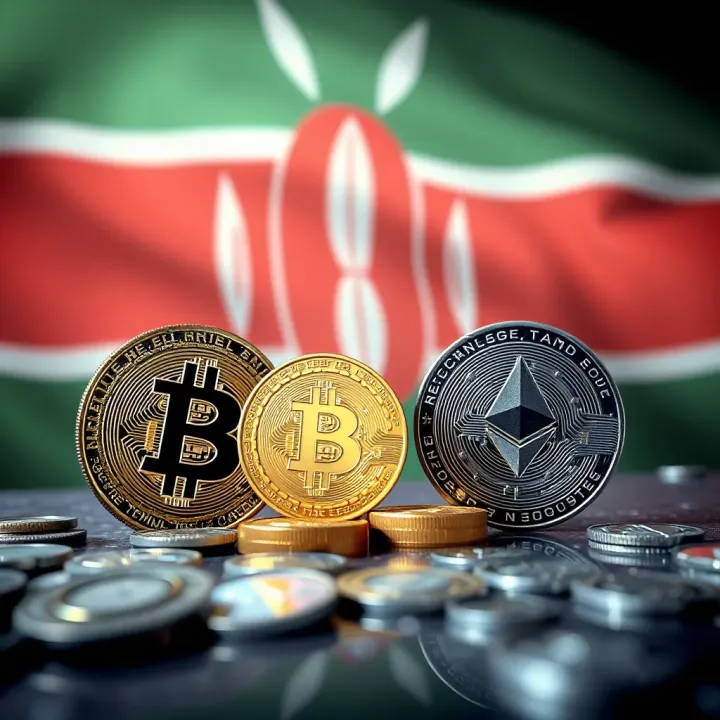
📈 Discover practical tips on cryptocurrency trading for Kenyan investors. Learn how to trade, spot risks, and make informed decisions in Kenya's digital market.
Based on 10 reviews