
Best Trading Apps for Kenyan Investors
📱 Explore the top trading apps in Kenya for stocks, forex & crypto. Learn about fees, security, and regulations to pick the best app for your needs.
Edited By
Daniel Price
Online forex trading has grown popular among Kenyan investors looking to diversify their portfolios beyond traditional assets like real estate and stocks. The foreign exchange (forex) market is the largest financial market in the world, with daily volumes exceeding $6 trillion. For Kenyans, this means there’s plenty of opportunity to access liquid currency pairs, including USD/KES, EUR/USD, and GBP/USD.
Forex trading involves buying one currency and selling another simultaneously, aiming to profit from changes in exchange rates. It differs from investing in shares or bonds because it is mostly short-term and influenced by global economic events, central bank decisions, and political developments.
For Kenyan traders, starting with online platforms provides flexibility and access to global markets from Nairobi, Mombasa, or even Kisumu.
Accessibility: You can start with as little as KSh 5,000 on platforms like HotForex, FXTM, or XM, which are popular among local traders.
Liquidity: The forex market operates 24 hours a day during weekdays, so you can trade anytime across Nairobi’s busy daytime or late night hours.
Diversity of Pairs: Beyond major pairs, many platforms offer exotic and regional currencies, including the Kenyan shilling against other African currencies.
It’s common to hear stories about quick riches in forex trading, but the reality is different. Forex requires skill, discipline, and effective risk management. Losses can happen just as fast as gains, especially when using leverage—which magnifies both profits and risks.
Pip: The smallest price move an exchange rate can make, usually 0.0001 for most pairs.
Leverage: Borrowed capital used to increase the size of a trade.
Spread: The difference between the buying and selling price.
Margin: The amount of money needed to open a leveraged position.
Understanding these terms and how online trading platforms handle them helps Kenyan investors avoid costly mistakes early on.
Taking time to learn, starting on demo accounts, and choosing regulators-supervised brokers will provide safer entry into online forex.
That said, this guide will walk you through clear, practical steps to trade forex successfully from Kenya, tailored to your local experience and market realities.
Grasping the basics of forex trading online sets the foundation for Kenyan investors who want to navigate this complex market with confidence. Knowing how forex works helps traders make smarter decisions, minimise risks, and spot profitable opportunities. For instance, understanding currency dynamics can help a Nairobi-based trader know when to buy or sell the US dollar against the Kenyan shilling.
Forex trading essentially means exchanging one currency for another in pairs, like USD/KES or EUR/USD. Each pair shows how much of the second currency (quote) you need to buy one unit of the first currency (base). For example, if USD/KES is at 110, it means one US dollar costs 110 Kenyan shillings. This pairing system is important because all forex trades revolve around these pairs, and traders speculate on whether one currency will strengthen or weaken against the other.
Unlike stock markets, forex operates around the clock, five days a week, due to the global nature of the economy. Trading starts in Asia with markets in Tokyo, then moves to Europe, and finally the Americas. Because of this, Kenyan traders can access the forex market any time of day or night, fitting trading into their schedules easily. It also means prices can shift rapidly across time zones, presenting both opportunities and challenges.
The forex market is driven by several participants, including central banks, commercial banks, corporations, hedge funds, and retail traders like you. Central banks, such as the Central Bank of Kenya, influence forex rates through policies and interventions. Commercial banks handle large volumes of currency trades, while retail investors operate via brokers. Understanding these players' roles helps Kenyan traders better grasp market movements.
Forex trading offers flexible entry points. You don’t need a large capital to start; several brokers accept minimum deposits as low as KS,000. Plus, since trading is online, you can trade from Nairobi or Kisumu without needing physical offices. This accessibility has made forex popular among retail investors balancing it with jobs or small businesses.
While forex can be profitable, it’s also volatile. Prices can swing wildly within minutes, exposing traders to big losses if they aren't careful. For example, sudden political events can cause the Kenyan shilling to weaken sharply against the dollar, which might wipe out unprotected gains. Good risk management, such as using stop-loss orders, is essential to protect capital.
Forex rates react strongly to global happenings like US Federal Reserve decisions, oil price shocks, or regional conflicts. For Kenyan traders, these events can cause sudden shifts in USD/KES or other pairs. For instance, a rise in global oil prices tends to weaken the shilling because Kenya spends more on fuel imports, affecting overall currency stability. Staying updated with global news helps traders prepare and adjust strategies accordingly.
Understanding these key elements improves your sense of timing, risk control, and potential rewards in online forex trading. It’s not just about guessing prices, but knowing why and when they move.
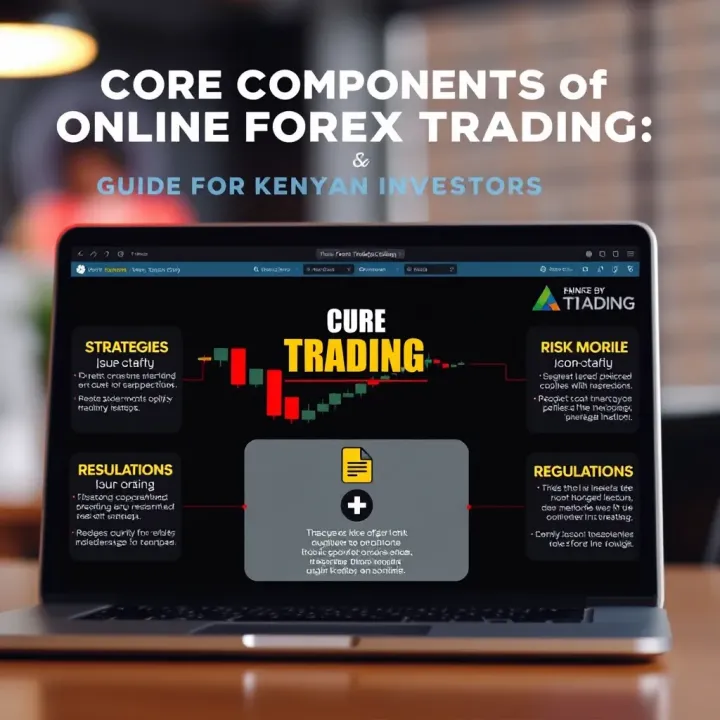
Beginning your forex trading journey is a key step to making informed and controlled investments in the global currency market. This phase sets the foundation for your success by helping you choose a trustworthy broker and properly organising your trading account. Without a reliable broker and a well-structured account, even the best strategies can fall through.
Factors to consider: regulation, spreads, commissions
Regulation is the first thing to check when selecting a forex broker. A regulated broker ensures your funds are safe and that the broker follows industry rules. In Kenya, the Capital Markets Authority (CMA) monitors brokers, so opting for a CMA-licensed platform offers some peace of mind. Besides regulation, look closely at spreads—the difference between buying and selling prices—and commissions. Narrow spreads reduce trading costs, which is especially important if you trade frequently or with smaller amounts.
Popular brokers accessible in Kenya
Several international brokers operate in Kenya and accept local traders. Examples include HotForex, XM, and IG Markets, known for good customer service and offering Swahili-language support sometimes. Choosing these brokers means you can fund accounts using Kenyan payment methods and expect compliance with regulation. These brokers also tend to offer educational resources tailored for Kenyan investors, a big plus when starting out.
How to verify broker authenticity
To avoid scams, verify if the broker is on the CMA website or similar regulatory registers. Check for clear contact details, proper licensing statements, and good online reviews from actual Kenyan users. Avoid brokers that promise guaranteed returns or pressure you for large deposits. Remember, if the broker lacks verifiable credentials, it’s safer to steer clear.
Account types and minimum deposits
Online brokers often provide several account types to fit different traders. For instance, micro-accounts with minimum deposits as low as KSh 1,000 let you start small with limited risk. On the other hand, standard or VIP accounts may offer better trading conditions but require higher deposits like KSh 50,000 or more. Knowing your budget and risk appetite will help pick the right account type.
Funding your account via M-Pesa and bank transfers
Convenient funding is crucial. Most brokers now accept M-Pesa payments, which is hugely popular in Kenya, making deposits instant and hassle-free. Bank transfers are another option but may take longer and incur fees depending on the bank. Always ensure your broker supports these payment methods to avoid delays in starting trades.
Using demo accounts to practice
Before risking real money, practise with a demo account, which simulates live trading without financial risk. This helps you understand platform features, test strategies, and gain confidence. A couple of weeks with a demo often prepares you better, reducing mistakes when you eventually trade with real funds.
Starting your forex journey carefully with the right broker and account setup sets the stage for long-term trading success. It keeps risks manageable and gives you hands-on experience with minimal cost.
Understanding forex trading strategies is vital for Kenyan investors aiming to navigate currency markets effectively. These strategies guide traders on when to enter or exit trades, help manage risks, and increase the chance of making consistent profits. We'll focus on three main areas: fundamental analysis, technical analysis, and risk management.
Economic indicators are data points that reflect a country’s economic health and influence its currency value. Examples include inflation rates, interest rates, GDP growth, and unemployment figures. For instance, if Kenya’s Central Bank raises interest rates, this could strengthen the Kenyan shilling against other currencies because higher rates attract foreign investments seeking better returns.
Paying close attention to these indicators helps traders anticipate movements in currency pairs. A strong economic report from the US like a low unemployment rate might boost the US dollar, affecting forex pairs such as USD/KES. Kenyan traders monitoring these reports can make more informed decisions rather than relying on guesswork.
Forex markets react swiftly to global events such as geopolitical tensions, trade deals, or natural disasters. For example, uncertainty around elections in a major economy can cause currency volatility. Similarly, changes in oil prices impact oil-exporting countries’ currencies.
As a Kenyan trader, keeping up with reliable news sources is practical. Using trading platforms or apps that provide economic calendars and news updates can help you time trades better, avoiding surprises that could wipe out profits or increase losses.
Technical analysis involves studying price charts to identify patterns or trends that suggest future movements. For example, an upward trend in EUR/USD might encourage buying, while a downward trend warns to sell or stay out.
Charts can be line, bar, or candlestick, each providing different visual cues. Candlestick patterns like "Doji" or "Hammer" often signal potential market reversals. Traders in Kenya commonly use MetaTrader, which offers these tools for free, making it accessible and practical.
Indicators like Moving Averages, Relative Strength Index (RSI), and Bollinger Bands help traders spot overbought or oversold conditions and momentum shifts. For instance, if RSI shows a currency is overbought, it may soon drop, suggesting a sell position.
While no indicator guarantees success, combining several can increase confidence in your trades. Kenyan investors benefit from starting with simple indicators before moving to complex strategies.
Stop-loss orders limit potential losses by automatically closing a trade when the price reaches a set level. Take-profit orders secure profits by closing a trade once a target price is hit. For example, if you buy USD/KES at 110, setting a stop-loss at 108 protects you if shilling strengthens unexpectedly.
These tools prevent emotional trading decisions, which often lead to bigger losses. Kenyan traders should always use stop-loss orders to guard their capital, especially when starting.
Adjusting the size of each trade helps ensure that no single loss devastates your account. A common rule is risking only 1–2% of your trading capital on any trade. So, with a KSh 100,000 account, risking KSh 1,000–2,000 per trade limits exposure.
This approach keeps you in the game longer, giving room to recover from losses. Beginners in Kenya should avoid risking large portions of their capital on single trades, which can quickly lead to wipeouts.
Establishing clear strategies and disciplined risk management is the backbone of successful forex trading, especially amid the volatility common in global and Kenyan markets.
These strategies combined give Kenyan investors a solid footing to trade forex thoughtfully and with clearer control over their financial outcomes.
Understanding the regulatory environment and ensuring strong security measures are vital for anyone trading forex in Kenya. These factors protect your investments, safeguard your personal information, and help avoid common pitfalls faced by traders. This section explains Kenya’s specific setup and key security tips to keep your trading journey safe.
The Capital Markets Authority (CMA) is the primary regulator overseeing forex trading activities within Kenya. It sets clear rules to make sure forex brokers operate fairly, transparently, and maintain healthy standards. For instance, CMA requires brokers to keep client funds in segregated accounts, protect client data, and provide clear information on fees and risks. This helps prevent misuse of funds and unfair trading practices.
Without such regulations, investors might fall prey to unlicensed or fraudulent brokers. The CMA regularly updates its list of licensed forex brokers, making it easier for traders to spot legitimate firms. This regulatory framework also offers channels for dispute resolution if issues arise between traders and brokers.
Dealing with CMA-approved brokers carries significant advantages. These brokers have met financial and operational standards set by the regulator, which reduces the risk of losing money due to broker insolvency or misconduct. For example, brokers like EGM Securities and Africans Trading Network are CMA-approved, giving Kenyan traders confidence in their service and accountability.
Moreover, CMA approval means brokers comply with anti-money laundering (AML) and know-your-customer (KYC) policies. This protects the ecosystem from illegal financial activities and promotes a trustworthy trading environment. If a broker isn't on the CMA list, it’s safer to stay clear, even if they offer attractive promotions.
Protecting your login credentials is the first line of defence against hackers and unauthorised access. Always use strong, unique passwords and update them regularly. Avoid using obvious details like birthdays or common words. Enabling two-factor authentication (2FA) adds an extra security layer by requiring a second form of verification, such as a code sent to your mobile phone.
Also, be cautious about where you trade. Using public Wi-Fi or unsecured networks exposes your account to cyber threats. Stick to trusted devices and networks when accessing your trading platform. Kenyan traders might find it tempting to log in from a duka or internet café, but this carries risks that could cost dearly.
Recognising and avoiding scams is essential to protect your funds. Common fraud schemes include fake brokers, phishing emails pretending to be from your broker, and calls promising guaranteed profits. Be suspicious if you receive unsolicited offers or requests for upfront payments outside the trading platform.
Always verify broker communication channels and never share your credentials or PINs with anyone. For added protection, regularly check your account statements and withdrawal records for unusual activity. If you spot anything suspicious, report it immediately to your broker and the CMA.
Staying informed and vigilant can save you from common forex trading pitfalls. Regulators like CMA and good security habits work hand-in-hand to protect your forex trading experience.
This guidance strengthens your footing in forex trading by clarifying regulatory protections in Kenya and highlighting practical ways to secure your trading account. With this knowledge, Kenyan investors can trade with greater peace of mind and focus on building their trading skills.
Technology plays a big role in forex trading today. For Kenyan investors, having the right tools and platforms makes trading more accessible, faster, and more efficient. Traders can analyse markets in real-time, execute orders quickly, and manage their accounts from anywhere across the country. The right technology helps reduce errors and improves decision-making, crucial in a market that moves quickly.
MetaTrader and cTrader are two of the most popular trading platforms in Kenya. MetaTrader 4 (MT4) and MetaTrader 5 (MT5) are well-known for their user-friendly interface and extensive charting tools. Many brokers in Kenya offer MT4 or MT5 because they suit both beginners and experienced traders. On the other hand, cTrader provides a more advanced trading experience with features like level II pricing and a sleek design. Both platforms support automated trading, multiple order types, and provide access to dozens of currency pairs.
These platforms offer practical benefits, such as allowing traders to open and close trades effortlessly, monitor multiple currency pairs, and apply technical analysis tools. For instance, a retail trader can use MT4’s built-in indicators like the Relative Strength Index (RSI) or Moving Averages to spot trading opportunities. Kenyan traders also appreciate that these platforms often come with educational resources and community support.
Mobile trading apps are essential in Kenya, where many users rely on smartphones for online activities. Both MetaTrader and cTrader have mobile versions that allow traders to monitor the market and trade on the go. This is particularly useful for those who travel between towns or spend time away from a desktop computer.
Mobile apps also provide notifications for price changes and trade updates instantly. This ensures Kenyan traders don’t miss critical market movements even when away from their desks. Accessing the platform via mobile means traders can react quickly to global news or economic reports affecting forex rates, keeping their strategies agile and timely.
Charting software is the backbone of technical analysis. Tools embedded in platforms like MetaTrader let traders plot price movements and spot patterns such as head and shoulders or double tops. These visual signals help traders understand market sentiment and potential price reversals.
Indicators like Moving Averages, Bollinger Bands, and the MACD (Moving Average Convergence Divergence) give quantitative insights to back trading decisions. For example, a Kenyan trader monitoring the USD/KES pair may use these indicators to confirm whether the shilling will strengthen or weaken based on recent price trends.
Automated trading and expert advisors (EAs) provide a way to trade without constantly watching the markets. EAs are pieces of software programmed to execute trades based on pre-set criteria. They can help Kenyan traders stick to strategies by opening and closing trades automatically, removing emotional decisions that often cause losses.
While automation offers convenience, it requires careful setup and monitoring. Not all strategies perform well under every market condition, so traders should test their EAs on demo accounts before running them live. Using automation as a supplementary tool can improve discipline and efficiency for Kenyan forex traders.
Successful forex trading in Kenya depends not only on knowledge but also on using technology and tools wisely. Picking the right platform and smartly applying analysis and automation can make a real difference.
📱 Explore the top trading apps in Kenya for stocks, forex & crypto. Learn about fees, security, and regulations to pick the best app for your needs.
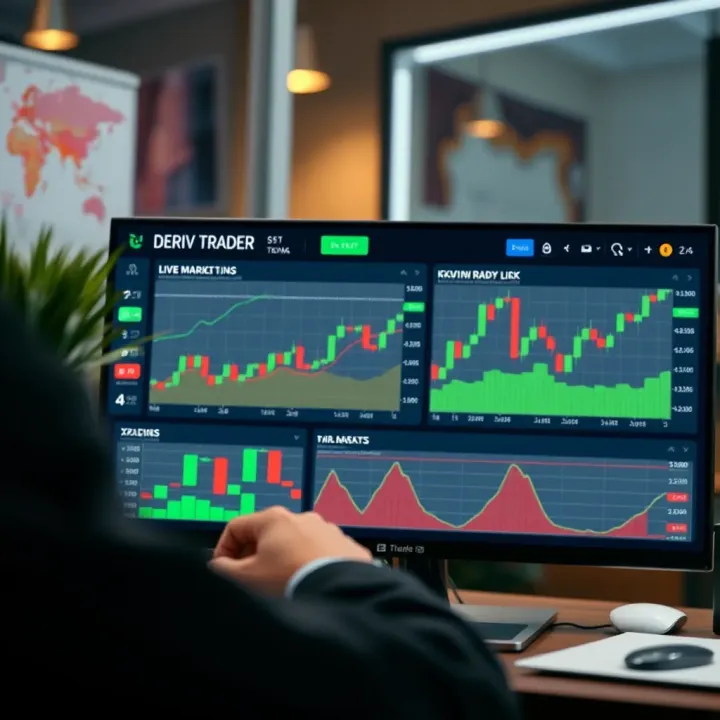
Explore Deriv Trader in Kenya 🇰🇪! Learn to set up accounts, trade smartly, manage risks, and stay compliant with this easy, hands-on guide 📈💡.
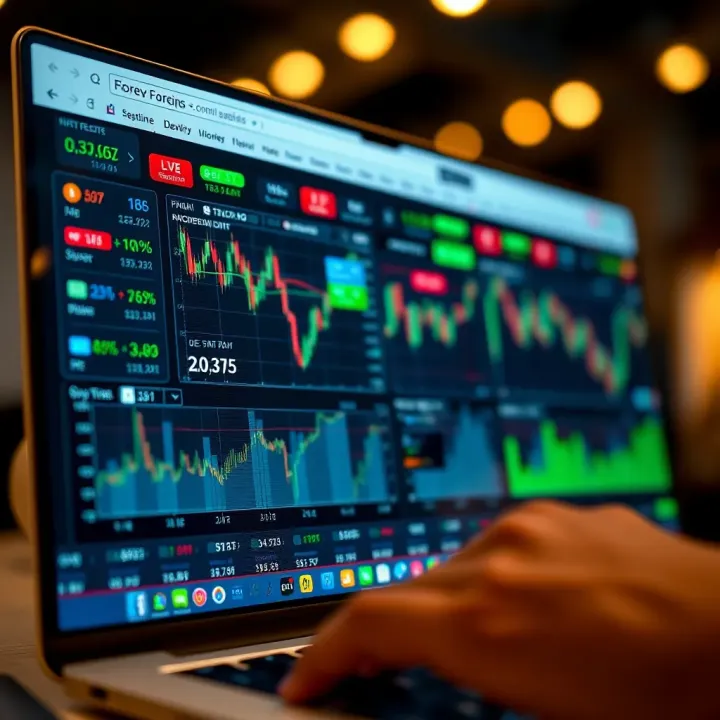
Explore Deriv forex trading 🇰🇪 with this detailed guide: platform features, forex instruments, strategies, and smart risk management tips for Kenyan traders.
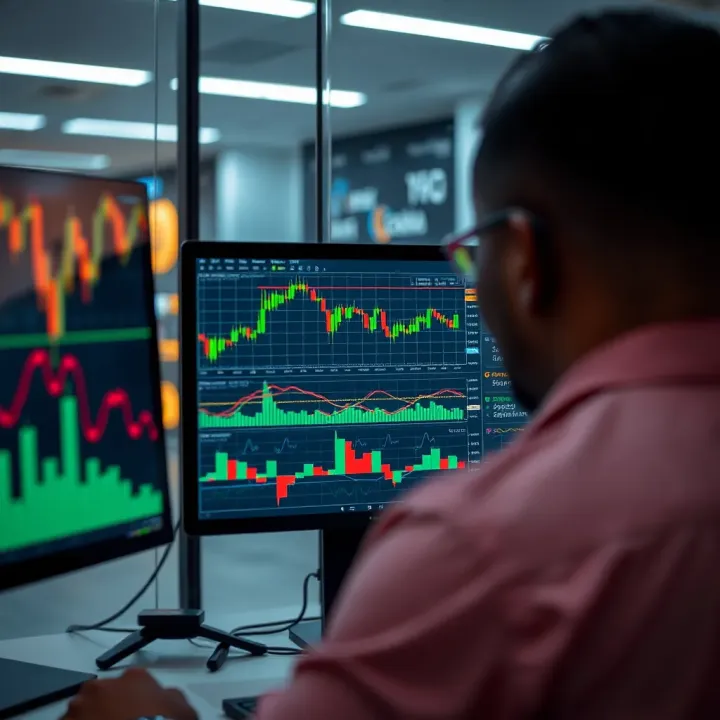
🤖 Explore bot trading in Kenya: learn how automated software executes trades, the benefits, risks, and tips for effective use in local markets today!
Based on 7 reviews