

How to Sign In to Deriv: A Kenyan User's Guide
🔐 Learn how Kenyan users can easily create a Deriv account, stay secure, troubleshoot common issues, and navigate the platform smoothly. 📱
Edited By
Oliver Grant
Trading on Deriv offers Kenyan traders an accessible way to explore financial markets from the comfort of their homes. Deriv, known for its straightforward platform and flexible options, lets you trade currencies, commodities, indices, and even synthetic markets. This guide walks you through the key steps to start trading effectively while keeping local considerations in mind.
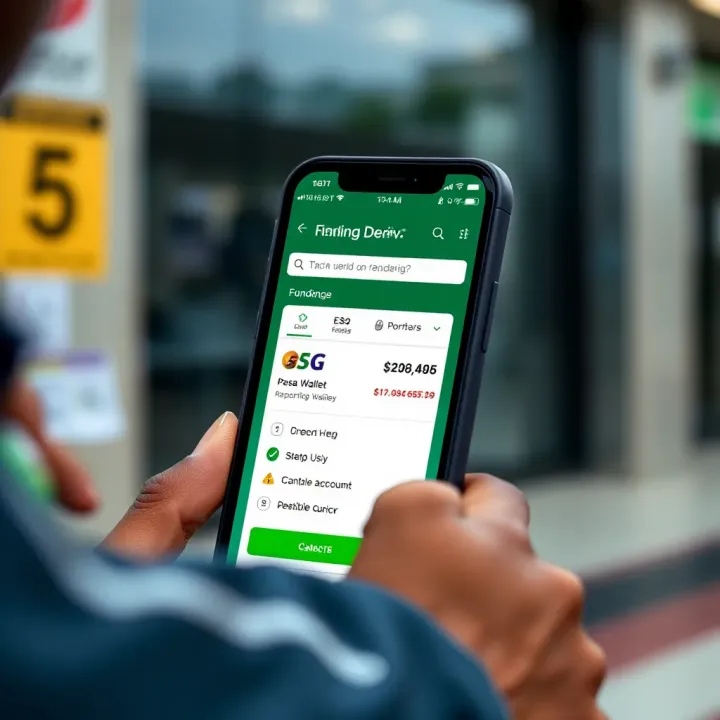
Setting up your Deriv account is simple and requires basic information such as your full name, email, and phone number. Verification is quick, making it easier for Kenyan traders to get started without unnecessary delays. Once registered, you can fund your wallet using convenient local methods like M-Pesa, bank transfers, or card payments. Funding with M-Pesa offers a smooth experience, ensuring your money moves securely and swiftly.
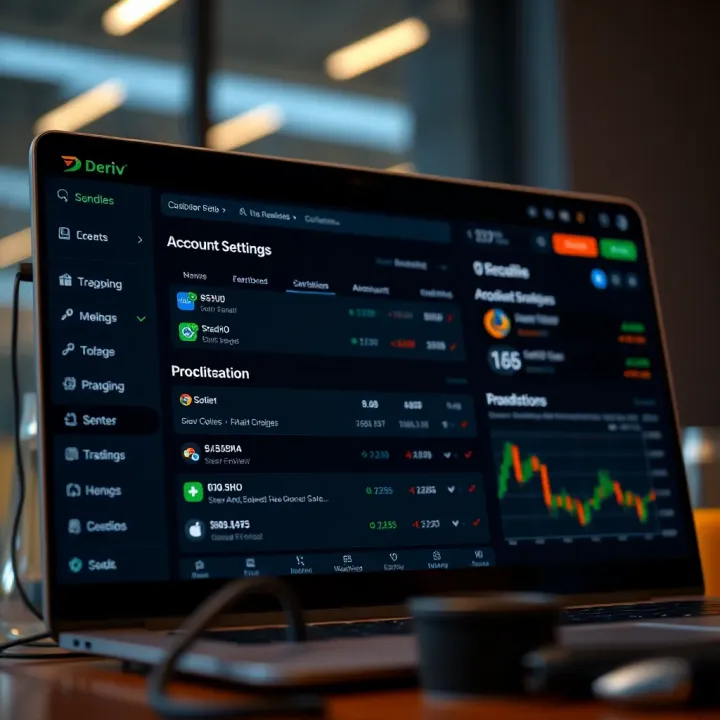
Deriv’s trading environment supports multiple options, including Forex pairs, commodities like gold and oil, and indices reflecting global markets. For Kenyans, trading synthetic indices is appealing because it runs 24/7 and doesn't rely on real-world events. This offers more flexibility around busy schedules or when international markets are closed.
Successful trading depends on understanding your risk. Deriv provides useful tools like stop-loss orders and limits to help you protect your capital. It’s wise not to risk more than a small portion of your trading wallet on any single trade.
Apart from the platform’s features, Kenyan traders should note currency risks—since deposits and withdrawals often happen in Kenyan Shillings (KSh) but trades might be in USD or other currencies. Keep an eye on exchange rates to avoid surprises.
Here are some key tips to begin with:
Start small: Use demo accounts first to practise without risking real money.
Learn continuously: Markets change fast; stay updated through Kenyan financial news or trusted global sources.
Set clear goals: Decide how much you want to grow your capital and accept losses.
Manage your funds: Only trade with money you can afford to lose.
Taking these steps will build your confidence and prepare you to trade smartly on Deriv, matching your goals and lifestyle.
Starting with Deriv is the first step towards tapping into online trading opportunities. For Kenyan traders, this stage is critical because it lays the foundation for secure, compliant, and smooth trading. When you get your account set up correctly and understand the funding options available locally, you save time and avoid common pitfalls related to verification and payments.
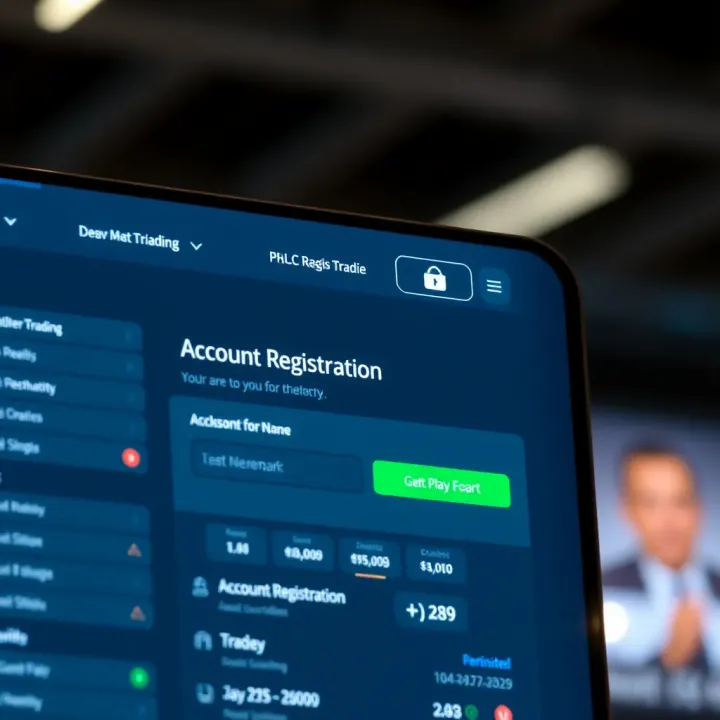
Creating an account on Deriv is straightforward. You begin by entering basic details such as your full name, email address, and creating a strong password. The platform then sends a verification email to confirm your identity, which helps prevent fraud and ensures that your account is uniquely yours. Signing up is free and gives you access to the demo account to try out trades without risking real money.
Kenyan users must complete Know Your Customer (KYC) verification before they can trade with real funds. This means submitting a government-issued ID such as a National ID card or passport, and proof of address like a utility bill or bank statement not older than 3 months. This requirement aligns with international financial regulations designed to fight money laundering and protect your account from fraud.
To boost your account security, activating two-factor authentication (2FA) is essential. This feature requires you to enter a code from an authenticator app or via SMS each time you log in. Using 2FA particularly protects your account from unauthorised access—something every Kenyan trader should prioritise, especially considering the increasing digital fraud cases.
Deriv offers several funding channels suitable for Kenyan traders. Besides traditional bank transfers, channeling funds through M-Pesa is common, as it is convenient and widespread in Kenya. Additionally, e-wallets like Skrill and Neteller are supported for those who prefer digital wallets for faster deposits and withdrawals.
M-Pesa deposits make it easy for Kenyans without international credit cards to fund their trading account. By linking your M-Pesa number to your Deriv account during deposit, you can move money in a few simple steps. Bank transfers are also an option but are usually slower and may incur higher fees, so M-Pesa remains the popular choice.
The minimum deposit on Deriv typically starts at around USD 5 or the equivalent in Kenyan Shilling (KSh), making it accessible for small-scale traders. You can hold your account in various currencies, but if you fund with KSh, expect some conversion depending on market rates. Choosing the right currency can help reduce unnecessary forex charges.
Starting correctly on Deriv with verified accounts and practical local payment options like M-Pesa can help Kenyan traders focus on strategies rather than technical bumps.
By understanding these basic steps, you’re well positioned to trade with confidence while keeping your funds and personal data safe. The next step is to familiarise yourself with the Deriv trading platform and explore available markets.
Understanding how to navigate the Deriv trading platform is key for Kenyan traders who want to make informed decisions quickly. The platform's layout and tools are designed to give you a clear view of the markets, enabling you to react swiftly as prices change. For example, being familiar with where to find your favourite instruments and how to interpret the dashboard keeps you ahead, especially during volatile market conditions.
The Deriv dashboard is the first place you’ll land after logging in, and it offers a straightforward summary of your trading activity, available markets, and news updates. The left-hand menu typically shows quick links to assets like forex, commodities, and synthetic indices, while the main area displays your active trades and account balance. This clear layout helps you avoid fumbling around, which can be costly when market moves happen fast.
Deriv offers a wide range of market instruments, from currency pairs like USD/KES to commodities such as gold and oil, as well as synthetic indices unique to the platform. Accessing these markets is just a few clicks away via the instrument menu. For Kenyan traders, having immediate access to these options means you can diversify your portfolio easily without switching platforms, which saves time and effort.
You can tailor your workspace on Deriv to fit your trading style and preferences. Features such as rearranging chart windows, choosing different chart types (like candlestick or line charts), and setting alerts for price levels empower you to trade more comfortably. For instance, if you prefer watching forex pairs more closely, you can prioritise them on your dashboard. Personalisation improves your focus and helps prevent mistakes caused by cluttered or irrelevant information.
Binary options on Deriv are straightforward trades where you predict whether an asset’s price will go up or down within a set period. Kenyan traders often find these appealing because they offer fixed risk and fixed reward, making it easier to manage stakes. For example, you might bet KS,000 that EUR/USD will rise in the next 30 minutes; if correct, you earn a profit based on the payout rate.
Multipliers let you amplify potential profits (and losses) by leveraging your stake, while Contracts for Difference (CFDs) allow you to speculate on price movements without owning the asset. On Deriv, multipliers are useful for traders confident in market trends, offering more exposure for less capital. CFDs suit those who prefer longer-term trades with the option to utilise stop loss orders to limit risk.
Selecting the right trade depends on your risk tolerance, trading goals, and market understanding. If you’re new or prefer simplicity, binary options offer predictable outcomes and ease of use. However, if you want more control and potential for higher returns, multipliers or CFDs might fit better but require knowledge and discipline. Testing strategies with the demo account can help you see which suits you best before committing real money.
Effective navigation of the Deriv platform and understanding trade types give Kenyan traders the edge needed for confident and controlled trading.
Placing trades and managing positions effectively form the heartbeat of successful trading on Deriv. Getting these right means you control your risk better and can respond quickly to market changes. This helps protect your capital while aiming for consistent profits. For a Kenyan trader, understanding these elements sharpens your decision-making whether you’re trading forex, commodities, or indices.
Selecting an asset and expiry time is your first move. Deriv offers a range of assets like forex pairs (USD/KES included), commodities such as gold, and global indices. Picking the right asset depends on your market knowledge and risk appetite. The expiry time refers to when the trade closes automatically; it can be short, like a few minutes, or longer, even hours or days. For instance, if you expect the USD/KES to rise within 30 minutes based on market news, you'd pick a short expiry to capitalise on that move.
Next comes setting the stake and predicting market movement. Your stake is the amount of money you risk on a trade. Start with an amount you can afford to lose, for example, KS00 for a beginner. Predict whether the asset price will go up or down; this forecast shapes your trade type, like a call or put option in binaries. Being realistic and basing predictions on charts or news can reduce reckless risks.
Once set, confirming and monitoring your trade helps you keep control. After hitting ‘Buy’ or ‘Place Trade’, the trade appears on your dashboard with live updates. Monitoring is key because markets can turn unexpectedly. If you spot sudden volatility, you might prepare to close or adjust the trade to limit losses or lock in small gains.
Using stop loss and take profit features protects your wallet from big shocks. Stop loss automatically closes a trade if losses hit a preset level, say 10% of your stake, stopping further damage. Take profit locks in gains once the asset hits your target price, securing profit without waiting for expiry. For example, in a forex trade on USD/KES, setting a stop loss helps if the shilling suddenly strengthens unexpectedly.
Sometimes, you want more flexibility through partial close and trade adjustments. Partial close allows you to exit a position gradually, maybe taking half the profit now and leaving the rest open. Adjusting trades means changing settings like stake or expiry to adapt to new market conditions. If your initial forecast falters, this can help reduce losses or secure profits without closing the entire trade.
Finally, understanding contract expiry and payouts ties it all together. The contract expiry is when your trade concludes and the outcome is decided. At expiry, you either get your payout if the trade hits your prediction, or lose your stake if it doesn’t. Payout amounts depend on the asset, type of trade, and market movement. For example, binary options might pay 80% on a correct call. Knowing these details helps you plan your risk and potential returns accurately.
Successful trading isn’t just about picking the right asset but managing your trades actively. Tools like stop loss, take profit, and partial closing are there to help Kenyan traders navigate the unpredictable markets more confidently.
Risk management is a backbone for successful trading on Deriv, especially for Kenyan traders navigating volatile markets. Without careful management, losses can pile up quickly, even on trades that seem promising. Strategic trading not only helps protect your capital but also increases your chances of lasting longer in the game and realising steady profits.
Setting sensible stake sizes is one of the simplest but most effective ways to guard your trading funds. It’s tempting to bet big when you’re confident, yet risking a large portion of your capital on one trade can wipe you out in an instant. For example, if you start with KSh 10,000, limiting your stake to around 1–2% per trade (KSh 100–200) means one bad trade won’t wreck your whole account. This approach gives you a buffer to recover and learn.
Importance of stop loss orders cannot be overstated. These orders automatically close a trade at a pre-set loss level to keep losses from spiralling. Say you buy a contract expecting the market to rise, but it dives unexpectedly due to breaking news. A stop loss order closes your position without delay, preventing a deeper loss. Using stop losses is like having a safety net that restrains emotion-driven decisions and saves your money.
Avoiding overtrading and emotional decisions is critical, yet many traders find it tough to resist chasing losses or gambling on ‘sure wins’. Overtrading drains your funds through fees and poor judgement. For example, if frustration sets in after a losing streak, you might place bigger stakes on risky trades hoping to recover losses quickly. Instead, taking breaks and sticking to a trading plan helps keep emotions in check and preserves your capital.
Short-term versus long-term trades offer different advantages. Short-term trades last from seconds to a few minutes, allowing quick profits and more trades daily but requiring focus and fast decision-making. Long-term trades might last days or weeks, needing patience but less screen time. Kenyan traders can choose based on their daily routine, risk tolerance, and available time.
Technical analysis basics for Deriv involve reading charts and using indicators like moving averages, RSI (Relative Strength Index), and Bollinger Bands to predict price moves. This method looks at past price patterns, volume, and momentum to find entry or exit points. For instance, if the RSI signals an asset is oversold, it might be a good time to buy. Learning these basics helps you trade smarter rather than guessing.
Using demo accounts to practise strategies is an invaluable step before risking real money. Deriv offers demo accounts with virtual funds where you can test how different tactics perform without consequences. For example, you might practise combining stop losses with specific trade durations to see what yields better results. Constant practice helps build confidence and refines your approach.
Wise risk management and deliberate trading strategies don’t guarantee wins, but they protect you from heavy losses and make trading on Deriv a sustainable venture.
Remember, trading is a marathon, not a sprint. Protect your capital, learn continuously, and approach the market with discipline for better chances of success.
When trading on Deriv, Kenyan users need to weigh several factors unique to their local context. These considerations help you trade comfortably, comply with regulations, and avoid unnecessary losses or complications. It's not just about picking trades, but also about understanding the environment around trading — from the law to practical challenges like internet reliability.
Status of online trading in Kenya
Kenya does not yet have a dedicated framework for online trading platforms like Deriv. Although trading itself is legal, there’s limited government oversight specifically for derivatives trading. This lack of regulation means traders must be extra vigilant with the platforms they use and ensure they deal with licensed and trustworthy operators. Kenyan authorities might look more closely at such activities in the future, so staying informed about regulatory updates is sensible.
Tax implications on winnings
Winnings from trading on platforms like Deriv can be subject to tax under the Kenya Revenue Authority (KRA) rules. Profits are considered part of your income and should be declared on your annual tax returns. While there isn’t a separate tax regime for trading gains, failure to report may lead to penalties or scrutiny. For example, if you make KSh 100,000 in net profit, you need to factor this income in your PAYE (Pay As You Earn) if applicable or as business income.
Protecting yourself from scams
The trading scene attracts scams and fraudsters targeting unsuspecting Kenyans. Always use official Deriv channels and avoid unsolicited offers from unknown agents. Beware of platforms promising guaranteed returns or ‘insider tips’. A common scam involves fake WhatsApp groups or social media profiles pushing fake signals or requesting deposits outside official payment methods like M-Pesa. Keep your account details private and turn on two-factor authentication for extra security.
Managing currency conversions and fees
Deriv trades often happen in USD or other major currencies, though your deposits from Kenya are usually in Kenyan Shillings. This means you’ll pay conversion charges either from your bank or payment provider like M-Pesa. These small fees add up, so it’s wise to monitor them closely. For example, depositing KSh 10,000 via M-Pesa might result in a slightly lower trade balance after conversion. Pairing this with a minimum deposit requirement means budgeting carefully to ensure sufficient trading capital.
Reliable internet and device options
Stable internet access is key for timely trade execution on Deriv. Nairobi or other major towns offer decent speeds, but in rural areas, connectivity drops can cause delays or missed opportunities. Using a reliable mobile network like Safaricom’s 4G and having a backup data source can save you a lot of frustration. Also, trading smoothly requires devices with updated software — smartphones or laptops that handle the platform without freezing or crashing.
Time zones and market hours to watch
Deriv provides access to global markets, but many of the most active or profitable trading hours correspond to markets open in Europe, the US, or Asia. Kenya operates on East Africa Time (EAT), which is GMT+3, so it's good to mark key market hours in your calendar. For instance, the London stock market opens at 10 am EAT, while the New York market opens at 4 pm EAT. Trading during active hours means more liquidity and tighter spreads, which improves your chances of a successful trade.
Being aware of these local details — legal status, tax rules, scams, and practical trading matters — gives you a solid foundation to trade wisely on Deriv as a Kenyan.
By preparing thoroughly and approaching trading carefully, you reduce risks not just from the markets but from the environment around you. The goal is to focus on strategies and analysis, not stress over legal uncertainties or technical glitches.
🔐 Learn how Kenyan users can easily create a Deriv account, stay secure, troubleshoot common issues, and navigate the platform smoothly. 📱

📈 Learn how deriv trading works in Kenya, explore common types, strategies, and risks plus practical tips to navigate the local financial market confidently.
📝 Step-by-step guide for Kenyan traders on how to sign up on Deriv, handle verification, secure accounts, and troubleshoot common issues easily.

Explore how Deriv and M-Pesa work together for Kenyan traders, including seamless account funding, transaction tips, and benefits of this mobile-money trading combo 📲💹
Based on 13 reviews