
Effective Forex Trading Strategies for Kenyan Traders
📈 Master effective forex trading strategies designed for Kenyan traders! Learn practical tips, manage risks, and access handy PDF resources to trade confidently.
Edited By
Isabella Turner
Robot trading in forex has gained popularity across global markets, and Kenyan traders are quickly catching on. These automated tools execute currency trades based on rules programmed in advance, eliminating emotional decisions and speeding up trade execution.
At its core, a forex robot (also called an Expert Advisor or EA) scans the market to spot opportunities according to indicators like Moving Averages, RSI, or Fibonacci retracements. Once a signal meets preset criteria, the robot buys or sells automatically, even when you're away from your computer.
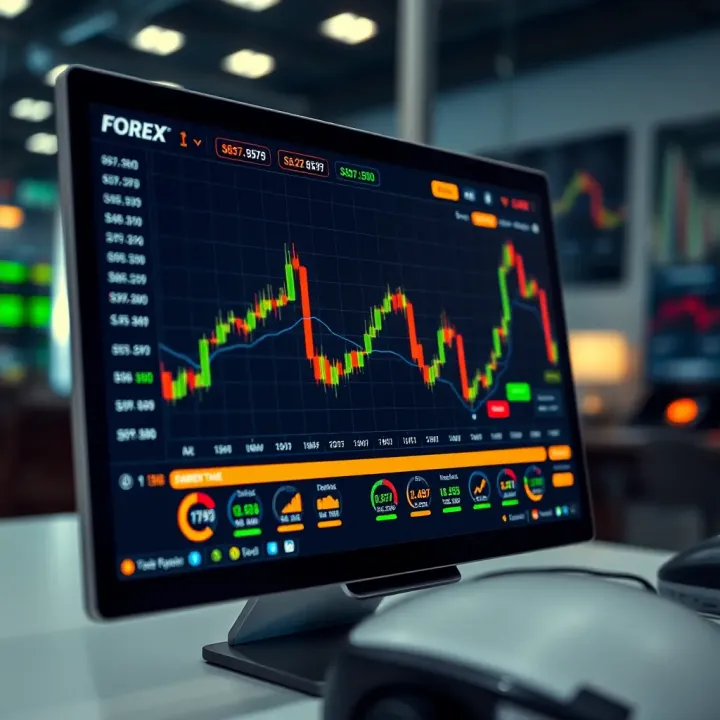
For instance, a Kenyan trader running MetaTrader on their laptop may use an EA configured to buy the US Dollar against the Kenyan Shilling (USD/KES) when the pair dips below a certain threshold, then sell once it rises by a defined percentage. This hands-off approach can save time and help avoid the stress of constant market monitoring.
However, robot trading isn’t a magic bullet. It requires proper setup, ongoing monitoring, and understanding the limitations of automated strategies. Market conditions can change quickly—what worked last week may not work today. Plus, poorly coded or unreliable robots risk losses or missed chances.
Automated forex trading works best as a tool to complement your strategy, not replace human judgement.
When evaluating robots, especially in Kenya where foreign exchange regulations and market behaviour differ from global centres, traders should consider:
Compatibility: Does the robot support the broker or trading platform you use? In Kenya, popular platforms like MetaTrader 4 or 5 are common.
Backtesting Results: Check historical performance under different market scenarios relevant to your trading times.
Risk Parameters: Can you easily adjust stop-loss levels or trade sizes? Managing risk helps protect your capital in volatile markets like forex.
Using robots also reduces the risk of missing trades during Nairobi’s busy matatu rush or when you’re offline, but they shouldn’t run unchecked. Regular reviews ensure the system adapts to shifts in the USD/KES pair or broader economic changes like CBK policy announcements.
In short, understanding how robot trading functions and its practical implications equips Kenyan traders with a smarter way to tackle the forex market. The next sections will explore selecting the right robot and optimising its use to fit local trading needs.
Understanding how forex trading robots operate is key for anyone looking to use them effectively in Kenya's forex market. These robots automate buying and selling decisions based on algorithms, saving traders from constant market watching and reducing emotional errors.
A forex trading robot is software programmed to execute trades automatically according to pre-set rules without human intervention. For a Kenyan trader, this means you can run your strategy 24/7 on markets like EUR/USD or USD/KES without staying glued to your screen.
Trading algorithms form the brain of these robots. They analyse market data such as price movements and volume patterns to decide when to enter or exit trades. For instance, an algorithm might trigger a buy order when the 50-day moving average crosses above the 200-day average — signalling an upward trend.
Indicators like RSI (Relative Strength Index) or MACD (Moving Average Convergence Divergence) produce signals that guide the robot’s decisions. These tools help spot market conditions such as overbought or oversold states, improving the robot's timing for trade execution.
Once the programmed conditions meet, the robot sends trade orders directly to the market without delay. For example, if a robot detects a breakout above a resistance level on the USD/JPY pair, it instantly places a buy order to capitalise on the move.
These robots work closely with forex trading platforms popular in Kenya, like MetaTrader 4 or MetaTrader 5. The robot plugs into the platform via an Expert Advisor (EA) script, ensuring seamless order placement and management.
Robots operate faster than any human, swiftly executing trades within milliseconds. This speed avoids slippage — where prices move unfavourably before your order fills. Accurate execution also means sticking exactly to your trading plan, crucial when the market swings sharply due to breaking news or economic reports.
Automated forex trading offers Kenyan traders consistency and the chance to react immediately to market changes, something human traders rarely match.
Overall, understanding these operational details helps you trust and optimise your forex robot, blending it well into your trading strategy for the Kenyan market.
Using forex robots can change the way you trade currency pairs like USD/KES, but it comes with both perks and pitfalls. Understanding these can help Kenyan traders make smarter decisions, avoid common traps, and get the most out of automation. Let’s look at some practical benefits and the risks you need to watch.
One of the main perks of forex robots is they strip away emotions from trading. Often, traders get shaken by sudden market swings — like when US economic reports shake the USD, or if there’s a major political announcement affecting the Kenyan shilling. Robots stick to programmed rules. They don’t panic or get greedy, which helps avoid rash decisions like overtrading or holding losing positions out of hope. This could mean you miss out on costly mistakes that many human traders make during volatile periods.
Forex markets run 24 hours, especially with overlaps like the London and New York sessions. It’s almost impossible for a trader in Nairobi to monitor all price movements all the time. Robots help by watching the market nonstop without breaks. They can instantly spot entry or exit points based on your strategy, so you won’t need to sit glued to screens all day. For Kenyan traders juggling other commitments, this means you can automate routine tasks while focusing on analysis or other business activities.
A huge advantage with forex robots is the ability to backtest strategies using historical data. You can programme your robot to simulate trades over past months or years, checking how it would have fared during events like the last easing of Central Bank of Kenya’s monetary policy or fluctuations in global commodities affecting the forex market. Testing your setups helps identify weaknesses and optimise them before real money gets at risk. This is especially useful in Kenya’s dynamic market where things can change fast.
Many forex robots depend heavily on past price movements to predict future trades, but history doesn’t repeat exactly. Unexpected events – like sudden policy shifts by the Kenyan government, storms affecting agricultural exports, or a global economic crisis – can disrupt patterns. Relying only on historical data might cause a robot to make wrong calls, resulting in losses. So, Kenyan traders should not expect robots to foresee every twist in the market.
Automated trading depends on internet reliability and software stability. In Nairobi or other towns, power outages or poor internet connections can interrupt orders or delay execution, leading to missed opportunities or unintended trades. Also, software bugs or glitches can cause robots to behave erratically. Having backup systems and monitoring automated trades is critical to avoid costly mishaps.
Forex robots can open and close multiple positions quickly, which might multiply losses if not carefully managed. Without human checks, a malfunctioning strategy or unusual market conditions can drain your capital fast. For example, during periods of high volatility in the KES/USD pair, a robot might execute several losing trades in a row. Kenyan traders should always combine automation with periodic reviews and set sensible stop-loss limits.
While forex robots offer efficiency and remove emotions, they are not foolproof. Staying alert and understanding their limitations will help protect your investments in Kenya’s forex market.
Choosing the right forex robot is essential for Kenyan traders aiming to benefit from automated trading. A suitable robot aligns well with a trader's specific needs and local market conditions, offering a balance between performance, cost, and reliability. This section highlights key factors every Kenyan trader should consider when selecting a forex robot to avoid common pitfalls and maximise returns.
A credible forex robot should provide clear, verifiable performance data over a reasonable period. Traders should look beyond mere claims of profitability and request detailed trading history reports, preferably audited or verified by independent third parties. For instance, if a robot shows consistent gains on a platform like MetaTrader 4 over six months with minimal drawdowns, it signals robustness. Performance metrics such as profit factor, maximum drawdown, and win rate give a more nuanced view than just net profit.
Actual trading results in real market conditions matter more than backtested data alone, since backtesting can be tuned with hindsight bias. Kenyan traders should be cautious about robots boasting excessively high returns with little evidence. Real, verified performance helps avoid scams and informs realistic expectations.
Not all forex robots work seamlessly with every trading platform. Since many Kenyan traders use platforms like MetaTrader 4 or MetaTrader 5, it's vital to ensure the robot supports these or others endorsed by local brokers. For example, some smaller Kenyan brokers prefer cTrader; a robot not compatible with this platform effectively becomes useless to their clients.
Additionally, compatibility with brokers registered with the Capital Markets Authority (CMA) ensures better regulatory protection. Some robots function only with offshore brokers, which might pose challenges such as delayed M-Pesa withdrawals or local account funding issues. Insisting on a robot compatible with local setups prevents operational hitches and enables faster trading execution.
The opinions and experiences of other traders can shed light on a robot’s reliability. Forums, social media groups, and trading communities—like local Facebook groups for Kenyan forex enthusiasts—offer useful insights. Reviews should be taken with a pinch of salt, focusing on common patterns rather than isolated complaints.
For instance, consistent feedback pointing to frequent technical problems or poor customer service is a red flag. Conversely, positive community feedback about steady performance or helpful developer support strengthens confidence in the robot. Engaging with fellow Kenyan traders helps navigate the many options and avoid dodgy software.
Forex robots come with different pricing structures. Some charge a one-off fee, while others ask for monthly or yearly subscriptions. Traders need to weigh upfront costs against long-term value. A one-time payment may look attractive but might not include future updates or support.
Subscription models often offer ongoing customer care and periodic updates which help adapt to changing market conditions. For Kenyan traders, budgeting for recurring costs makes sense especially if they intend to rely on the robot long-term. However, avoid overly expensive subscriptions with no trial periods or clear benefits.
Ensuring that the chosen robot complies with Kenyan regulations and is approved by your broker reduces legal risks. While Kenya’s Capital Markets Authority monitors brokers, it does not directly regulate forex robots. Nonetheless, using a robot endorsed or at least accepted by regulated brokers helps prevent account freezes or trade reversions.
Also, check if the robot respects laws around data protection and transparent trading. Some robots operate in grey zones by masking their trading strategies which can translate to unexpected losses. Compliance means better trust and safer trading.
Trying a robot before paying is a smart choice. Most reputable forex robots offer demo accounts where traders simulate live trading without risking real money. Kenyan traders should take advantage of these to familiarise themselves with the software interface, observe trade execution speed, and test settings under various market conditions.
Trials reduce chances of buying unsuitable or malfunctioning robots. For example, a trader testing a robot during Kenya’s short rains season might want to verify how it handles typical market volatility during that time. Using demo options also helps develop confidence and control before going live.
Choosing the right forex robot isn’t just about automated orders but about finding a trusted tool that fits Kenya’s market realities and your trading style.
Selecting a forex robot with transparent performance, platform compatibility, realistic cost, and proper legal standing can make the difference between steady profits and unnecessary losses. Kenyan traders should take the steps above seriously before committing funds to any automated trading system.
Using forex robots in Kenya calls for fine-tuning strategies to fit local market characteristics. The Kenyan forex scene isn’t just a copy-paste of global markets; factors like the shilling’s behaviour, regional economics, and trading hours need attention. Without this adjustment, a robot designed for steady markets might struggle during Kenya’s erratic currency swings or regional events.
The Kenya Shilling (KSh) can be quite volatile, especially during political elections or when major economic announcements come out. This fluctuation affects currency pairs involving the KSh, making fixed algorithm settings riskier if not regularly calibrated. For instance, a trading robot optimised for stable forex pairs might execute trades based on signals that don’t account for sudden KSh swings, leading to losses.
Traders should consider adjusting the robot’s sensitivity and stop-loss levels to accommodate these fluctuations. Monitoring the shilling’s trend before activating the robot is also key. In times of high volatility, reducing trade sizes or pausing automated trading might be wiser to avoid unexpected risks.
East African Community (EAC) events, like trade agreements or interest rate decisions by the Central Bank of Kenya (CBK), tend to influence forex markets in Kenya and neighbouring countries. Such regional happenings cause ripple effects on currency pairs widely traded by Kenyan forex traders, like USD/KES or EUR/KES.
Robot settings need to factor in these scheduled events. Incorporating economic calendars into the robot’s programming or manually disabling automation during high-impact news releases prevents unnecessary exposure. For example, during a CBK Monetary Policy Committee announcement, the robot should either halt new trades or tighten risk parameters to avoid whipsaw price movements.
Liquidity in forex markets linked to the KSh isn’t as high or consistent as in major pairs like EUR/USD. Nairobi’s market hours overlap partially with European and U.S. markets, but activity dips sharply outside these periods. Forex robots need to be tuned to trade during peak liquidity to avoid slippage or poor price fills.
Traders should configure their robots to avoid inactive hours, such as late-night Nairobi time when liquidity dries up. For example, a robot trading USD/KES pairs might only operate during London and New York session overlaps, enhancing execution quality. Adapting to local timing helps optimise profits and reduce risks linked with thin markets.
Properly setting stop-loss and take-profit limits is vital when using forex robots. These parameters protect capital by limiting potential losses and locking gains in volatile Kenyan markets. For instance, setting a stop-loss too tight during KSh fluctuations will close positions prematurely; too loose, and it could expose the trader to bigger losses.
Kenyan traders should tune these levels based on historical KSh price swings and the robot’s strategy. Dynamic stop-loss adjustments can also be programmed, allowing the robot to respond to changing market conditions without manual intervention.
Forex markets evolve, especially in Kenya where political, economic, or global events shift trends rapidly. Robot strategies that worked well last year might underperform now. Regularly reviewing robot performance and updating its algorithm is important to stay relevant.
Traders should schedule monthly or quarterly check-ups, analysing key metrics like win rate, drawdowns, and responsiveness. Updating robot parameters or even switching to improved versions ensures the automation remains effective in Kenya’s unique environment.
Though robots execute trades automatically, human oversight remains crucial. Kenyan traders should monitor their robot’s trades daily, ready to intervene if markets behave unusually. This is particularly important during sudden events like unexpected election outcomes or natural disasters affecting the shilling.
Manual intervention could mean pausing the robot, adjusting risk settings, or making discretionary trades. Combining automation with trader experience provides a balanced approach that optimises profits while managing risks effectively.
Effective use of forex robots in Kenya isn’t about hands-off trading but about smart adjustment and vigilant monitoring, blending local insight with automation’s speed.
Through these steps, Kenyan forex traders can better harness robot trading to navigate their market’s quirks, balancing automation’s strengths with practical ground realities.
Understanding common myths about forex robots and practical advice for using them is crucial for Kenyan traders looking to work with these tools effectively. Often, traders dive in expecting quick profits without grasping the limitations and necessary precautions. This section clears up misconceptions and offers straightforward tips that protect your investment and improve your chances of success.
Many new traders assume that buying a forex trading robot means automatic earnings. The truth is, no robot can promise profits because forex markets fluctuate constantly, influenced by unpredictable events. Even well-designed algorithms falter during unusual market conditions. For example, during volatile periods driven by unexpected Kenya Shilling movements or global crises, the robot’s parameters might not adapt quickly enough.
Accepting that losses can happen helps you prepare and use robots more realistically. A robot is a tool—not a magic formula. You still need to monitor trades and adjust strategies if necessary.
Trading robots automate decision-making based on pre-set rules, but they can't replace human judgement. Market nuances, such as news from the Kenya National Bureau of Statistics or changes in EAC economic policies, need interpretation that a robot can’t fully grasp. Traders should combine automated strategies with their own insight and remain involved in monitoring performance.
For instance, if a local election is approaching and is likely to affect currency values, you might pause or tweak the robot’s activity. Complete reliance on robots without oversight can expose your account to avoidable losses.
Setting sensible goals keeps you grounded. Expecting 100% returns within weeks is unrealistic and often leads to frustration. Instead, think of robots as assistants that help you trade more efficiently, not as a get-rich-quick fix.
Consider your capital, risk tolerance, and time horizon. Success with forex robots typically comes from steady progress and continual learning rather than overnight miracles.
Begin by using small stakes to limit potential losses while you learn how the robot operates. For example, start with KSh 1,000 or KSh 2,000 on M-Pesa-funded accounts rather than risking larger sums immediately.
This way, you get a feel for real trading conditions without exposing yourself to big risks. Gradually increase amounts only after gaining confidence.
Almost all forex brokers offer demo accounts where you can test robots without risking real money. This practice is essential to understand how your chosen robot handles market moves.
Try your robot on the demo mode with Kenyan market pairs like USD/KES to see how it performs during actual market hours. Demo trading helps identify bugs, understand settings, and build trust before switching to real funds.
Forex trading is influenced by many factors—from CBK interest rate announcements to East African Community trade updates. Regularly updating your knowledge helps you interpret robot signals better and adjust as needed.
For instance, knowing when Kenya announces inflation figures allows you to anticipate currency volatility. Attend webinars, read local financial news, and participate in online forums to sharpen your trading skills while using robots.
Good practice combines technology and trader knowledge; relying solely on forex robots without staying informed puts your funds at risk.
By clearing up these misconceptions and following practical advice, Kenyan traders can engage with forex robots thoughtfully and confidently, increasing their chances of a steady trading experience.
📈 Master effective forex trading strategies designed for Kenyan traders! Learn practical tips, manage risks, and access handy PDF resources to trade confidently.
💱 Learn forex trading basics, broker tips, regulation, and fund management tailored for Kenyan traders. Navigate currency markets confidently and safely with practical insights.
Explore Deriv forex trading 🇰🇪 with this detailed guide: platform features, forex instruments, strategies, and smart risk management tips for Kenyan traders.
Discover the best forex courses in Kenya to boost your trading skills 📈. Learn essential techniques, course costs, and how to pick the right one for you.
Based on 10 reviews