

Understanding Derivative Trading in Kenya
Explore the essentials of derivative trading in Kenya 📈. Learn types, benefits, risks, key strategies, and local regulations to make informed investment decisions.
Edited By
Daniel Hughes
HFM Kenya is part of the wider global financial services sector, providing trading platforms and investment opportunities to local and regional clients. It caters mostly to traders, investors, brokers, and entrepreneurs by offering access to forex, commodities, indices, and equities markets.
This company operates by giving users tools and services that simplify buying and selling financial instruments directly through digital platforms. Its presence in Kenya reflects the growing demand for accessible financial markets and diversified investment options beyond traditional savings and stock market ventures.

HFM Kenya aims to bridge the gap between global financial products and Kenyan investors by tailoring services to local market needs and regulatory frameworks.
Trading platforms: Users can trade forex pairs, commodity futures like gold and oil, stock indices, and cryptocurrencies using desktop or mobile apps.
Market access: Provides Kenyan clients with links to international exchanges and liquidity pools, enabling them to participate in market movements in real time.
Educational resources: Offers webinars, tutorials, and market analysis to help clients make informed decisions.
Account types: Several account options allow for flexible deposit amounts and tailored leverage, accommodating beginners and seasoned traders alike.
HFM specialises in providing an online brokerage platform that blends technology with regulated trading environments. While the company is globally regulated, it ensures compliance with Kenyan standards, including data protection and financial conduct. Client funds are typically held in segregated accounts, reinforcing security and trust.
Moreover, HFM Kenya supports payments and withdrawals primarily through mobile money services such as M-Pesa, facilitating quick and familiar transactions for Kenyans. This reflects the reality of Kenya's digital payment ecosystem, where convenience and security matter.
In summary, HFM Kenya plays a growing role by giving investors and traders enhanced access to diverse financial opportunities, coupled with localised support and payment methods. Users benefit from a platform designed to simplify trading without compromising on regulatory safeguards or market transparency.
The section on the overview of HFM Kenya sets the stage for readers by explaining who HFM is and why it matters to Kenyan investors and traders. It gives essential context about the company’s origin, its presence globally, and the journey to establishing itself in Kenya. This background helps investors grasp the firm’s credibility and how its offerings fit the local market.
HFM, formerly known as HotForex, is an established international brokerage firm offering online trading and investment services. With operations spanning over 180 countries, it holds licences from multiple regulatory authorities, including those in Europe and the Middle East. This global footprint means HFM has experience managing different financial regulations and catering to various trading preferences.
In practical terms, this presence allows HFM to deliver reliable trading platforms and diverse instruments worldwide. For instance, Kenyan traders benefit from the same robust MetaTrader 4 and 5 platforms used elsewhere, ensuring smooth execution and access to tools like Expert Advisors and algorithmic trading. The brand’s recognition across borders also adds confidence for Kenyan investors looking beyond local brokers.
HFM Kenya was set up to address the growing demand for accessible, professional trading services in the country. Since launching here, it has tailored some services to the Kenyan market, offering support with local payment options like M-Pesa and bank transfers through local banks such as Equity and KCB. These practical adjustments make deposits and withdrawals easier, removing common barriers for Kenyan traders.
The firm continues to expand its presence by providing local customer service teams familiar with Kenya’s regulatory requirements and investor concerns. This local anchoring offers clients faster responses and relevant guidance, unlike brokers outside the region. For example, during periods of market volatility triggered by local events—such as election cycles or CBK monetary policy announcements—Kenyan clients get timely insights relevant to their trading.
A clear understanding of HFM’s background helps investors judge the reliability and suitability of the broker for their trading needs in Kenya, bridging international expertise and local relevance.
This overview encourages readers to approach HFM Kenya with an informed perspective, ready to explore the services and conditions it offers.
HFM Kenya presents a variety of services tailored to meet the needs of investors, traders, and financial enthusiasts in Kenya. Understanding these offerings is key for anyone looking to engage with the platform effectively and take advantage of its tools and resources to boost their financial activities.

HFM Kenya provides clients with access to popular trading platforms like MetaTrader 4 (MT4) and MetaTrader 5 (MT5). These platforms are well-regarded globally for their user-friendly interface, real-time market data, and advanced charting options. For example, MT5 offers more timeframes and a broader range of technical indicators than MT4, allowing traders to analyse the market more comprehensively. Additionally, HFM integrates tools like the Smart Trader Tools bundle, which includes features such as a correlation matrix and mini terminal to help track market patterns and manage trades more efficiently.
Clients at HFM Kenya can trade a broad selection of instruments including forex pairs, commodities like gold and oil, indices representing major stock markets, and shares from companies listed on recognised exchanges. This diversity allows traders to spread their investments and reduce risk through portfolio variety. For example, while the Kenyan shilling is volatile against the US dollar, HFM clients can hedge this exposure by trading safer instruments like gold or global indices. The availability of CFDs (Contracts for Difference) enables trading on price movements without owning the actual assets, which suits active traders looking for flexibility.
HFM Kenya places strong emphasis on education and support to empower both new and experienced traders. The broker offers free webinars, video tutorials, and daily market analysis which are essential for making informed trading decisions. Their customer service operates through multiple channels including phone, email, and live chat, ensuring queries are addressed promptly. For instance, a beginner trader can take advantage of step-by-step guides and real-time support to gain confidence before investing significant capital.
Access to diverse instruments and advanced tools, coupled with continuous education and reliable support, positions HFM Kenya as a practical choice for Kenyan traders seeking both growth and security in their investment journey.
Overall, these services combine to create an environment where Kenyan clients can confidently participate in various financial markets with a clear understanding of their options and tools at hand.
Understanding how HFM Kenya functions within the local market is key for traders and investors keen on leveraging its services effectively. This section walks you through the regulatory framework, the onboarding experience, and the payment methods that define everyday operations, giving you a clear picture of what to expect.
HFM Kenya operates under the oversight of the Capital Markets Authority (CMA), which regulates and safeguards Kenya's capital markets. This means HFM must comply with Kenyan laws and regulations, including investor protection rules, anti-money laundering (AML), and know-your-customer (KYC) protocols. For example, before opening accounts, clients need to submit valid identification like a national ID or passport, and proof of address. This regulatory compliance ensures that investments through HFM remain secure and transparent, aligning with Kenya's financial sector standards. It's worth noting that CMA registration helps build trust, especially for new traders concerned about platform legitimacy.
Getting started with HFM Kenya is straightforward but thorough. The onboarding process involves submitting your identification documents and completing a risk assessment to determine your trading profile. HFM offers several account types tailored to different trader needs—ranging from standard retail accounts suitable for beginners to raw spread accounts appealing to more experienced traders. For example, a beginner may choose an account with lower minimum deposit requirements and access to educational resources, while a seasoned investor might prefer an account that offers tighter spreads and faster execution. This flexibility helps Kenyan clients pick accounts aligned with their capital and trading style.
One of the practical benefits of HFM Kenya is the range of payment options designed for ease and speed. Clients can use local payment systems such as M-Pesa for deposits and withdrawals, making fund transfers quick and affordable compared to traditional bank-wire methods. Other accepted payment methods include bank transfers and credit/debit cards. For instance, a Nairobi-based trader can fund their account using M-Pesa in minutes without needing to visit a bank. Withdrawals generally follow a similar process, with clients advised to use the same payment method for both deposits and withdrawals to minimise delays. Additionally, HFM applies a transparent transaction process, where fees and processing times are clearly stated upfront, helping clients manage their finances without surprises.
Efficient regulatory compliance, easy onboarding, and local payment flexibility make HFM Kenya a practical choice for traders keen on localised services with global market access. Understanding these operational details ensures you manage your trading activities smoothly and securely.
This operational insight bridges the gap between global brokerage services and local Kenyan market needs, giving traders and investors the confidence to engage fully with HFM Kenya's offerings.
HFM Kenya has carved a niche in the local financial market by offering tailored services that address the needs of Kenyan investors and traders. Its presence allows local participants to engage in global financial markets through a platform that considers the unique challenges and opportunities within Kenya's economic landscape. By providing accessible trading options, local investors can diversify beyond traditional assets like stocks or government bonds.
HFM offers several benefits that make it appealing to Kenyan traders. First, the ability to trade with relatively low initial deposits fits well with many Kenyan investors who might not have large capital upfront. For example, someone in Nairobi's growing middle class can start trading forex or CFDs with just a few thousand shillings. Additionally, HFM's support for local payment methods such as M-Pesa eases transactions, eliminating the need to rely on international bank transfers that can take days and incur high fees.
Another advantage is the variety of trading instruments available. From forex pairs to commodities and indices, investors have more choices than what local equity markets typically offer. This flexibility helps in managing risks and exploring different profit avenues. Plus, the provision of educational tools and customer support tailored for Kenyan clients assists novice traders to understand market mechanics better.
Despite these advantages, trading with HFM carries risks that Kenyan users should weigh carefully. Forex and CFDs are complex and highly volatile products, which can lead to significant losses if one is not cautious. For example, leverage, while increasing potential gains, can also magnify losses beyond initial capital. Kenyan investors should always confirm they understand margin requirements and risk management strategies before engaging extensively.
It's also important to be mindful of regulatory differences. While HFM operates transparently, the regulatory environment in Kenya still develops in tandem with global standards. Traders should verify the extent of protection afforded to them and ensure compliance with their tax obligations, including reporting earnings through the Kenya Revenue Authority (KRA).
When comparing HFM to other brokers active in Kenya, distinct differences emerge. Local brokers registered with the Capital Markets Authority (CMA) might offer more direct access to NSE-listed stocks and local regulatory coverage, but often have fewer international asset options. International brokers like HFM generally provide broader choices and more advanced trading platforms but may lack the same level of local regulatory insulation.
Moreover, payment flexibility is a key comparison point. HFM's integration of M-Pesa and other local payment systems offers smoother fund movements compared to brokers requiring international wire transfers. However, some local brokers might provide on-ground support and account services unavailable through HFM's primarily online model.
For Kenyan traders, choosing between HFM and other brokers involves balancing access to diverse markets against regulatory familiarity and localised service options.
Understanding these trade-offs helps investors pick the brokerage that best fits their financial goals, risk appetite, and convenience preferences. HFM Kenya stands out by blending international market access with local practicality, making it increasingly relevant in Kenya's growing investor community.
Navigating the world of trading platforms can be challenging, especially when engaging with a company like HFM Kenya. Practical tips help you avoid common pitfalls and maximise your experience. Understanding the steps to open an account, how to handle payments, and effectively using the platforms ensures your trading journey is smooth and secure.
Opening an account with HFM Kenya starts with providing your basic details through their online portal or mobile app. You'll need to submit clear copies of your Kenyan ID or passport alongside proof of address, such as a recent utility bill or bank statement. This verification process aligns with Kenyan regulations to prevent fraud and money laundering.
Once you submit these documents, HFM Kenya typically takes a few business days to approve your account. For example, a Nairobi-based client recently completed his verification within three days, allowing him to start trading without delay. Remember to double-check your documents' clarity and expiry dates to avoid unnecessary back-and-forth.
HFM Kenya supports multiple deposit and withdrawal methods tailored for Kenyan users. One popular route is using M-Pesa for quick deposits directly linked to your trading account. Deposits through bank transfers from local banks like Equity or KCB are also common but may take 1–2 business days to reflect.
Withdrawals usually follow a similar process but note that HFM may require identity confirmation before releasing funds, especially for large amounts. Managing your funds effectively means keeping track of transaction fees, which vary by method. For instance, M-Pesa charges a small fee per transaction but offers convenience and speed.
HFM Kenya offers both desktop and mobile trading platforms suited to different lifestyles. The desktop version provides a richer interface ideal for in-depth chart analysis and multitasking. Coming from an internet cafe in Mombasa shared by many traders, some clients appreciate this for thorough market research.
On the other hand, the mobile app lets you trade on the go. It’s lighter and easier to navigate but has limited charting tools. For example, a trader commuting in a matatu can use the mobile app to monitor trades and set alerts, making sure they never miss a market movement.
Proper platform use means updating apps regularly, securing your login credentials, and practising with demo accounts before real trading.
In summary, getting started with HFM Kenya demands careful attention to identity verification, managing your money wisely, and choosing the right platform for your trading style. These practical tips give you a solid footing as you engage with HFM in Kenya’s financial scene.
Explore the essentials of derivative trading in Kenya 📈. Learn types, benefits, risks, key strategies, and local regulations to make informed investment decisions.
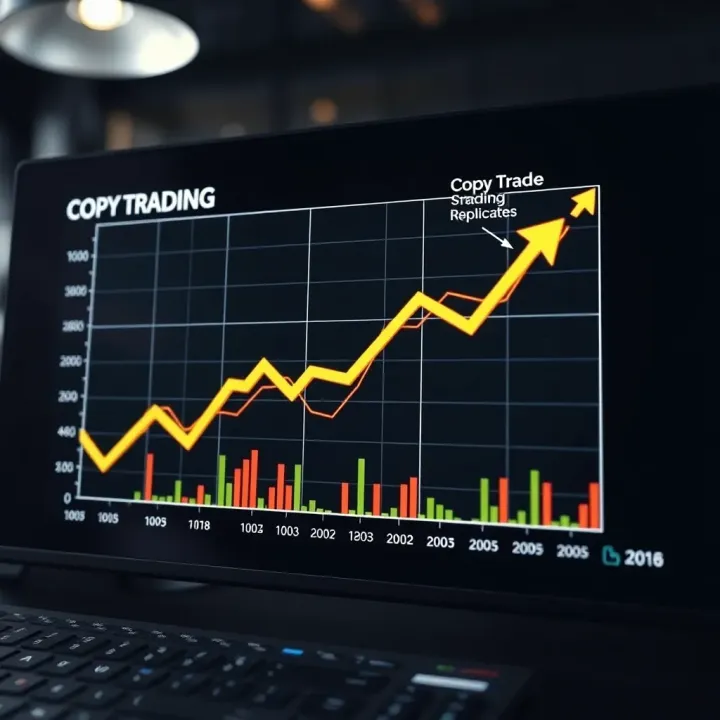
👥 Discover how copy trading works, its benefits, risks, and tips specifically for Kenyan investors. Learn to choose traders to follow and manage risks effectively.

📈 Curious about CFD trading in Kenya? Learn how CFDs work, key strategies, risks, and regulatory tips to trade smart and protect your investments.
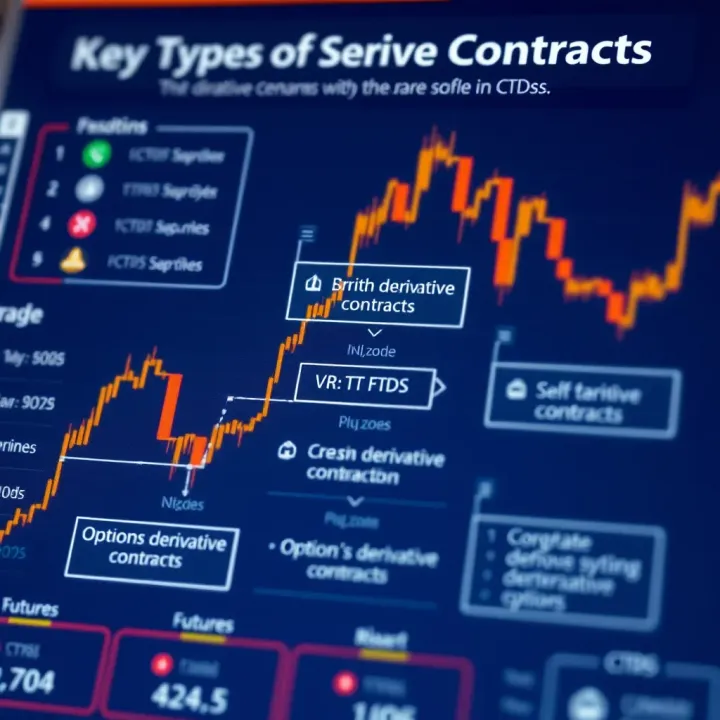
Explore Deriv trading in Kenya 📊: Learn how derivatives work, key types, trading platforms, risks, and smart strategies to trade confidently and safely.
Based on 8 reviews