
Deriv Forex Trading Guide for Kenyan Traders
Explore Deriv forex trading 🇰🇪 with this detailed guide: platform features, forex instruments, strategies, and smart risk management tips for Kenyan traders.
Edited By
Jonathan Reed
Margin level is a key safety net in forex trading—it shows how much of your funds are available to support your open trades. This percentage figure guides you in managing risks and helps avoid margin calls, those dreaded moments when your broker forces the closure of your trades due to insufficient funds.
In simple terms, margin level tells you the health of your trading account. It's calculated by dividing your equity (your account balance adjusted by unrealised profits or losses) by your used margin (the funds set aside to keep your trades open), then multiplying by 100 to get a percentage:
Margin Level (%) = (Equity / Used Margin) × 100
For example, if you have KSh 50,000 equity and your used margin is KSh 10,000, your margin level stands at 500%. That’s a comfortable cushion. But if your trades start losing money and equity falls to KSh 5,000 with the same margin, the level drops to 50%, putting your account at risk.

> Brokers often set a minimum margin level—like 100% or 50%—below which they issue margin calls. Understanding this helps you keep your trades afloat and prevent automatic liquidation.

Monitoring margin level regularly gives you a quick snapshot of risk exposure. You don’t want to be caught off guard, especially when markets move sharply, as is common in forex. Kenyan traders can watch margin levels on popular platforms such as MetaTrader 4 or 5, which display this info in real-time.

In practice, maintaining a margin level above 150% is advisable to cushion against sudden market swings. Conservative traders might set even higher personal thresholds. Staying disciplined about this helps protect your capital and trading potential.

Remember these points about margin level:

- It reflects the ratio of available funds to the amount locked in trades.
- A falling margin level signals growing risk and potential margin calls.
- Different brokers have varied margin call thresholds; always check these before trading.
- Managing leverage alongside margin level can reduce the chance of quick losses.

By knowing how margin level works and keeping a close eye on it, you safeguard your forex activities and improve your chances of trading sustainably. Whether you trade from Nairobi, Mombasa, or Kisumu, this knowledge goes a long way in protecting your hard-earned shillings.


## What Margin Level Means in Forex Trading

Understanding margin level is essential for anyone involved in forex trading. It indicates the safety of your trading account by showing the relationship between your equity and used margin. Knowing this helps you manage risk better and avoid sudden losses or margin calls, especially when market moves go against your positions.

### Definition and Basic Concept

**What margin is:** Margin represents the amount of money a trader must put forward to open a position. Think of it as a good faith deposit allowing you to control a larger trade size than your actual capital. For example, if you want to trade a standard lot worth $100,000 with 1% margin, you'd need $1,000 set aside from your account balance. This margin doesn't get spent like a fee; rather, it acts as collateral while your position is open.

**What margin level indicates:** Margin level is expressed as a percentage and calculated by dividing your equity by the used margin and multiplying by 100. It tells you how much cushion you have before your broker starts closing trades to prevent losses beyond your available funds. A higher margin level means more free funds are available, while a falling margin level signals increasing risk. For instance, if your equity exactly equals your used margin, your margin level is 100%, which usually triggers warnings or margin calls.

### Role of Margin Level in [Forex](/articles/deriv-forex-trading-guide-kenya/) Markets

**How margin level affects trading:** The margin level directly influences your ability to open and maintain trades. If your margin level falls too low, due to adverse market shifts, brokers may automatically close some or all positions to protect your account from going negative. This safeguard prevents you from losing more than your deposited funds. Therefore, keeping an eye on margin level helps you avoid forced liquidations and plan exits or adjustments sensibly.

**Relation to leverage and free margin:** Margin level works hand-in-hand with leverage and free margin—the funds available to open new trades. Leverage multiplies your buying power, but it also magnifies potential losses, affecting margin level quickly. Free margin is your equity minus the used margin and determines how much more you can trade or absorb losses. For example, with KSh 100,000 equity and KSh 20,000 used margin, your free margin is KSh 80,000. Maintaining a healthy margin level means balance: you use leverage smartly without stretching your margin too thin.

> Keeping your margin level healthy is like maintaining good fuel in your vehicle; you don’t want to be stranded mid-journey when the market suddenly swerves. Monitoring margin level helps you trade confidently while managing risk carefully.

## How to Calculate Margin Level

[Understanding](/articles/understanding-derivative-trading-kenya/) how to calculate margin level is a key step for any forex trader looking to manage risk effectively. The margin level tells you how much equity you have compared to the margin you are using on open positions. This figures centrally in avoiding margin calls and keeping your account stable.

### Formula for Margin Level

**Understanding equity** is the first piece of the puzzle. Equity is the total value of your trading account, including any unrealised profits or losses from open trades. Practically, this shows how much money you currently have if you were to close all your positions immediately. For example, if your account balance is KS00,000 and you have open positions with an unrealised profit of KS0,000, your equity becomes KS10,000.

**Calculating used margin** is the second step. Used margin is the amount of money required to maintain your open positions. This is the actual margin that your broker has set aside. If you open a position requiring KS0,000 as margin, this amount is taken from your account as used margin. It’s important because it reduces the available margin you can use for other trades.

**Applying the formula** itself is straightforward once you know your equity and used margin. The standard formula is:


Margin Level (%) = (Equity / Used Margin) × 100
This calculation gives you a percentage that reflects how healthy your account is in terms of margin. A higher margin level percentage means you have more equity compared to your used margin, signalling room to hold or open more trades safely. Conversely, a low percentage warns that you risk a margin call.
Example with figures can clarify this well. Suppose your trading account equity is KS20,000 and the used margin on your open trades totals KS0,000. Using the formula:
Margin Level = (KS20,000 / KS0,000) × 100 = 300%So, your margin level is 300%. This indicates you have three times the equity compared to your used margin, a comfortable buffer for your trades.
Interpreting the result matters just as much as calculating it. In most forex trading platforms, a margin level above 100% means your account is in a safe zone. When the margin level dips below 100%, you risk a margin call, where your broker may start closing your trades to prevent losses beyond your balance. Maintaining your margin level at a reasonable percentage helps ensure you don’t face sudden liquidation.
Always watch your margin level closely. Keeping it healthy means you can trade with confidence, avoid unnecessary stops, and manage your risks better.
Calculating and understanding your margin level takes away guesswork. It lets you keep control of your forex trading account, especially in volatile markets common in Nairobi and beyond. You don’t want to be caught off guard when the matatus aren’t running as expected – same goes for your trades.
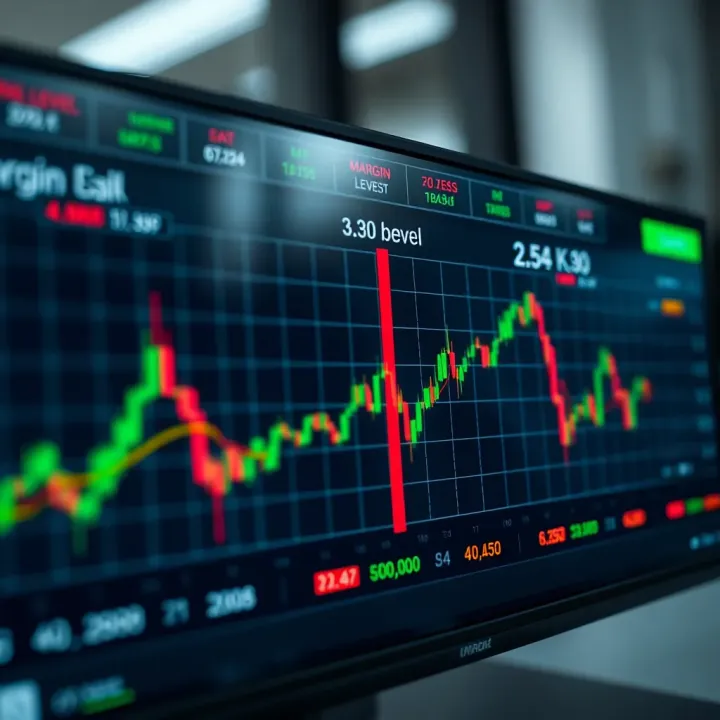
Understanding margin level is key for any forex trader because it directly affects how much risk you carry in the market. When margin levels drop too low, you risk a margin call, which forces you to add more funds or face automatic closure of your positions. This can quickly eat into your account and cause losses beyond what you expected.
A margin call happens when your equity falls below the minimum margin required to hold your trades. For example, if you have KS00,000 in your account and the required margin for your open positions is KSh80,000, but your losses bring your equity down to KSh70,000, the broker will issue a margin call. This means they require you to deposit more money or reduce your open trades. Without prompt action, your broker may start closing positions to limit further losses.
Margin level helps you avoid these margin calls by giving a clear percentage of your safe margin buffer. A high margin level percentage means you still have enough equity compared to your used margin. Many Kenyan forex platforms set warnings around 100% margin level – below this, you risk a margin call. By monitoring your margin level, you stay aware of how close you are to risks and can adjust your trading accordingly.
Keeping a sufficient buffer above the margin call threshold helps maintain account stability. This means you should aim to keep your margin level comfortably above the critical point, often around 150% or more, depending on your broker’s policy. Maintaining this buffer protects your account during volatile market swings and sudden price changes, which are common in forex.
Your trading strategy should align with your margin management to avoid taking unnecessary risks. For instance, if your strategy involves frequent trades or high leverage, you need to monitor margin levels closely and set stop losses effectively to prevent margin erosion. Conservative traders may use lower leverage and keep more free margin to stay safe, while risk-tolerant traders must be extra vigilant with margin levels.
Monitoring margin level is not just about avoiding margin calls; it ensures you trade with confidence and keep your account healthy in all market conditions.
By understanding why margin level matters, Kenyan forex traders can build better risk controls, reduce stress, and improve their chances of long-term success.
Maintaining a healthy margin level is essential for any forex trader aiming to protect their investments and avoid unexpected margin calls. Monitoring this level closely helps you make informed decisions about opening, closing, or adjusting positions. Without proper oversight, your account can quickly slip into danger, especially if markets move against you.
Most forex trading platforms clearly display your margin level to keep you informed throughout your trading day. For instance, platforms like MetaTrader 4 or 5 show your current equity, used margin, and free margin in real time. This helps you see immediately if your margin level is dropping toward a risky threshold.
Many platforms also offer visual indicators—like colour codes or percentage displays—that signal when your margin level is too low. These built-in features provide a quick snapshot, allowing you to act before a margin call or automatic trade closure happens.
Alert settings are another practical tool you should leverage. You can set notifications that warn you when your margin level falls below a certain percentage, such as 100%. This early warning gives you time to either add funds to your account or close some positions to free up margin. For example, Safaricom or Equity Bank traders using mobile-connected platforms can get instant SMS or app alerts, helping them manage risks even while on the go.
Keeping reasonable leverage means not pushing your account to the edge by using very high leverage ratios. While high leverage might seem attractive to increase gains, it magnifies losses just as much. For instance, using 1:100 leverage requires less margin per trade, but a small market move can wipe out a big chunk of your equity. A safer approach is to choose leverage within your comfort level—many Kenyan traders prefer 1:10 or 1:20 to keep risks manageable.
Avoiding overtrading is another key step. Opening too many trades at once stretches your used margin thin, drastically lowering your margin level. If the market moves slightly against you, your account may not have the buffer to withstand the losses. Sticking to a few well-studied positions instead of chasing every opportunity helps keep your margin level healthier.
Regular account reviews are crucial for sustained trading success. Set a routine to check your margin status daily or even multiple times a day, especially if you trade frequently. Reviewing your open positions and equity helps you spot potential problems before they become serious. For example, if you notice your margin level trending down over days due to losing positions, it might be time to re-evaluate your strategy or top up your account.
Keeping your margin level healthy isn’t just about numbers on a screen—it’s about making steady, well-informed choices that protect your capital and build long-term success.
By understanding and actively managing your margin level with help from trading tools and good habits, you reduce the chance of margin calls and improve your standing as a forex trader in Kenya’s dynamic markets.
Understanding and managing margin level properly is not just a technical requirement—it directly impacts your trading success and capital safety. Many traders, especially beginners, overlook margin level warnings or misinterpret leverage, leading to unnecessary losses or margin calls. This section highlights two common mistakes and practical ways to avoid them.
Consequences of neglect: Ignoring margin level warnings can put your trading account in jeopardy quickly. When your margin level drops, platforms typically alert you or start restricting your trading activities. If you disregard these warnings, your broker may automatically close some or all positions to prevent further losses. For instance, a trader who leaves multiple open positions without enough equity buffer can face a margin call, forcing a sudden exit at a loss, which might have been avoided with timely action.
How to stay alert: Staying alert means regularly checking your trading platform and setting up alerts that notify you when the margin level drops below a certain threshold, say 100%. Most platforms like MetaTrader or cTrader offer visual indicators and sound alerts for margin calls. You can also schedule quick daily reviews of your account, especially during volatile market hours. Maintaining a strict discipline to close or reduce losing positions before margin drops too low helps protect your account.
Leverage amplifying risks: Leverage allows you to control larger trade sizes with less capital, but it works both ways—it magnifies gains and losses. Using high leverage without understanding this means even small adverse price moves can quickly eat into your margin level, triggering margin calls. For example, a 1% market move against a highly leveraged position (say 1:200) can wipe out your available margin fast, leaving little room for recovery.
Choosing appropriate leverage levels: It’s vital to select leverage levels that fit your risk tolerance and trading style. Instead of defaulting to the highest possible leverage, consider starting at a conservative level like 1:10 or 1:20, especially if you trade volatile pairs or news events. This approach reduces pressure on your margin level and gives you more breathing space to manage trades. Kenyan traders often find that modest leverage combined with sound risk management leads to steadier trading progress without panic-driven losses.
Being mindful of margin level warnings and understanding leverage’s real impact are key steps to trade with confidence and protect your capital. Avoid rushing into trades just because high leverage is available—manage your margin carefully for long-term success.
Explore Deriv forex trading 🇰🇪 with this detailed guide: platform features, forex instruments, strategies, and smart risk management tips for Kenyan traders.

📈 Understand the Asian Forex trading session timing in Kenya 🇰🇪 and learn key market tips to optimize your trades during these hours for better results.
📈 Master forex trading in Kenya with the Deriv Pip Calculator. Learn to calculate pip values precisely and manage your trades like a pro.💡
Looking for the best trading app in Kenya? 📱 Discover top platforms, key features, safety tips, and expert advice to trade confidently and smartly.
Based on 7 reviews