
How to Log in to Deriv: A Guide for Kenyan Traders
Learn how to easily log in to Deriv with step-by-step tips for Kenyan traders 🇰🇪. Stay secure 🔒 and avoid common issues for smooth trading 🚀.
Edited By
Daniel Hughes
TradingView is a powerful financial charting platform widely used by traders and developers worldwide. In Kenya, where local and global markets intersect through mobile and online trading, implementing TradingView can elevate decision-making and application development significantly.
Kenyan traders benefit from TradingView’s real-time charts, interactive tools, and vast range of technical indicators that help spot market trends and entry points. Beyond just traders, fintech developers can embed TradingView’s widgets and libraries into platforms to provide users with dynamic visual data without building charts from scratch.
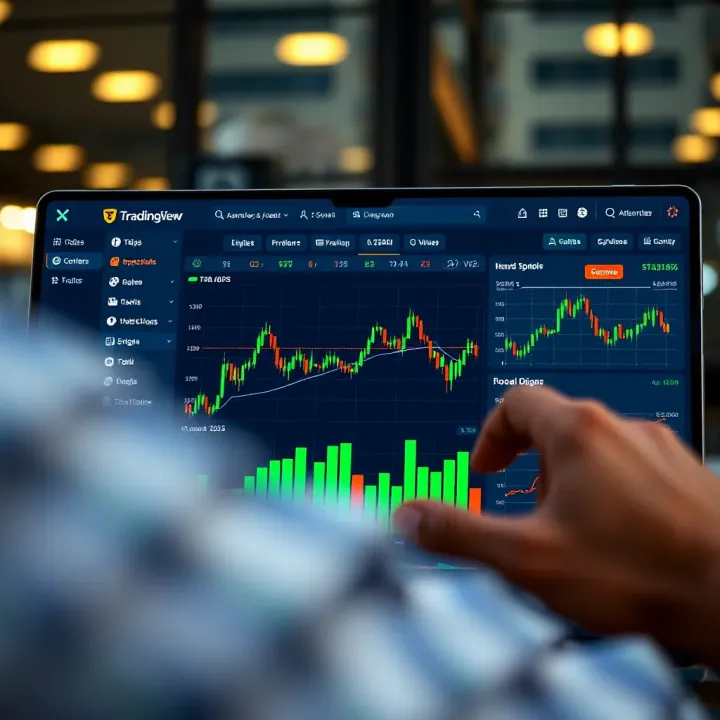
Using TradingView in Kenya isn’t just about accessing charts; it’s about making smarter choices — backed by data, analysis, and live updates.
The platform supports diverse asset classes relevant to Kenyan users: equities listed on the Nairobi Securities Exchange (NSE), foreign exchange pairs like USD/KES, cryptocurrencies popular in the region, and even commodities like coffee and tea futures. These resources enable users to track both local and international markets within a single interface.
Implementation ranges from simple embedding of free chart widgets on websites to advanced integration via TradingView’s Charting Library API. This flexibility suits various needs, whether you run a brokerage website wanting live market visuals or a startup building a mobile trading app.
Practical steps include registering for TradingView’s developer access, choosing the right integration method, and customising chart features to fit Kenyan market sessions and trading hours. For example, adjusting time zones to East Africa Time (EAT) ensures accurate market timing indications.
Additionally, developers can leverage TradingView’s Pine Script, a user-friendly scripting language, to create custom technical indicators or automated trading strategies tailored to trading patterns common in Kenyan markets.
In the following sections, we will explore detailed setup procedures, integration best practices, and customisation techniques helping you fully unlock TradingView within Kenyan trading and fintech environments.
Understanding what TradingView offers helps Kenyan traders and developers make smarter choices when integrating this platform into their trading or fintech solutions. TradingView's tools are designed to give clear, real-time insights that support decision-making whether you're trading local shares or tracking global forex.
Interactive financial charts make it easy to visualise market movements dynamically. Instead of static images, these charts let you zoom in on price action, apply indicators, and switch between different timeframes. For example, a trader can follow NSE's share prices minute by minute, spotting trends that help decide when to buy or sell.
Technical analysis tools included in TradingView cover a wide array of indicators like moving averages, RSI (Relative Strength Index), and Fibonacci retracements. These tools help traders predict future price movements by analysing historical data patterns. Kenyan developers can integrate these analyses into their apps to provide users with automated trading signals or alerts tailored to NSE or forex markets.
Community-generated trading ideas enrich TradingView with crowd wisdom. Users share strategies and ideas openly, offering fresh perspectives. A Kenyan investor tracking currency trends might discover locally relevant strategies shared by others familiar with EAC currencies or East African economic shifts.
Real-time data access is critical for timely trading. TradingView delivers live quotes and price feeds for multiple markets, including NSE, forex, and commodities. Having access to real-time data ensures traders can react quickly to market news or events, avoiding costly delays.
Access to local and international markets lets users diversify their portfolio. Kenyan traders can monitor NSE stocks during the day, then check international indices like the S&P 500 or commodities prices after hours. This feature is key for anyone balancing local investments with foreign exposure.
Integration with mobile and desktop platforms means traders can work from anywhere, be it during their matatu commute or at home. TradingView’s apps are optimised for both Android and iOS, plus there’s a desktop version for deeper analysis. This flexibility addresses common challenges of unreliable internet or having to move between devices.
Compatibility with common Kenyan payment solutions like M-Pesa simplifies subscription payments for premium TradingView accounts. Easily funding or upgrading accounts through familiar channels lowers barriers for many Kenyan users and fintech companies.
User-friendly interface suitable for beginners and experts makes TradingView accessible without sacrificing depth. Novice traders appreciate simple chart types and tutorials, while advanced users can customise scripts and deploy complex strategies. This balance helps grow local trading skills progressively.
TradingView combines powerful tools with ease of use and local market integration, presenting a practical choice for Kenyan traders keen on broadening their market insight and for developers seeking to enhance fintech products.
Understanding these benefits clearly lays the groundwork for effective TradingView implementation tailored to Kenya’s unique trading and development environment.
Integrating TradingView successfully involves more than dropping a widget into a website or app. Kenyan traders and developers must meet certain technical and account-related requirements to fully utilise its features. Understanding these key prerequisites ensures smooth performance, access to live data, and compatibility with the various platforms users rely on.
Supported programming languages and frameworks play a big role in implementing TradingView. The platform primarily supports JavaScript through its Lightweight Charts library and REST APIs, which means developers should be comfortable with JavaScript or TypeScript. Beyond that, popular web frameworks like React, Angular, or Vue.js work well for embedding charts into web apps. For mobile apps, integrating TradingView is often done using native iOS (Swift) or Android (Kotlin/Java) code, or via cross-platform frameworks like Flutter and React Native that support web views.
Choosing the right language and framework eases customisation and improves responsiveness. For example, a Kenyan fintech startup using React Native can embed TradingView charts efficiently while keeping the user interface consistent across Android and iOS.
When considering web and mobile platform compatibility, TradingView performs best on modern browsers like Chrome, Firefox, Edge, and Safari. For mobile users, native apps or responsive web designs are crucial. Given Kenya’s high mobile penetration—especially using mid-range smartphones—it's important that the charts load quickly on 3G or 4G networks. Local IT teams should optimise how TradingView loads in their apps to minimise data usage and enhance user experience, particularly for traders who rely on quick market updates during matatu rides or between work shifts.
Browser compatibility and performance matter for both traders and developers. Although TradingView works cross-browser, older browsers might struggle with real-time chart rendering or interactive features. For Kenyan users, this means targeting at least the last two versions of major browsers is wise. Performance bottlenecks like slow script loading can delay chart updates, which could affect trading decisions. Developers should regularly test their implementations on devices commonly used in Kenya, such as mid-tier Android smartphones, to ensure smooth chart responsiveness without hogging data or battery life.
Using TradingView to its full potential requires appropriate account types and API access. TradingView offers several tiers, from free public widgets to premium plans that unlock API usage and advanced analytics. Many Kenyan developers start with free or Pro plans to embed simple charts. However, for firms seeking bespoke integrations, using TradingView’s API under a paid subscription is necessary. This access enables fetching live market data, handling user authentication, and customising chart indicators according to client needs.
Data feed sources and licensing affect how fresh and legal the information displayed is. TradingView aggregates data from various providers including stock exchanges and forex markets. Some data feeds require licensing fees to display live prices, especially for local markets like the Nairobi Securities Exchange (NSE). Kenyan developers will need to verify agreements with TradingView or NSE to avoid violations. Opting for authorised data sources ensures accuracy and timely updates — vital when trading volatile instruments like foreign exchange (USD/KSh) or agricultural commodities.
Finally, choosing between real-time versus delayed data options is a practical decision. Real-time data is critical for active traders making split-second calls, but it can come at a higher cost and require fast internet. Delayed data, usually 15-20 minutes behind, might suffice for basic analysis or educational platforms. For instance, a brokerage targeting casual Kenyan investors could opt for delayed feeds to reduce expenses while still offering valuable insights. Ultimately, balancing cost and speed depends on the users’ trading style and the application’s purpose.
Meeting these technical and account conditions lays a strong foundation for using TradingView effectively. It’s about aligning the platform’s capabilities with Kenya’s market and user environment to ensure reliable, timely, and accessible trading tools.
Implementing TradingView charts effectively requires a clear, stepwise approach that ensures smooth integration and optimal user experience. This section guides Kenyan traders, developers, and fintech entrepreneurs through the practical steps of setting up and customising TradingView charts, providing a hands-on understanding vital for successful adoption in local apps and platforms.
Choosing the right chart widget is the first step in the integration process. TradingView offers various widgets, such as standalone charts, market overview panels, and mini charts. Choosing the appropriate widget depends on your platform’s needs: a standalone chart suits detailed technical analysis, while mini charts fit well in dashboards summarising market trends. For instance, a Kenyan fintech app focusing on NSE stocks might opt for the interactive chart widget to allow users to zoom and add technical indicators.
Customising chart appearance and features tailors the charts to your target audience. Customisation includes setting colours, fonts, time intervals, and default indicators. For example, a platform serving users on slower internet connections in parts of Kenya can simplify the charts by reducing animation effects and default indicators, improving load times without losing critical data. Besides visuals, including local currency (KSh) and Nairobi’s time zone provides greater relevance.
Embedding charts into websites or mobile apps involves placing the widget code within your platform’s frontend. TradingView uses iframe code snippets or JavaScript-based embeds, allowing easy inclusion without complex backend setup. For mobile users, responsive design is key—charts should adjust to screen sizes commonly found on smartphones used in Kenya, ensuring usability during commutes on matatus or boda bodas. A developer might embed charts in an investment portal accessible via mobile browsers to support users in various regions.
Overview of TradingView REST and JavaScript APIs presents opportunities for custom, powerful data interaction beyond widgets. The REST API enables fetching historical data for external analysis, while the JavaScript API allows embedding interactive, programmable charts directly into your app. For Kenyan firms developing fintech solutions, these APIs offer flexibility to build tools that combine TradingView’s capabilities with other local data sources like NSE or forex feeds.
Handling authentication and data requests is crucial for managing access and securing sensitive financial information. TradingView API requires API keys and implements rate limits to avoid overload. Developers must design backend services that handle token management, request queuing, and error handling, preventing disruptions for Kenyan users relying on real-time data during volatile market hours.
Displaying custom indicators and strategies enables tailoring analysis tools specific to Kenyan market conditions or user preferences. Developers can code indicators that track local commodities like tea or maize prices or create alert systems to notify traders when forex rates hit target levels. By integrating custom strategies through the API, platforms can deliver unique trading insights not found in default TradingView offerings.
A practical, step-by-step integration empowers Kenyan traders and fintech developers to harness TradingView fully — from simple chart embeds to sophisticated custom tools, meeting real market needs with precision and local relevance.
Customising TradingView to suit Kenyan market needs is essential for making the platform relevant and practical for local traders and developers. Kenya's trading scene has unique features, such as the dominance of the Nairobi Securities Exchange (NSE), use of the Kenyan shilling (KSh), and specific market sectors like agriculture and forex that require tailored charts and data feeds. Adjusting TradingView to reflect these local details helps traders make accurate decisions while also providing developers with tools that resonate with Kenyan users’ daily experiences.
Connecting to Nairobi Securities Exchange (NSE) data is a top priority for Kenyan traders. The NSE lists many companies that dominate the local economy, like Safaricom, Equity Bank, and KCB. Integrating live price data, historical trends, and volume statistics from NSE allows users to track investments effectively. Developers should explore TradingView’s data integration options that accept feeds from NSE or third-party providers licensed to distribute local securities data. This ensures Kenyan traders access real-time, accurate information tailored to their primary market.
Handling local currency (KSh) and time zones matters for clarity and usability. TradingView should display prices in Kenyan shillings rather than defaulting to US dollars or other currencies. This helps traders immediately see value without mental conversion, especially important for smaller retail investors. Nairobi operates on East Africa Time (UTC+3), so chart timestamps and market opening hours must align with local time schedules. Correct time zone configuration avoids confusion, particularly during earnings announcements or overnight market activity.
Displaying agricultural and forex market charts relevant to Kenya offers practical insights beyond equities. Agriculture forms a significant part of Kenya’s economy, and trading commodities like maize or tea futures require visual tools showing relevant price movements and seasonal trends. Forex charts featuring major and regional currency pairs, for example USD/KES or EUR/KES, need to be accessible to those engaged in currency trading or businesses managing forex risks. Custom indicators could highlight rainfall seasons or forex volatility linked to global economic events impacting Kenya.
Language and terminology localisation improves user comfort and comprehension. While English is widely spoken, incorporating familiar terms like “matatu” (public minibus), “nyama choma” (roasted meat), or even everyday financial expressions used by Kenyan traders can make the interface approachable. For example, swapping generic terms like “equities” with “shares” aligns better with local trading language. This also supports beginner traders exploring the platform.
Incorporating mobile-friendly layouts for matatu commuters recognises the reality of daily Kenyan routines. Many users follow market updates while commuting on matatus or in crowded boda boda taxis. Simplifying the TradingView interface for smaller screens, enabling quick loading, and offering offline or low-data modes help maintain usability during short bursts of access.
Optimising for slower internet speeds common in Kenya is vital to prevent frustration. Many users rely on mobile data or have inconsistent connectivity, especially outside Nairobi. Developers should minimise heavy graphics, preload essential chart elements, and use adaptive streaming to adjust data quality based on network speed. This ensures charts load quickly and smoothly even on 2G or unstable 3G connections.
Customising TradingView for local contexts gives Kenyan traders and developers a stronger grip on their markets by tailoring data, currency, time, and design to real daily use. This hands-on approach makes trading decisions smarter and integration smoother.
By addressing these specific local needs, TradingView implementation becomes not just another global tool but a genuinely useful resource fitted perfectly to Kenya’s trading ecosystem.
When integrating TradingView charts and APIs, Kenyan traders and developers often meet technical hurdles that can affect usability or data accuracy. Addressing these common issues early helps maintain smooth operations, ensuring reliable trading decisions and application performance. This section focuses on practical solutions to the typical challenges faced during implementation.
Fixing slow chart rendering can be vital in Kenya, where many users rely on less powerful devices or slower internet. Slow rendering happens when the charts process heavy data sets or complex indicators without optimisation. Reducing the number of active indicators or limiting the historical data range can speed up load times. Also, lazy loading charts only when needed, rather than all at once, improves responsiveness. For example, a fintech app showing NSE (Nairobi Securities Exchange) data might preload only essential charts, loading others on user request to avoid lag.
Handling incomplete data feeds is key, especially for local markets like NSE where data providers may face disruptions or licensing delays. Incomplete feeds can show missing candlesticks or gaps impacting analysis. It's helpful to implement fallback mechanisms such as caching previously fetched data or aggregating alternative data sources. Some Kenyan platforms combine NSE feeds with local brokers' quotes to fill gaps, ensuring continuity for end users.
Dealing with API rate limits is another challenge, mainly when many users access data simultaneously. TradingView enforces rate limits to protect servers, but exceeding these can block requests temporarily. Developers should implement request throttling, batching updates, or caching results locally to spread the load. For example, a broker's trading platform might refresh charts every few seconds instead of real-time per tick, balancing data freshness and rate limits.
Cross-platform testing and fixes are necessary since Kenyan traders access platforms via Android phones, desktops, or tablets on various browsers. Testing TradingView charts across Chrome, Firefox, Safari, and even less common browsers like Opera ensures consistency. Minor CSS tweaks or JavaScript polyfills often resolve rendering issues unique to specific devices or screen sizes. Before deploying updates, testing with a handful of real users on different networks, including slower connections in rural counties, helps spot unforeseen bugs.
Managing conflicts with other web components matters when TradingView integration overlaps with other scripts or frameworks in a fintech app. Conflicts can arise from duplicated libraries, event listeners, or stylesheet collisions causing display errors or broken functionality. Isolating TradingView widgets by using JavaScript modules or iframe embedding can prevent interference. Also, regularly reviewing third-party plugin compatibility reduces risk — for instance, ensuring TradingView scripts do not clash with payment gateway SDKs like M-Pesa or Safaricom's APIs.
Keeping up with TradingView updates and API changes requires ongoing attention because TradingView frequently releases new features or modifies API endpoints. Failing to update your code can lead to broken charts or authentication failures. Developers should subscribe to TradingView's changelog notifications and maintain version control practices, testing updates in staging before pushing live. In Kenya’s fast-evolving fintech scene, staying current allows your app to benefit from enhanced charting tools and maintain compatibility with popular devices.
Tackling these common TradingView implementation challenges upfront saves downtime and enhances user trust, paving the way for successful adoption among Kenyan traders and developers.
Learn how to easily log in to Deriv with step-by-step tips for Kenyan traders 🇰🇪. Stay secure 🔒 and avoid common issues for smooth trading 🚀.
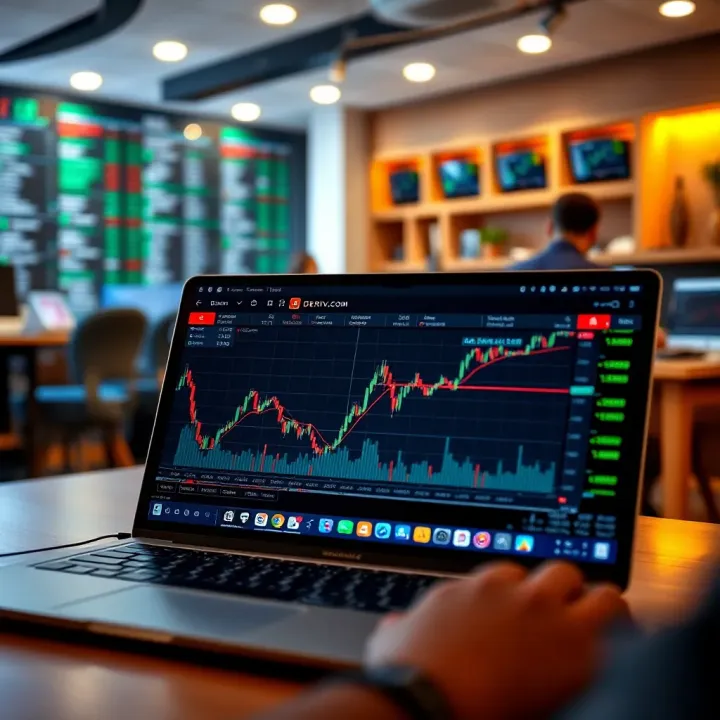
Discover how Kenyan traders can navigate Deriv.com with ease 🌍. Explore its features, account types, trading tools, and smart risk tips 📊.
Explore how Binary.com works for Kenyan traders 🇰🇪. Learn about account setup, trade types, security, payments, and regulations to trade smartly and safely.
Explore Deriv Hub for Kenyan traders 📈: tools, account tips, security, & support all designed to boost your online trading experience!
Based on 8 reviews