
How to Use app.deriv for Trading in Kenya
Discover how to trade smartly on app.deriv 🇰🇪 with our guide covering setup, tools, security & tips tailored for Kenyan traders. Start confident trading today! 📈
Edited By
Amelia Spencer
Trading apps have transformed how many Kenyans invest, moving the market from physical exchanges and brokers’ offices to mobile devices most people carry daily. With platforms offering access to local stocks listed on the Nairobi Securities Exchange (NSE), as well as forex and commodities, it’s easier than ever to join the world of trading. But the convenience also carries risks, especially if you pick an app without understanding key features, fees, or local rules.
Not every trading app suits every type of investor. Some apps target beginners with straightforward interfaces and educational resources. Others aim at experienced traders seeking advanced charting tools and fast execution. Exploring what matters most to your trading style will help you avoid pitfalls while making the most of your investments.

Choosing the wrong app can cost you more than money — it can slow down your learning curve and expose you to unnecessary risks.
Here are some practical points Kenyan investors should consider before picking a trading app:
Regulation and Security: Confirm the app is licensed by the Capital Markets Authority (CMA) of Kenya. Regulatory oversight means your funds and data have some protection against fraud.
Trading Instruments Offered: Not all apps provide access to NSE equities, forex, or commodities uniformly. Choose one covering the markets you want to trade.
User Experience: Look for an intuitive interface that fits your skill level to avoid costly mistakes.
Costs and Fees: Check commissions, spreads, withdrawal fees, or inactivity charges. These can eat into your profits over time.
Payment Options: Since M-Pesa dominates Kenyan payments, apps that support M-Pesa for deposits and withdrawals add convenience.
Understanding these basics before downloading an app sets you on firmer ground. Later sections will detail what specific features to prioritise, how to manage risks, and the legal landscape affecting online trading in Kenya.
Starting with the right platform means you spend less time grappling with technical glitches and more time focusing on growing your portfolio wisely.
To make the most of trading apps, Kenyan investors must first understand what these platforms provide. Trading apps have transformed investing by allowing users to handle trades right from their mobile devices, bypassing the need for desktop terminals or brokers. This accessibility means you can react quickly to market changes, with tools and data available at your fingertips.
Real-time market quotes and charts are fundamental to any trading app. These provide immediate updates on prices for stocks, forex pairs, commodities, or cryptocurrencies. For example, a trader keeping an eye on Safaricom shares can see price dips or surges as they happen, enabling prompt decisions rather than waiting for end-of-day prices. Charts further help by visualising price movements and trends over various timeframes, allowing users to spot patterns or entry points.
Order placement and trade execution refer to the app's ability to let you buy or sell assets directly and swiftly. When you spot a buying opportunity in NSE-listed companies like Equity Bank, you don’t have to call a broker or visit an office; the app executes the order immediately. This fast execution reduces slippage—the difference between expected and actual trade price—which can impact your returns, especially in volatile markets like forex.
Portfolio tracking and management helps you monitor all your investments in one place. Most apps show your portfolio value, individual asset performance, realised and unrealised gains or losses. This overview simplifies decisions on whether to hold, buy more, or sell. Consider a trader managing shares in BAT Kenya and forex positions simultaneously; a good app updates both continuously, so you never lose track.
Stocks and shares trading lets investors buy partial ownership in companies listed on exchanges like the Nairobi Securities Exchange (NSE). Through apps, Kenyans can invest in leading firms such as KCB Group or Nation Media Group. This retail access has broadened participation beyond traditional investors, making savings work for you through dividends and capital growth.
Forex and currency pairs involve trading one currency against another—for example, USD/KES. Kenya imports and exports heavily within East Africa and the world, so many traders watch forex pairs for profit or hedging. Mobile apps offer live forex rates, often with leverage options, but require caution given the higher risk compared to stocks.
Commodities and indices trading involves assets like gold, oil, or market indices like the NSE 20 or Dow Jones. For Kenyans interested in diversifying beyond stocks, trading commodities on apps provides exposure to global markets. For instance, a price rise in gold prices may encourage buying on the app, even without owning physical gold.
Cryptocurrency trading has gained traction in Kenya, with many platforms supporting Bitcoin, Ethereum, and others. These digital currencies offer a different form of speculative investment and payment method. Apps let you buy, sell, and store cryptos securely, though investors must keep in mind the higher volatility and regulatory uncertainties in Kenya.
To select the right trading app, you need to understand these features and trading types clearly, ensuring your choice matches your investment goals and risk tolerance.
This understanding forms the foundation for confident investing through mobile platforms, particularly in Kenya's dynamic markets. It keeps your decisions informed, timely, and aligned with your financial objectives.
When choosing a trading app, Kenyans need to focus on features that match local needs and trading habits. Not all apps serve the Kenyan market well, so looking for key aspects like ease of use, market access, security, and payment integration helps you trade smoothly without surprises.
A simple and clear app interface matters a lot for everyday trading. Kenyan traders often juggle busy schedules or trade on the go, meaning an app that loads fast and is easy to navigate saves time. For example, an uncluttered dashboard with obvious buttons for buying, selling, and checking portfolio balances can be a lifesaver. If your app is too complicated, you risk missing good opportunities or making errors during trades.
Good trading apps offer exposure beyond Nairobi Securities Exchange (NSE) alone. Kenyan traders increasingly want to tap into regional East African stocks, cryptocurrencies, and global markets like the New York Stock Exchange or London Stock Exchange. Having multi-market access in one app means you can diversify without signing up on several platforms. For example, apps like Eversend or TD Ameritrade allow users to explore stocks, forex, and commodities across markets while still supporting local deposits.
Two-factor authentication (2FA) adds a vital security layer by requiring a second form of verification beyond just a password. It might be a one-time PIN sent to your phone or a biometric scan. For Kenyan traders especially, this prevents unauthorised access even if your password leaks through phishing scams or data breaches common in digital services.
Encryption standards protect the data you send and receive through the app. Trading data involves sensitive financial information, so apps must encrypt this traffic end-to-end to keep hackers at bay. Encryption reassures users that their account details and transaction histories can’t be sniffed by malicious actors, a must when using public wi-fi or shared devices.
Regulatory compliance is another key check. Trading apps operating in Kenya should follow guidelines set by the Capital Markets Authority (CMA) to ensure fair practice and protect investors. Compliance means the platform undergoes audits, keeps proper records, and is accountable — so you’re less likely to fall prey to scams or shady operations. For instance, registered brokers display their CMA licence numbers prominently.
M-Pesa support remains critical since many Kenyans rely on mobile money for daily transactions. Trading apps that accept M-Pesa make it easy to top up your account or withdraw funds without banking hassles. Imagine funding your stock purchase while on a boda boda ride home — such convenience can enhance trading frequency and timeliness.
Lipa Na M-Pesa options simplify payments further by allowing direct paybill or till number transfers to the trading account. This reduces errors from manual entry and speeds up deposits. Plus, for traders who prefer digital receipts, M-Pesa confirms transactions instantly, building trust and transparency.
Bank transfers and card payments complement mobile money for those who prefer traditional routes or larger transfer limits. Most reputable apps integrate with Equity Bank, KCB, and Co-operative Bank for instant electronic funds transfer (EFT) and debit/credit card payments. Having these multiple channels reduces dependency on one payment method, important if you face network downtimes or account limits.
Choosing a trading app with user-friendly design, wide market access, solid security, and seamless payment integration best prepares Kenyan traders to operate confidently and without avoidable friction.
Understanding the costs linked to trading apps is essential for every investor in Kenya. These fees directly affect your net returns and can sometimes be the difference between profit and loss. Being clear on what you will pay at every step helps you choose an app that fits your trading style and budget.
Commission charges and spreads are the most common fees you'll encounter when trading on mobile apps. Commissions are fixed or variable amounts paid to the broker for every trade you make. For example, a trading app might charge KSh 100 per stock trade or a small percentage of the transaction value. Spreads are the difference between buying and selling prices of assets and represent an indirect cost.
For instance, if you buy a share at KSh 100 and the immediate selling price is KSh 99.50, the 50-cent difference is the spread cost. Forex trading apps often have narrow spreads, but check for hidden markups. Kenyan investors should compare these costs across platforms like EGM Securities or Nairobi Securities Exchange (NSE) brokers to avoid eating into returns.
Not all apps are equal when it comes to adding or removing funds. Some trading platforms charge fees for deposits or withdrawals, especially when using bank transfers or card payments. M-Pesa deposits are usually cheaper or free, making them popular among Kenyan traders. For example, an app might waive deposit fees for M-Pesa but charge a 1% fee for bank transfers.
Withdrawal fees can also vary widely. An app might deduct a flat fee of KSh 150 for every withdrawal or impose minimum withdrawal limits that could delay access to your money. It’s wise to read app terms carefully to avoid surprises, especially when timing your withdrawals for urgent needs.
Some platforms quietly apply charges that aren’t obvious upfront. These might include inactivity fees if you don’t trade or log in for a certain period, often monthly or quarterly. For example, a trading app might deduct KSh 200 per month after 90 days of inactivity, slowly eroding your balance.
Other hidden charges could be currency conversion fees, where buying international stocks involves currency exchange costs that reduce your effective investment. Ask the app provider about these before committing.
Always factor in all possible costs—not just trading fees—when selecting an app. Transparent pricing saves you headaches later and helps build realistic expectations for your investment profits.
In summary, Kenyan investors should carefully weigh commission rates, deposit/withdrawal costs, and any hidden fees before settling on a trading app. This attention to detail will help you keep more of your earnings and avoid unexpected costs that drag down your investment performance.
Trading through a mobile app in Kenya offers convenience and accessibility, especially for investors balancing busy schedules or located outside major towns. With widespread smartphone usage and robust mobile money platforms like M-Pesa, many Kenyans can start investing right from their phones without visiting physical branches. However, beginning your trading journey involves key steps such as setting up your account correctly, funding it through familiar payment methods, and placing your initial trades wisely.
Most trading apps require you to upload official documents to verify your identity, a process known as Know Your Customer (KYC). You'll typically need a valid national ID card or passport, and sometimes proof of residence such as a utility bill or bank statement dated within the last three months. This helps protect you from fraud and ensures compliance with regulations by the Capital Markets Authority (CMA). For example, if you choose an app like EABL's Stockbroker platform or any other regulatory-approved app, they will ask for these documents upfront.
The Kenya Revenue Authority (KRA) Personal Identification Number (PIN) is essential to link to your trading account. This connection enables proper taxation of any gains you make and facilitates official reporting. During account setup, you'll input your KRA PIN, which the platform verifies through KRA’s systems. Make sure your PIN details are active and up to date on the KRA portal to avoid delays.
Some trading platforms integrate with the eCitizen portal to streamline verification and tax compliance. Your eCitizen account holds your personal details and government-issued documents, which the app can access with your consent. This reduces paperwork and speeds up account opening. If you don’t already have an eCitizen account, it is simple to create one and link your KRA PIN there before starting to trade.
M-Pesa remains the most popular and convenient way to fund trading accounts in Kenya. Many apps support Lipa Na M-Pesa, allowing instant deposits from your phone without visiting a bank. For instance, you can send money using the paybill or till number provided by the trading app, with limits usually starting from as low as KSh 100.
Besides M-Pesa, some platforms accept deposits via direct bank transfers or debit/credit cards. This option suits those who prefer not to use mobile money or need to deposit larger amounts. However, bank transfers may take longer to reflect, and card payments may incur additional fees, so check the app’s terms carefully.
Every app has minimum and maximum deposit limits. While many Kenyan apps allow starting with as little as KSh 1,000, larger deposits may be subject to verification or delays. Processing times vary too; M-Pesa deposits often clear instantly, but bank transfers could take up to 24 hours. Understanding these timelines prevents frustration, especially when planning to place time-sensitive trades.
Once your account is funded, start with simple trades—perhaps buying shares in well-established Nairobi Securities Exchange (NSE) companies like Safaricom or Equity Bank. Use the app’s watchlist and portfolio tracking features to monitor how your investments perform daily. Regularly check price movements and news updates directly on the app, adjusting your trades as needed.
Starting cautiously and learning how to navigate your chosen platform builds confidence and helps manage risks effectively.
Getting hands-on experience with placing and monitoring trades is the best way to familiarise yourself with mobile trading. Remember to set alerts for price changes or news, so you don’t miss critical moments.
Your journey to investing with a mobile trading app starts with proper setup and smooth funding. Taking time to understand the deposit process and monitoring your initial trades will set a strong foundation for growing your investment portfolio effectively.
Trading apps bring investing closer to many Kenyans, but understanding the risks involved is key to staying safe and making informed decisions. Ignoring these considerations can lead to significant financial loss or fraud. This section sheds light on the main risks related to market behaviour, fraudulent platforms, and technical hurdles with practical examples for Kenyan investors.
Market volatility means prices can swing wildly within short periods, affecting your investments’ value. For example, a Kenyan investor might see the NSE 20 share index fluctuate due to political announcements or global commodity price changes. Such shifts can lead to quick gains but also rapid losses. It’s worth noting that leveraged trading, common in forex or commodities, magnifies both profits and risks. New traders should be cautious about overcommitting capital or chasing quick wins without a clear strategy. Keeping an eye on global news affecting markets, like unexpected economic policy changes, can help manage these risks.
The rise of trading apps has attracted scams posing as legitimate brokers. Some apps claim to offer extraordinary returns or ask for deposits without proper registration from the Capital Markets Authority (CMA) in Kenya. Investing through unregulated platforms risks losing your entire deposit, and victims often find little recourse. For instance, a trader might come across apps promising insider tips on KPLC shares but end up with frozen funds and no support. Always verify that the app is authorised by CMA and read reviews from trusted sources before committing funds. Remember, if an offer sounds too good to be true, it probably is.
Trading demands timely actions, but technical problems can disrupt you at critical moments. Poor internet connectivity, common in rural areas or during peak hours in Nairobi, might cause delays in order placements. Additionally, bugs or crashes in the app can result in missed trades or wrong orders. For example, a user relying solely on a mobile app during a market rally might miss out due to a sudden app freeze. To mitigate this, ensure your device and app are updated regularly, use reliable internet (like a strong 4G or fibre connection), and consider having a backup, such as a desktop platform or a second device.
Being aware of these risks helps you trade more wisely by taking precautions such as setting stop-loss orders, verifying platform legitimacy, and preparing for technical setbacks.
By understanding these specific risks, Kenyan traders can protect their investments and build confidence while using trading apps.
Understanding regulation and legal compliance is key when trading through apps in Kenya. It helps protect your investments and ensures you operate within the law. Without this knowledge, you risk falling victim to scams, penalties, or losing money due to unregulated platforms.
The Capital Markets Authority (CMA) is the main regulator for securities trading in Kenya. It oversees licensed brokers, trading platforms, and investment schemes to protect investors. When selecting a trading app, verify that it is authorised by CMA. For instance, apps like Safaricom’s M-Akiba are fully regulated. CMA regularly publishes lists of licensed entities and issues alerts on dubious platforms. Using a CMA-regulated app also means you have a formal complaint channel if things go wrong.
Trading on unregulated platforms is risky; they might have poor security or fraudulent practices. Stick to apps approved by the CMA to minimise such risks.
Any profit you make from trading stocks, forex, or cryptocurrencies in Kenya is taxable under the Income Tax Act. You must declare these gains to the Kenya Revenue Authority (KRA) in your annual returns. For example, if you make KSh 100,000 profit selling shares through a trading app, you should report this as part of your income. KRA may require you to keep detailed transaction records from your app to verify gains and losses.
Traders often overlook this and may face penalties later. Using apps that provide clear transaction summaries can simplify tax filing. You can also seek advice from tax professionals familiar with digital trading.
Kenya’s regulatory framework includes safeguards for traders. Besides CMA oversight, the Consumer Protection Act gives you recourse against fraudulent or unfair practices. Always read the app’s terms and conditions and privacy policy before signing up. Keep all correspondence and transaction receipts.
If you experience issues like unauthorised charges or platform downtime, report promptly to the app’s support and CMA. Joining investor protection groups or forums can help you stay updated on risks and how to avoid them.
Ultimately, knowing your rights helps you trade confidently, avoid common pitfalls, and seek redress when necessary. Never hesitate to demand transparency and proper service from trading app providers in Kenya.
Discover how to trade smartly on app.deriv 🇰🇪 with our guide covering setup, tools, security & tips tailored for Kenyan traders. Start confident trading today! 📈
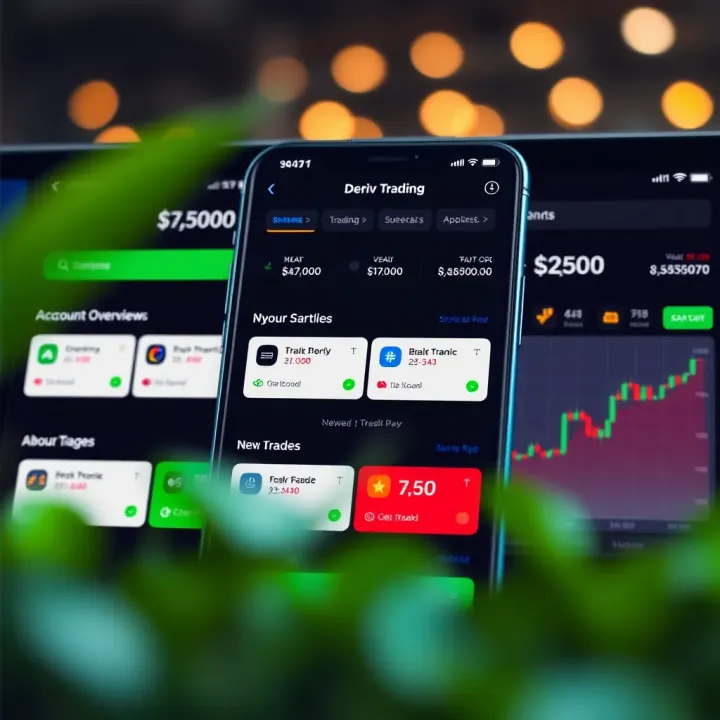
Explore the Deriv trading app's key features, setup steps, security, and trading tips tailored for Kenyan traders 🇰🇪 to trade smartly and safely 💼📈
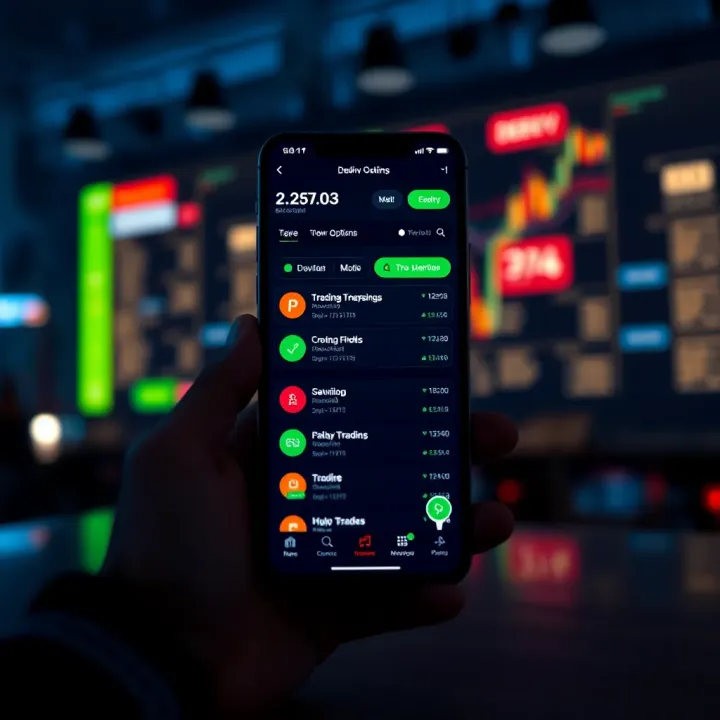
Explore the Deriv app in Kenya 🇰🇪 with this detailed guide on setup, trading options, security, and support to make smart trading decisions 📱💼

Explore app.deriv.com for traders in Kenya 🇰🇪. Learn how to set up accounts, use trading options, manage deposits/withdrawals, and get expert tips 📈
Based on 10 reviews