
How Binary.com Bots Work in Trading
🤖 Discover how Binary.com bots automate trades, their benefits, risks, legal points, and expert tips to trade smartly on Binary.com in Kenya.
Edited By
David Foster
Binary trading bots are becoming a hot topic among traders here in Kenya. They promise to simplify the trading process, almost like having a seasoned broker working nonstop for you. But understanding how these bots operate, what advantages they offer, and the risks involved is key before jumping in headfirst.
In this guide, we'll break down what makes binary trading bots tick, especially within the Kenyan financial context. Whether you’re a seasoned investor or just starting out, grasping these basics will help you make smarter, more confident decisions. Think of it as getting the lowdown without all the confusing jargon.
We’ll cover:
What binary trading bots actually do and how they fit into binary options trading
The perks of using automated systems versus manual trading
Potential pitfalls and risks that aren’t always obvious at first glance
Practical advice and best practices to keep your trading safe and strategic
For anyone looking to explore automated binary options trading in Kenya, this article aims to be a clear, no-nonsense companion. Let’s get started and cut through the noise together.
Understanding what binary trading bots are and how they operate is fundamental for anyone interested in automated binary options trading, especially in Kenya's evolving financial market. These bots act as tools that can execute trades automatically based on pre-set rules, eliminating the need for constant manual input. Grasping this concept helps traders leverage technology to potentially improve efficiency while being aware of the mechanics and limitations inherent in automation.
A binary trading bot is a software program designed to automate the buying and selling of binary options. Unlike manual trading, where a trader decides when to enter or exit a trade, the bot follows a coded strategy to make these decisions instantly. For example, it might automatically open a trade when a stock price hits a certain threshold. The bot’s main characteristic is to remove direct human intervention during the trading process, which can be especially helpful in fast-moving markets where every second counts.
In practical terms, using a bot means you can handle multiple trades simultaneously or monitor various assets without being tied to your computer all day. This can be particularly useful for Kenyan traders monitoring markets across different time zones.
Automated trading bots connect with trading platforms through APIs (Application Programming Interfaces). Once programmed with specific parameters such as asset types, investment amounts, and expiration times, the bot uses real-time market data to identify trade opportunities. When conditions meet the bot’s algorithm, it sends trade orders instantly.
For instance, if the bot is set to trade currencies, and the Australian dollar shows certain patterns against the US dollar, the bot will execute a trade automatically, without waiting for the trader’s manual input. This speeds up the trade process, often improving chances of capturing favorable market movements.
Most binary trading bots rely on trade signal algorithms — sets of rules or patterns coded to detect trading opportunities. These might use indicators like moving averages, RSI (Relative Strength Index), or even more complex statistical signals. The idea is to generate a buy or sell signal when specific market conditions are met.
For example, a bot could be programmed to buy when the RSI falls below 30 (indicating oversold conditions), assuming the asset price will bounce back. This removes guesswork and emotional decision-making, though the accuracy depends heavily on the quality of the algorithm used.
A key strength of binary trading bots is the ability to tailor trading parameters according to individual preferences and risk tolerance. Traders can usually set:
Trade amount per trade
Expiry times for options
Assets to trade (currencies, stocks, commodities)
Risk levels and stop losses
Consider a Kenyan trader using a bot on IQ Option who prefers short expiry trades during volatile hours. They might set the bot to trade only between 9 am and 12 pm local time, with small trade amounts to limit losses.
Binary trading bots aren’t one-size-fits-all; they typically support integration with different commonly used trading platforms like IQ Option, ExpertOption, or Binomo. This connectivity ensures that the bot can execute trades directly through the user’s account without manual intervention.
This integration is crucial, as it allows a seamless flow from signal generation to trade execution. Traders in Kenya need to check if their preferred bot supports their chosen platform to avoid compatibility issues and delays.
Understanding these basics gives traders confidence in choosing and using binary trading bots wisely, helping them to make automated trading a useful part of their strategy without falling into common pitfalls.
Binary trading bots have become popular tools for traders, especially in places like Kenya where digital trading is on the rise. They offer some clear perks that can make trading smoother and more efficient. While they're not magic solutions, their benefits do address common frustrations traders face daily.
One of the standout advantages of binary trading bots is how quickly they operate. Unlike human traders, bots don’t blink or hesitate—they analyze market data instantly and make trades almost immediately. Imagine spotting that perfect moment to buy or sell, but by the time you push the button, the opportunity is gone. Bots wipe out that lag, allowing trades to be executed in milliseconds, keeping pace with fast-moving markets.
This speed is especially useful during high-volatility periods when prices can swing rapidly. For instance, during economic news releases, bots react instantly to price movements, ensuring you don't miss out on short-lived chances. It’s like having a super attentive assistant who never sleeps and never misses a beat.
Humans tend to let emotions affect trading decisions—greed kicks in after a winning streak, or fear can cause a panic sell. Bots don’t carry emotions; they simply follow the algorithm set by the user. That means decisions based purely on the data and programmed strategy, rather than gut feelings or stress.
This emotional neutrality helps maintain consistency in trading strategies. For example, if a trader has a particular risk tolerance or a defined entry and exit plan, the bot sticks to it, even when market swings might tempt a person otherwise. This can prevent costly mistakes and keep your trading actions disciplined.
Binary trading isn’t always straightforward, especially with strategies involving indicators or technical analysis. Bots help break down these complex ideas into simpler automated actions. You don’t need to master every chart or indicator; instead, the bot handles that in the background.
For example, if you’re interested in a moving average crossover strategy but find it overwhelming to track manually, a bot can run the logic continuously and execute trades without you lifting a finger. This can lower the entry barrier, making binary trading more approachable even for those just starting out.
Financial markets, particularly those dealing with global assets, rarely close completely. If you trade manually, it’s impossible to watch the market 24/7—not to mention exhausting.
Bots offer the advantage of ongoing market coverage. Whether it’s early morning in Nairobi or late at night, your bot continues to monitor and act free from sleep breaks. This means you don’t miss trading opportunities outside your usual hours.
In binary trading, catching a break while the market doesn’t pause can be a big advantage. Bots let you stay in the game without being glued to your screen.
By providing speed, emotional neutrality, and accessibility, binary trading bots serve as a valuable aid. However, it’s key to remember they perform best when paired with solid knowledge and careful oversight from the trader.
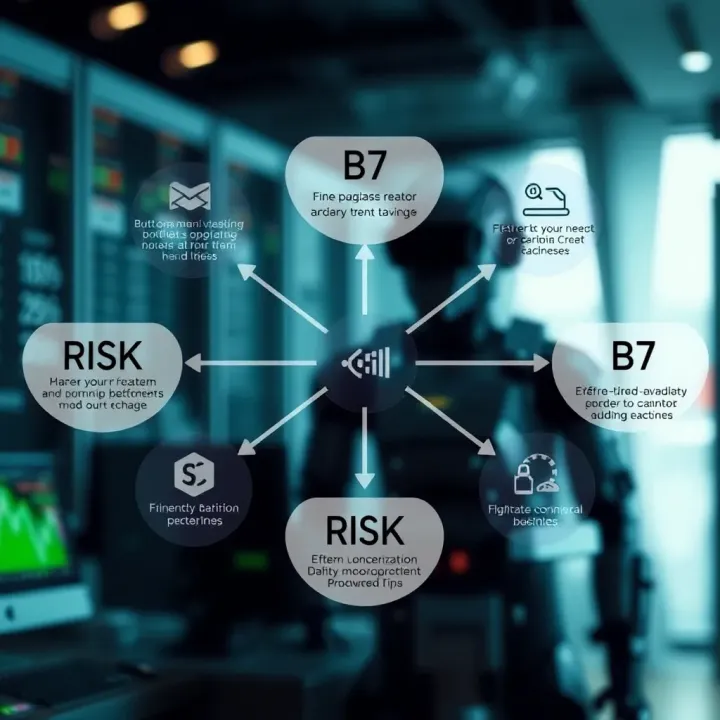
When it comes to binary trading bots, knowing their risks and limitations isn't just a formality; it’s essential to avoid costly mistakes. Despite their flashy promises and efficiency, these automated tools aren't foolproof. A trader in Nairobi who relies heavily on a bot without understanding its drawbacks can end up blowing their account, especially when markets turn sideways or suddenly shift.
Recognizing these risks gives you an edge—helping you prepare for times when the bot’s performance may falter and avoid falling into traps set by unscrupulous vendors. So, let's break down the major risks into two clear categories: the challenge of market volatility and unpredictability, and the dark side of fraud and scams lurking in this space.
Binary trading bots operate based on algorithms fed by historical data and predefined rules. But the market isn’t always like a well-tuned machine. Sudden events—like political upheavals, unexpected economic reports, or even a pandemic announcement—can shake markets in ways no algorithm can foresee. For example, during the 2020 COVID-19 outbreak, many bots failed to adjust quickly enough to the fast-changing market conditions, causing unexpected losses.
In practical terms, this means you shouldn’t expect your trading bot to have a crystal ball. It cannot foresee black swan events that can blow up your strategy. Instead, it's wise to maintain manual oversight, pausing bot trading when major unexpected events hit the news.
Market volatility can cause rapid price swings, often more extreme than what a bot’s programming anticipated. Many bots struggle when the market moves too fast or erratically, triggering a chain of wrong trades. For example, in highly volatile conditions, a bot may repeatedly open and close positions at a loss because it can't handle the sudden price peaks and dips.
Because of this, your trading bot’s performance might dip considerably during such times. To manage this risk, some traders set strict stop-loss limits or reduce trade sizes when volatility spikes. Others switch off automated trading temporarily and trade manually until markets settle down.
Not all binary trading bots are created equal. Some are outright scams designed to lure in inexperienced traders with flashy interfaces and grandiose claims. Red flags include overly complex signup processes, lack of transparent information on who runs the bot, and pressure tactics saying you must deposit quickly to “lock in” the offer.
Check reviews on trading forums, ask for feedback from other Kenyan traders, and ensure the bot provider has a credible track record. Always steer clear of bots that don’t allow for demo testing or lack proper customer service contacts.
If a bot claims guaranteed high profits every single day, it’s probably too good to be true. No automated system, no matter how sophisticated, can guarantee profits without risk. Promises of 90% or higher daily gains without loss often signal a scam or misleading marketing.
Remember, binary trading involves risk; no system can completely eliminate it. Demand honesty from any bot provider you consider and never invest more than you can afford to lose.
By staying skeptical of grand claims and learning to spot shady bots, you protect your hard-earned money from getting swindled. Combine this cautious approach with an awareness of the limits that market volatility places on automated tools, and you're much better positioned to trade safely using binary trading bots.
Picking a binary trading bot isn’t just about grabbing the flashiest option on the market. It’s about making a choice that fits your trading goals, risk tolerance, and technical comfort level. Getting this right can be the difference between consistent returns and chasing losses.
For example, some bots prioritize speedy execution while others offer more nuanced control over trading strategies. Selecting a bot that aligns with your approach means you're not forcing yourself into a tool that doesn't suit your style.
Before trusting any binary trading bot, it’s worth digging into what real users are saying. User reviews often reveal how well the bot performs in live market conditions rather than just theory. Look for feedback regarding stability, accuracy, and customer support responsiveness.
A bot might promise fast gains, but if users complain about frequent crashes or poor trade execution, it’s a red flag. Sites like Trustpilot or community forums specific to binary trading can give you a clearer picture of a bot’s reputation.
Since trading bots need access to your trading accounts and personal data, security is serious business here. Check if the bot uses strong encryption to protect your information and whether it complies with data protection laws relevant in Kenya, like the Data Protection Act 2019.
For instance, a bot employing two-factor authentication and secure API connections reduces the risk of unauthorized access. Avoid bots that are vague about their security practices — your financial data deserves better.
No two traders are exactly the same, so a bot with flexibility can be a real asset. Customization could mean adjusting risk levels, setting specific trade windows, or selecting which assets to trade.
For example, if you prefer conservative trading, you might want a bot that lets you limit trade amounts and avoid volatile assets. Conversely, a more aggressive trader would benefit from a bot that supports rapid-fire trades with dynamic risk settings.
Your trading bot should play nicely with the platforms you’re already comfortable with. Whether it’s Pocket Option, Binomo, or Olymp Trade, ensure the bot supports the platform’s API or integrates smoothly without glitches.
Choosing a bot that fits your trading environment means fewer headaches with technical setups and more time focusing on strategy execution. Some bots also offer mobile-friendly versions, which can be handy if you like monitoring trades on the go.
Choosing the right binary trading bot takes careful thought. By prioritizing reliability, security, and feature compatibility, you set yourself up for a trading experience that suits your needs and safeguards your investments.
Setting up a binary trading bot carefully is not just about plugging in some numbers and hoping for the best. It’s about tailoring the bot’s behavior to suit your own risk appetite and trading goals — which in Kenya’s often volatile market can mean the difference between steady returns and sudden losses. Using these bots safely ensures that you don’t fall victim to overly aggressive trading or faulty algorithms that can wipe out your capital faster than you can say “market crash.” When properly configured and monitored, bots can be useful tools, but neglecting the setup can turn a helpful assistant into a costly nuisance.
One of the first steps when setting up a binary trading bot is deciding just how much you're willing to risk on each trade. Think of it like setting a speed limit on a car—you want to go fast enough to get the job done, but not so fast that you lose control. Most bots let you specify risk parameters such as the maximum amount to invest per trade and the number of trades per day. For example, if you choose to risk 2% of your trading capital per trade, the bot will automatically limit stakes according to this threshold.
By setting trade limits, you avoid the temptation (or the bot's flawed logic) to chase losses by overbetting. This is especially relevant in binary options trading, where the all-or-nothing nature can quickly drain your account if trades run against you. Kenyan traders should adjust these limits regularly depending on how the market is moving—more volatile times might call for tighter risk controls.
Before letting your bot loose with real money, it’s wise to test it out on demo accounts offered by platforms like IQ Option or Olymp Trade, both popular in Kenya. Demo accounts mimic live market conditions but use virtual cash, so there’s zero risk while you get a feel for how the bot operates.
During this period, watch how the bot responds to shifting market trends and whether it sticks within the configured risk settings. It’s like taking a test drive not just for the software, but for your own peace of mind. If the bot consistently makes trades that don’t align with your rules or if the performance fluctuates wildly, adjustments are in order before going live.
Once your binary trading bot is active, don’t just set it and forget it. Regularly reviewing its performance is crucial for long-term success. A good practice is to evaluate the bot weekly or biweekly, keeping tabs on metrics such as win/loss ratio, average return per trade, and any anomalies in the trade pattern.
For instance, if you notice the bot frequently losing trades during certain times of the day or with particular assets, it could hint at a need to tweak your strategy or risk parameters. Kenyan markets can behave differently than global ones due to local economic news or events, so these reviews help keep your bot in sync with current conditions.
Trading isn’t static, and neither should be the bot’s approach. After performance reviews, adjusting the bot’s strategy fosters continual improvement. Maybe the bot’s default settings worked well during a calm market but struggle during volatility. You can modify parameters like trade duration, asset types, or signal thresholds to better fit the current climate.
An example: If your bot detected high success rates on currency pairs like USD/KES but poor outcomes on commodities, you might shift focus to currencies and recalibrate trade durations. Over time, this kind of adaptation increases the bot’s edge and helps manage losses.
Remember, your bot’s performance reflects your input: it responds to your settings and market realities, so hands-on attention is key to success.
Through cautious setup, ongoing testing, frequent reviews, and swift adaptations, you handle automated trading responsibly. This approach can protect you against common pitfalls and strengthen your chances of trading binary options profitably in Kenya’s market.
Understanding the legal and regulatory framework for binary trading is essential for anyone involved in automated trading in Kenya. This knowledge helps traders avoid legal pitfalls, protects them from scams, and guides them to use compliant platforms. Given the fast pace and high risks associated with binary options, knowing the rules in your territory can save a lot of headaches down the line.
In Kenya, the Capital Markets Authority (CMA) plays a primary role in overseeing financial markets, including trading activities. Although the CMA has not fully licensed all binary options platforms, they continuously monitor and issue warnings about fraudulent schemes. The stricter the oversight, the safer the environment for traders. Knowing which bodies govern trading means you can verify if a platform is legitimate before jumping in.
For example, platforms registered with the CMA must adhere to anti-money laundering laws, maintain client funds separately, and provide transparent transaction records. If a trading bot offers integration with a platform unregulated in Kenya, that should raise a red flag.
Kenyan laws require any financial service provider to obtain a license before operating within the country. In the context of binary options, this means platforms offering these services must meet disclosure standards and prove that their trading algorithms are fair and unbiased. Operating without a license can mean hefty penalties and criminal charges.
Additionally, there are compliance mandates concerning data protection under Kenya’s Data Protection Act, ensuring users' personal and financial information is handled securely. Ignoring these rules could leave traders vulnerable to data breaches or fraud.
Using a platform authorized by Kenyan regulatory bodies isn’t just about legality—it’s about safety and trust. Licensed platforms undergo rigorous checks and are required to report suspicious activities. This ensures that automated trading bots operating on such platforms are less likely to malfunction or prey on users through misleading tactics.
For instance, if you use a well-known licensed broker like Olymp Trade Kenya or IQ Option, you have recourse if things go sideways. This built-in protection isn’t guaranteed with every provider, especially with unregulated ones.
Always confirm the regulatory status of your trading platform before depositing funds or connecting your bot.
Bots connected to unregulated platforms come with big risks. Since these bots can execute trades at lightning speed and often have direct access to your trading account, they can drain funds without due oversight.
Unregulated bots might also promise unrealistic profits or suffer from poorly coded algorithms which don’t react well to real market volatility. In Kenya, traders have reported losing their entire deposits after using bots linked to unknown operators.
Avoiding such tools means vetting the bot’s developer background, reading user reviews critically, and sticking to bots associated with licensed brokers or trading companies.
By keeping these legal and regulatory points in mind, traders in Kenya can navigate the maze of binary trading bots more safely, protecting their investment and increasing their chances of long-term success.
Automated trading isn’t just about binary options bots. There are various tools and strategies that traders can explore depending on their objectives, risk tolerance, and technical know-how. Understanding these alternatives can expand a trader’s toolkit, especially in Kenya where access to diverse financial products is growing.
These alternatives offer different tools and techniques, sometimes better suited for market conditions or individual trading styles. They often help traders manage risk more effectively or tap into markets that binary options bots might not cover fully. Let's take a closer look.
Automated trading tools, like binary trading bots, excel in speed and removing emotional decisions from trades. They can react instantly to market changes, something human traders can't always match, especially during volatile periods. However, manual trading benefits from human intuition and the ability to interpret broader market news or geopolitical events that a bot might miss.
One downside to automation is that bots work strictly within their programming; if the market behaves unexpectedly, they might keep making losing trades. For instance, a bot set to keep trading during a market crash could drain a trader’s account fast. Conversely, manual traders can pause or alter strategies in real time, though they’re prone to biases or anxiety.
In practice, a trader in Nairobi might find manual trading more rewarding with certain local market nuances but could also leverage bots to handle routine trades or operate during hours they're not available. A blend of both approaches often works best, such as manually setting strategies while using automation for execution.
Algorithmic trading goes beyond binary options, involving complex models to trade stocks, forex, commodities, and cryptocurrencies. These algorithms analyze vast data sets and execute orders based on patterns their creators define. For example, a forex algorithm might execute a series of buy and sell orders within milliseconds to capitalize on small price differences across currencies.
This method can offer better diversification than binary bots by accessing different asset classes. Traders using platforms like MetaTrader or NinjaTrader can customize their algorithms or use pre-built ones to suit their style. However, building or choosing the right algorithm requires understanding programming and market dynamics closely.
Artificial Intelligence has taken automated trading a step further by learning from data rather than following fixed rules. AI-powered systems can adapt to changing market conditions, improve prediction accuracy, and spot subtle trends humans or traditional algorithms might miss. For example, some hedge funds employ AI strategies to analyze social media sentiment, economic indicators, and price movements to shape trading decisions.
For Kenyan traders, AI integration might mean better-informed trades, but it also introduces risks like overfitting, where an AI model is too tailored to past data and fails in new scenarios. Using AI tools demands cautious testing and ongoing oversight to avoid costly mistakes.
Using alternative automated strategies can enhance trading flexibility and results, but none offer a "set and forget" solution. Regular monitoring and strategy updates remain essential.
In sum, exploring these varied automated tools helps traders pick options matching their goals and stay nimble across different market conditions. Whether it’s mixing manual skills with binary bots, diving into complex algorithms, or carefully applying AI, the key is striking a balance that mitigates risks while maximizing opportunities.
🤖 Discover how Binary.com bots automate trades, their benefits, risks, legal points, and expert tips to trade smartly on Binary.com in Kenya.
Explore Deriv.com 🌍, a versatile trading platform with stock indices, forex, crypto & more. Learn features, account types, regulations & tips for Kenya traders.

Explore how binary bots work in binary options trading 🤖. Learn benefits, risks & tips to trade safely in Kenya 🇰🇪 with automated tools.

📈 Discover how binary options trading works in Kenya, including key strategies, risks, regulations, and tips for smarter financial decisions.
Based on 11 reviews