

Understanding Cryptocurrency Trading Platforms in Kenya
Explore key insights into cryptocurrency trading platforms in Kenya 📈. Learn to choose secure, cost-effective platforms & smart strategies confidently.
Edited By
James Turner
Trading in Kenya has grown at a remarkable pace, with more people jumping into the market seeking to grow their wealth. But with numerous trading platforms available, picking the right one can feel like wandering through a maze without a map. This guide aims to clear the fog and make the process straightforward.
We'll explore the key factors that Kenyan traders, whether beginners or seasoned pros, need to keep in mind. From the fees platforms charge to how secure they really are, and even how well they handle local versus international markets, no stone will be left unturned.
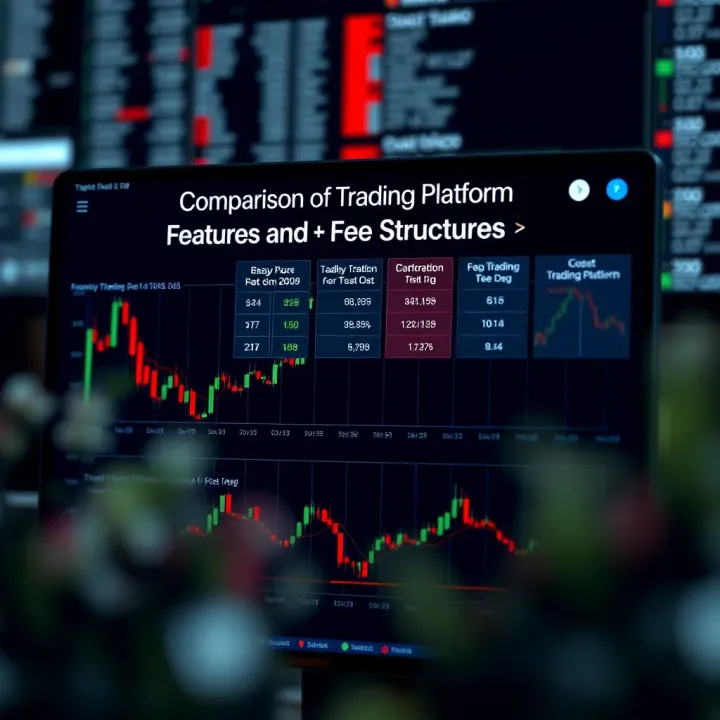
Choosing the right trading platform isn't just about shiny interfaces or flashy ads—it's about reliability, cost-effectiveness, and ease of use that matches your trading style.
You'll see practical examples, realistic comparisons, and actionable advice designed to empower you to make an informed choice that fits your unique needs and goals.
Getting a good grip on the types of trading platforms available in Kenya is essential before diving into the investment world. Not all platforms fit every trader’s style or needs, so understanding what’s on offer helps tailor your choice specifically to your trading habits and goals.
For example, some platforms focus purely on local assets, while others offer a window into foreign stocks or commodities markets. Traders looking for simplicity might prefer platforms with clean interfaces, whereas seasoned investors could need advanced tools and features. Kenyan investors often juggle between multiple considerations like fees, accessibility, and the range of markets covered, so a clear overview sets a strong foundation.
Brokerage proprietary platforms are developed and maintained by individual brokerage firms. They often reflect the specific services, tools, and assets that a broker specializes in. For instance, Africa's 55PC trading platform is designed to cater to Kenyan investors with features tailored for the Nairobi Securities Exchange (NSE).
These platforms typically offer seamless integration with the broker’s accounts, quicker execution speeds, and dedicated customer support. However, they might limit access strictly to what's available through that broker, potentially restricting options. For new traders, these platforms are often user-friendly since the broker knows their target market well and can simplify the experience.
Third-party platforms, such as MetaTrader 4 or TradingView, are independent and not tied to a single broker. These platforms connect traders to multiple brokers or markets and provide advanced charting, analysis tools, and customizable setups.
For Kenyan traders interested in forex or international markets, MetaTrader is a popular choice because of its strong analytical tools and community support. The flexibility to switch brokers without losing your preferred platform setup gives traders a distinct advantage. However, users must ensure the platform supports their broker’s services in Kenya to avoid compatibility issues.
Choosing between mobile and desktop platforms depends largely on your trading style and lifestyle. Desktop platforms generally offer more detailed tools and better screen real estate, making them suitable for in-depth technical analysis.
On the flip side, mobile platforms provide trading on the go, crucial in Kenya where traders may need to act fast due to market moves or limited access to desktop setups. For example, platforms like EABL Trade Rider offer efficient mobile apps suited to casual traders. In contrast, professional Kenyan traders might prefer the depth a desktop client gives, such as the one provided by Chandaria Securities.
The Nairobi Securities Exchange (NSE) is at the heart of many Kenyan traders’ portfolios. Trading platforms focusing on the NSE allow users to buy shares in companies like Safaricom, KCB Group, and Equity Bank with real-time pricing and market data.
Access to the local market is essential for investors wanting to participate directly in Kenya’s economic growth. Platforms such as Nairobi Stock Exchange’s own investor portal or native trading apps like Faida Investment Bank’s provide tools specifically targeting Kenyan equities.
More Kenyan traders are broadening their horizons by investing in international stocks and ETFs to diversify their portfolios. Platforms like Interactive Brokers or Saxo Bank allow Kenyans access to NYSE, NASDAQ, and European exchanges, opening up exposure to companies like Apple or Tesla.
This is practical for managing risk and taking advantage of global economic trends. However, users must consider currency conversion fees and tax implications when trading foreign assets.
The foreign exchange (forex) market and commodities trading attract those looking for high liquidity and round-the-clock markets. Many Kenyan traders use MetaTrader or FXTM to trade currency pairs like USD/KES or commodities such as gold and crude oil.
Liquidity in these markets allows for quick entry and exit, but they also come with volatility risks. Kenyan platforms supporting forex and commodities typically offer leverage, which can amplify gains, but also the potential losses.
Cryptocurrencies are growing in popularity in Kenya, with platforms like BitPesa and Binance facilitating easy access. Traders here can buy and sell bitcoin, ethereum, and other popular digital assets.
While crypto trading is exciting due to its potential returns, it requires a platform that ensures security and complies with evolving Kenyan regulations. Awareness of market volatility is key, so experienced traders often use these platforms to complement traditional investments rather than replace them.
Choosing the right platform depends largely on your preferred market, investment goals, and the type of trading you find comfortable. The overview presented here primes you to make a smarter, more informed decision.
When it comes to picking a trading platform, it’s not just about what looks shiny on the surface. What really matters are the key criteria that can actually influence the quality of your trading experience and the success of your investments. For Kenyan traders, understanding these elements can save time, money, and even headaches down the line.
The right platform should tick several boxes: it needs to be easy to use, charge fees that make sense, keep your info safe, and comply with the local laws. Overlooking any of these can lead to costly mistakes. For instance, a platform with a clunky interface might slow you down when timing your trades, while hidden fees could take a bigger bite out of your profits than expected.
Let’s take a closer look at the crucial factors every trader in Kenya should consider before committing to any platform.
A user-friendly interface can be the difference between a smooth trading day and one filled with frustration. Platforms that have intuitive layouts, clear menus, and straightforward navigation allow traders—especially beginners—to focus on their strategies rather than puzzling over where to click.
Take, for example, the Nairobi Securities Exchange app. Its clean design helps new traders spot market trends quickly, while seasoned investors appreciate the efficient order placement. If you find yourself stuck or constantly hunting for basic features, that platform probably isn’t the right one for you.
In Kenya, smartphones are practically everywhere, which means mobile trading apps are a big deal. A solid mobile app should offer nearly the same functionality as the desktop version but optimized for smaller screens and spotty internet connections.
Consider how platforms like EGM Securities or Chaka enable seamless trading on the go. Features like quick order execution, real-time market updates, and simple deposit options make mobile trading practical for Kenyans who might be commuting or away from their desks. Poor mobile app performance can cause missed opportunities, so always test the app before fully committing.
Kenyan trading platforms often use a mix of fixed and percentage-based fees. For example, you might see a commission of around 0.25% on stock trades, plus a small regulatory levy. Understanding these details is essential because fees eat into your returns, especially if you trade frequently.
Some platforms like Nairobi Securities Exchange members charge minimum fees regardless of trade size, which means small trades could end up costing more proportionally. Knowing the fee breakdown helps you decide if a platform matches your trading volume and style.
Watch your back for fees that don’t jump out at first glance. These could include withdrawal charges, inactivity fees, or currency conversion costs if you’re trading foreign markets.
For instance, some platforms might bill you for monthly maintenance or limit free withdrawals. When trading international stocks with platforms like Interactive Brokers, currency conversion charges can add up if not managed well. Always read the fine print and ask for a clear fee schedule upfront.
Don’t let sneaky fees turn your profitable trade into a loss.
Security isn’t just about protecting your data but also ensuring the platform operates under Kenya’s financial regulations. A legit platform will be licensed by the Capital Markets Authority (CMA), which means it adheres to rules designed to protect investors.
Trading on an unregulated platform puts you at risk of fraud or losing money with little recourse. Platforms like KCB Capital and Co-op Trust Investment Services proudly display their CMA license information for transparency.
Your personal and financial info must be safeguarded against cyber threats. Look for platforms that use encryption protocols (like SSL), two-factor authentication, and regular security audits.
Platforms handling sensitive data, such as EFG Hermes Kenya, incorporate these measures to prevent hacking or data breaches. As cybercrime is on the rise, investing through a secure platform is non-negotiable.
In summary, the key criteria—usability, fees, and security—form the backbone of smart platform choice. Keeping these factors in check will help you trade confidently and focus on what really matters: making smart investments that grow your wealth.
When it comes to picking the right trading platform in Kenya, knowing what's popular among local investors helps you cut through the noise. The choice of platform shapes your trading experience—from ease of execution to access to markets and fees. Kenyan investors have a mix of homegrown and international options each with clear strengths and potential pitfalls. Knowing these allows you to make a choice that aligns with your trading goals and comfort level.
Local trading platforms like Nairobi Securities Exchange (NSE) online trading platforms tend to provide a tailor-made experience for Kenyan traders. They integrate easily with banks like Equity Bank and KCB for quick deposits and withdrawals. Many offer a straightforward dashboard focused on Kenyan stocks and government bonds, perfect for hands-on investors who want to keep close tabs on the local market.

These platforms often provide educational resources covering Kenya’s market nuances, which can be a big help for beginners. Besides, customer support is usually based locally, so response times improve and there's less of a culture shock when you need help.
While local platforms shine with Kenyan market focus, they can be a bit thin on global investment options, restricting investors looking to diversify into foreign stocks or commodities. Advanced trading features like algorithmic tools or custom charting may be limited compared to international platforms. Also, uptime and internet speed issues remain concerns in some regions, which can freeze your trade at the worst time.
Platforms like Interactive Brokers, eToro, and IG Markets have gained ground for offering Kenyan investors a leg up in global markets. If you're aiming to invest beyond the NSE, these platforms open doors to US stocks, European ETFs, Forex, and cryptocurrencies in one spot. This broadened reach is invaluable for diversifying your portfolio or trading niche assets.
The flip side? You deal with currency conversion fees and sometimes complex tax implications depending on your trades, so it's key to understand those details upfront.
Though international, many of these platforms have made strides in catering to Kenyan traders. For example, eToro provides a mobile app that runs smoothly even on average Kenyan internet speeds and accepts local payment channels such as M-Pesa through third-party integrations. This enhances convenience and limits friction when funding your account.
However, some platforms offer limited direct customer service for Kenya and rely heavily on chatbots or international call centers, which might frustrate those who prefer personal touch when problems arise.
Kenyan local platforms often stick to straightforward fee models—usually a flat commission or a fixed percentage per trade. However, it's smart to watch for hidden fees like withdrawal charges or inactivity fees. International platforms are more diverse, some waiving fees for stock trading but charging spreads or overnight fees for Forex and CFD trades.
Never underestimate the impact of fees over time; a platform with seemingly low commissions might end up costing more when you factor in all hidden fees.
User experience ranges widely. Local platforms prioritize simplicity and familiarity, making them great for those who want to dive straight into the Kenyan market. International platforms tend to offer more powerful tools such as customizable charts, real-time news feeds, and advanced order types, but this can mean a steeper learning curve.
Pick your platform considering how much time you want to spend learning to navigate the technology versus trading.
Local platforms mainly emphasize equities, government bonds, and some unit trusts tailored to the Kenyan economy. As you move to international platforms, the range expands significantly—there’s access to diverse asset classes like global stocks, options, futures, Forex pairs, and cryptocurrencies.
For traders seeking exposure to global economic trends or technology stocks absent in Kenya, international platforms are the obvious choice.
Choosing between local and international platforms boils down to your investment needs, comfort with technology, and appetite for diversification. Assess each's features and limitations, keeping in mind the trading fees, market access, and support you expect. This way, you’re not just picking a platform—you’re setting the stage for your trading success in Kenya and beyond.
Getting started with trading in Kenya might seem like a mountain to climb, but breaking down the process makes it clearer. Knowing how to open an account, fund it, and place your first trade is fundamental to take advantage of local and international markets. Familiarity with these steps minimizes confusion and helps build confidence for both newbies and seasoned traders.
Before you can start buying or selling stocks, forex, or other assets, opening an account with a trading platform is a must. This process mandates providing specific documents that confirm your identity and residence.
Typically, you’ll need to submit:
A valid Kenyan National ID or passport
Proof of residence like a utility bill or tenancy agreement not older than 3 months
A recent passport-size photo
These documents help the brokerage verify you’re a real person—which wards off fraud. For example, a local platform like Nairobi Securities Exchange’s online portal demands similar docs during sign-up.
Know Your Customer (KYC) checks go beyond paperwork; they verify your identity and sometimes assess your financial background to prevent money laundering. Most Kenyan platforms integrate KYC digital verification, which can take a few hours to a couple of days.
The KYC process might include submitting documents through an app, a live selfie for biometric confirmation, and verifying your phone number. Completing this smooth process quickly unlocks the door to trading, ensuring your account is legit and secure.
Moving money into the trading account is the next hone step where practical choices come into play.
Kenyan traders have several convenient options to fund their trading accounts:
M-Pesa: The prevalent mobile money transfer method widely accepted by big trading platforms
Bank Transfers: Direct deposits from local banks like Equity Bank or KCB
Credit/Debit Cards: Visa and Mastercard are commonly supported
For example, a trader funding their account on a platform like IG Markets Kenya might use M-Pesa for quick and hassle-free deposits. However, it’s important to check the platform’s preferred methods to avoid delays.
Since many platforms operate in USD or other international currencies, Kenyan shillings often require conversion. Currency conversion means you’ll need to be mindful of:
Exchange rate fluctuations
Conversion fees charged by the platform or payment provider
A smart tip is to fund your account when the current KES/USD rate is favourable or to use platforms that offer real-time rate indicators. This helps preserve your investment capital from leaking away in fees.
With account funded, it’s time to get into the meat of trading: placing orders and managing risks properly.
Basic knowledge of order types reduces costly mistakes:
Market Order: Buy or sell immediately at the current market price
Limit Order: Set a specific price; the trade executes only if the price hits that level
Stop-Loss Order: Automatically sell to limit losses if the price falls to a certain point
For example, placing a limit order on Safaricom shares at 40 KES means you won’t pay more than that even if market prices spike temporarily.
Trading without managing risks is like walking barefoot on hot coals. Every investor should:
Set stop-loss levels to avoid significant losses
Avoid putting all funds on a single trade
Use demo accounts to practice without real money
Kenyan traders should take advantage of demo accounts offered by platforms like FXPesa to get a feel for the market before putting real cash on the line.
Starting right is half the battle won. Clear steps in registration, funding, and trade placement set the tone for profitable and disciplined trading.
Proper preparation also helps handle platform quirks and market unpredictability better, giving you a smoother ride on your trading adventure in Kenya.
Trading in Kenya, like anywhere else, comes with its own set of hurdles. Understanding these challenges upfront helps investors plan better and avoid nasty surprises. Whether you're a newbie or a seasoned trader, recognizing the common pitfalls gives you the upper hand in navigating the market smoothly.
A stable and fast internet connection is like the backbone of online trading. In Kenya, especially outside major cities like Nairobi or Mombasa, internet can be spotty. Imagine you're ready to sell stocks during a sudden market dip but your connection drops—this delay could turn a good trade timely trade into a costly mistake. It’s not just about speed; latency (delays in data transfer) can also affect how fast your orders execute. Traders often notice a “lag” between clicking a buy button and the order taking effect on the platform. This tiny lag can mean the difference between profit or loss, especially in volatile markets like Forex or cryptocurrencies.
To work around this, many Kenyan traders use mobile data as a backup, or invest in more reliable ISPs like Safaricom's Home Fibre when available. Combining a strong connection with a platform known for low latency can protect you from these technical frustrations.
No one likes to hear “the platform is down” during trading hours. Platform downtime is a real headache—it means no access to your account, no trades executed, and no way to react to market changes. For example, during crucial events like elections or major economic announcements, some platforms may experience outages due to heavy traffic or technical glitches.
This downtime affects your ability to manage risks and seize opportunities. It’s wise to pick a platform with a strong reputation for uptime and responsive technical support. Some platforms offer real-time notifications or alternative ways to place orders via phone to help during outages. Kenyan traders should test customer service responsiveness before fully committing, as this support can be a lifesaver when things go south.
Markets can bounce up and down like a wild rollercoaster, and Kenya's markets are no exception. Volatility means prices can swing drastically within short time spans—sometimes triggered by local political events or global commodity price changes like oil.
For traders, this means the potential for big profits but also heavy losses if caught unprepared. For instance, unexpected news about Kenya’s agricultural exports can cause stocks in related companies to jump or plunge, catching traders off guard. Without understanding volatility, traders might panic-sell or hold onto losing positions too long.
Handling volatility smartly means having a plan. Common tactics include:
Stop-loss orders: Automatically sell assets when prices hit a certain level to cap losses.
Diversification: Avoid putting all your money into one stock or sector.
Position sizing: Trade smaller amounts during uncertain times.
Regular market monitoring: Stay updated on both Kenyan and global news.
Experienced Kenyan traders often use demo accounts on platforms like InstaForex or HotForex to practice these strategies risk-free before committing real cash.
Kenyan financial regulations have tightened in recent years to protect investors and ensure market transparency. For example, the Capital Markets Authority (CMA) has introduced stricter rules around client fund segregation and increased reporting standards for brokers. While these might feel like hurdles, they safeguard your investments from unscrupulous practices.
Regulations around cryptocurrencies are still evolving in Kenya, with the Central Bank issuing warnings about risks but no outright ban yet. This uncertainty affects platforms offering crypto trading, so staying informed is critical.
Compliance means following all legal requirements to avoid fines or account restrictions. Kenyan traders should:
Verify that their chosen platform is licensed by the CMA.
Keep up with tax obligations tied to investment profits to avoid surprises come tax season.
Maintain thorough records of their trades and transactions.
Pay attention to changing rules on Know Your Customer (KYC) and Anti-Money Laundering (AML) procedures.
Staying ahead of regulatory shifts isn't just about avoiding trouble. It's about trading confidently and protecting your hard-earned money in a secure, legal environment.
In summary, while the Kenyan trading scene presents obstacles like unreliable internet, rapid market changes, and evolving rules, understanding these challenges arms traders better. Choosing reliable platforms, employing smart risk strategies, and staying in the know on regulations can turn these challenges into manageable matters rather than roadblocks.
Picking a trading platform that truly matches your style can make the trading experience smoother and way more productive. Whether you're new to trading or a seasoned player, the features you prioritize should reflect how you like to trade. Think of it like choosing the right gear for a trip: the right tools make a big difference. Exploring beginner-friendly options versus advanced setups, and customer support quality helps you find a place that fits your routine and goals.
For someone just starting out, having solid educational materials is a lifesaver. Good platforms often include tutorials, webinars, and articles that break down complex topics into manageable bites. For example, some Kenyan platforms like Nairobi Securities Exchange's trading portals provide localised content helping users grasp the basics of the NSE stocks with real market data. This boosts your confidence and understanding so you’re not throwing darts in the dark.
A demo account acts like a sandbox where you can practice trading without risking real money. This feature is crucial for beginners who want to get their feet wet and experiment with different strategies. Platforms such as IG and Saxo Bank offer demo accounts with virtual funds and real-time market scenarios, helping traders learn order types and market dynamics before committing actual capital. This hands-on experience is invaluable in avoiding rookie mistakes.
Actively trading or managing multiple positions demands detailed charting tools that can analyse price movements quickly and accurately. Features like custom indicators, multiple time frames, and drawing tools enable traders to spot entry and exit points efficiently. Platforms like MetaTrader 5 and TradingView are popular among Kenyan professionals for offering sophisticated charting solutions coupled with real-time data, which makes swift decision-making a lot easier.
For the technically inclined trader, algorithmic trading support is a game-changer. It lets you automate trades based on predefined rules, reducing emotion-driven decisions. Brokers like Interactive Brokers support custom scripts and APIs for these automated strategies. While this feature isn’t for everyone, serious traders benefit by running complex strategies 24/7 without manual intervention, increasing efficiency and potential profitability.
When trading, anything from a platform glitch to delayed withdrawal can cause headaches. Quick, reliable customer support is a must-have. For instance, platforms with 24/7 live chat or local support centers offer a clear edge. Juggling trades can’t wait for email replies over days, especially in volatile markets like forex or cryptocurrencies.
Listening to other traders’ experiences can reveal issues or perks you might not spot at first glance. Active forums and user reviews shine a light on real-world platform performance, reliability, and quirks. Kenyan trading forums or groups on sites like Reddit often discuss platforms’ pros and cons—tapping into these communities means you’re not flying blind and can set realistic expectations before choosing.
Choosing the right platform is less about bells and whistles and more about how well it suits your trading habits and needs. Whether you're learning the ropes or running complex trades, the perfect fit can greatly enhance your success and confidence.
Understanding future trends in trading platforms is more than just keeping up with technology—it's about adapting to changes that directly impact how traders in Kenya operate. These trends often redefine user expectations, shape regulatory policies, and even influence the availability of markets and instruments. Keeping an eye on what’s coming helps investors make smarter choices and avoid platforms that might soon be outdated or less competitive.
Smartphones have become nearly as common as the morning cup of chai in Kenya. With affordable models from brands like Tecno, Infinix, and Samsung flooding the market, more Kenyans have instant access to trading platforms right in their pockets. This widespread smartphone use translates to a surge in mobile trading, letting people buy and sell stocks or currencies almost anywhere—from Nairobi matatus to rural coffee farms.
The practical upshot? Trading platforms need to ensure their apps are light, fast, and usable even on middle-range phones with varying internet speeds. Platforms that lag behind on this front risk losing huge chunks of potential users.
Trading on a phone isn’t just about shrinking a desktop website. Kenyan traders want features tailored to mobile use, like swipe trading, push notifications for market alerts, and fingerprint login for security. For example, apps like Eversend and Chipper Cash integrate easy payment methods, making funding trading accounts quicker.
These mobile-specific features mean traders can respond to market changes swiftly, not missing opportunities just because they’re away from their computers. Introducing voice commands or AI-powered chatbots in apps is also gaining traction, helping less tech-savvy users find their way around complex investment options.
Artificial intelligence isn't just a buzzword; it’s quietly revolutionizing how traders get information. Instead of sifting through endless charts and news, AI analyzes data to highlight stocks or forex pairs that align with a trader’s style or past choices. Think of it as having a savvy advisor who never sleeps.
Platforms like Ajua and Moringa AI (Kenyan startups) are already testing these features to help users spot trends earlier. This means traders can make more informed decisions without needing to be market experts.
Automated trading bots are programs that execute trades based on pre-set rules without human intervention. For busy Kenyans juggling multiple jobs, this can be a game-changer. While not yet widespread locally, international platforms like MetaTrader 4 and Thinkorswim offer bots that could be integrated with local platforms.
These bots can react faster than any person, snapping up profits or cutting losses in milliseconds. However, users should understand the risk of over-reliance on bots—markets can be unpredictable, and no program is foolproof.
Kenya’s Capital Markets Authority (CMA) is tightening rules to keep platforms honest and secure. Recent changes include stricter licensing requirements and closer monitoring of financial activities to prevent fraud and money laundering. This pushes platforms to upgrade security tools and often leads to improved transparency for traders.
For instance, platforms operating without CMA approval face shutdowns, so traders should verify licensing before committing funds.
Protecting traders is increasingly in focus. New measures like mandatory disclosure of risks and compensation schemes for losses caused by platform failures are being discussed by regulators. These efforts make trading safer, especially for beginners who might easily be caught out.
Staying informed about regulatory updates isn't just for compliance; it’s a safeguard that directly affects your trading safety and confidence.
In summary, the future of trading platforms in Kenya relies heavily on mobile growth, smart tech integration like AI, and evolving regulations that put trader safety first. Choosing a platform that aligns with these trends can give you a solid leg up in Kenya’s dynamic trading scene.
Explore key insights into cryptocurrency trading platforms in Kenya 📈. Learn to choose secure, cost-effective platforms & smart strategies confidently.

Learn how binary trading platforms work, key features, Kenyan regulations, top tips & risk advice for savvy Kenyan traders ready to trade smart 📈🇰🇪

Explore how cryptocurrency trading works in Kenya 🇰🇪, learn key strategies, risk management tips, platform choices, and stay legally informed for smart trading 💡

Explore smart crypto trading tips for Kenyans 🇰🇪, including market basics, top platforms, strategies, risks, and legal points for confident trades 💹.
Based on 12 reviews